banner-why-daymark.jpg
Daymark IT Insights

Enterprise IT, cloud, security, and AI guidance from Daymark’s technology experts.

From SSIS to Fabric Data Factory: Understanding Microsoft’s Evolving Data Integration Tools

Overview

Organizations modernizing their data ecosystems now manage data flowing from cloud applications, SaaS platforms, on-premises systems, and streaming sources. Traditional ETL tools such as SQL Server Integration Services (SSIS) have long powered enterprise data warehousing and batch integration, offering a robust, code-optional environment for building data workflows. SSIS provides a Windows-based, SQL Server-centric platform for extracting, transforming, and loading data using visual design tools, built-in connectors, and highly customizable task orchestration.

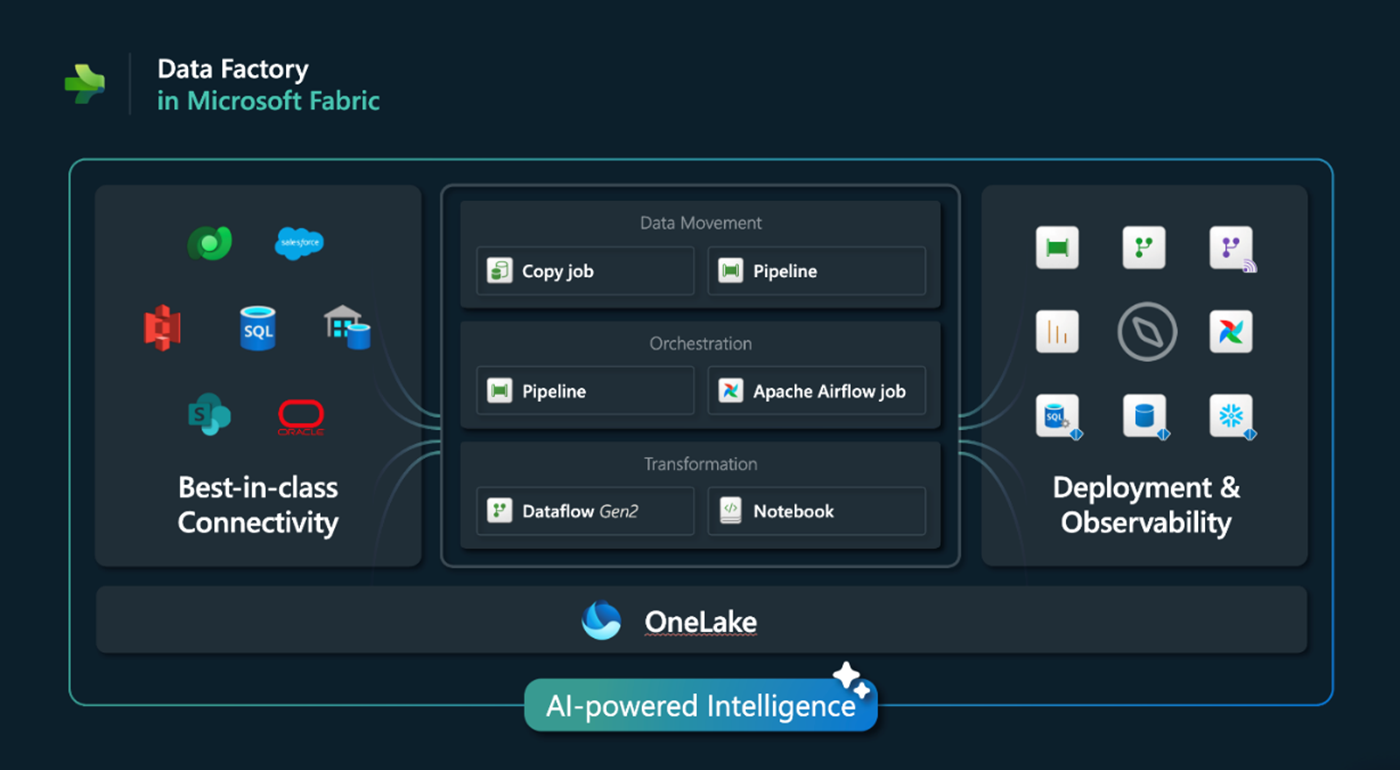
Microsoft Fabric introduces a different approach with Fabric Data Factory, a cloud-scale, fully managed data integration experience built on top of the unified Fabric platform. As the next evolution of Azure Data Factory, Fabric Data Factory offers more than 170 connectors, AI-assisted transformations, hybrid connectivity, and seamless integration with OneLake, making it suitable for modern cloud-first analytics and distributed architectures.

Rather than relying on a single on-premises integration engine, organizations now align workloads to cloud-native services that scale elastically, integrate across multicloud environments, and unify data ingestion with analytics and AI capabilities.

Key Differences Between SSIS and Fabric Data Factory

Read More
Mon, Feb 09, 2026
Share:   

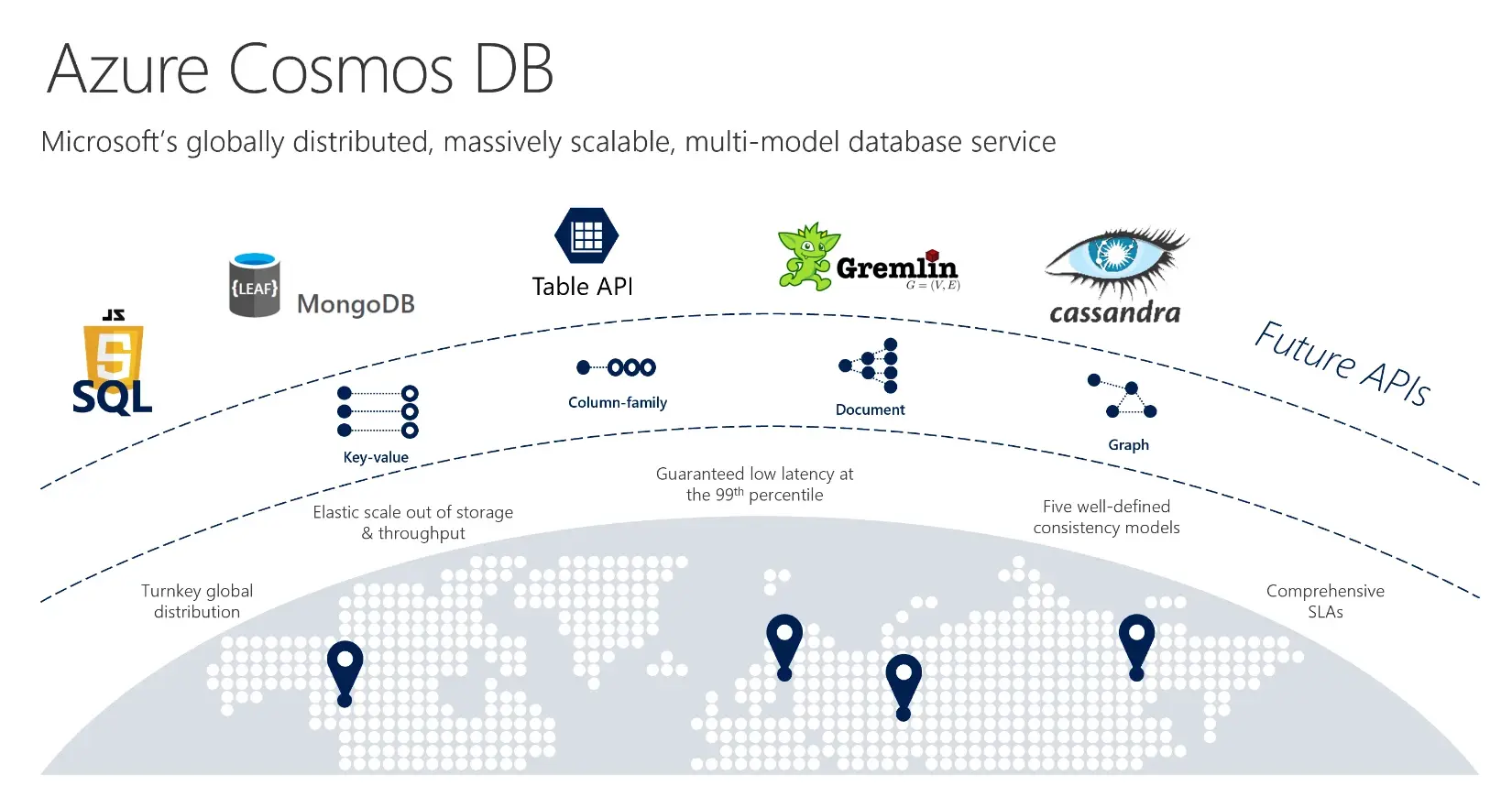
Azure Cosmos DB vs Azure SQL Database: Understanding the Right Fit for Modern Cloud Architectures

Read More
Mon, Feb 02, 2026
Share:   

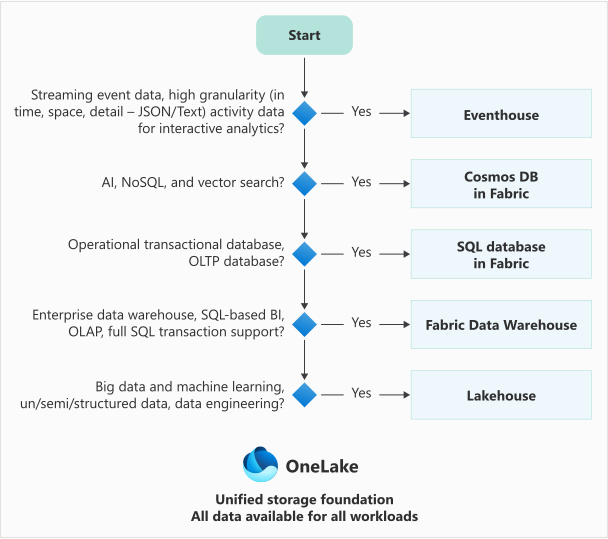
Fabric SQL Database vs Fabric Data Warehouse: Aligning Workloads to the Right Engine

Overview

For many years, organizations commonly relied on on‑premises SQL Server as their enterprise data warehouse. While this approach made sense when cloud platforms were immature, it is no longer necessary, or efficient, in modern analytics architectures. Microsoft Fabric fundamentally changes this model by providing purpose-built, cloud-native analytical engines that eliminate the need to manage traditional data warehouse infrastructure.

Within Fabric, SQL Database and Data Warehouse serve different but complementary roles. Understanding when to use each is critical to building a scalable, governed, and future-proof data platform.

Instead of lifting and shifting legacy SQL Server workloads into the cloud, organizations can now adopt services designed specifically for analytical patterns, elasticity, and tight integration with the broader Fabric ecosystem.


The Shift Away from On-Prem SQL Server as a Data Warehouse

Read More
Mon, Jan 26, 2026
Share:   

Data Landing Zones: The Foundation of Your Data Architecture

Overview

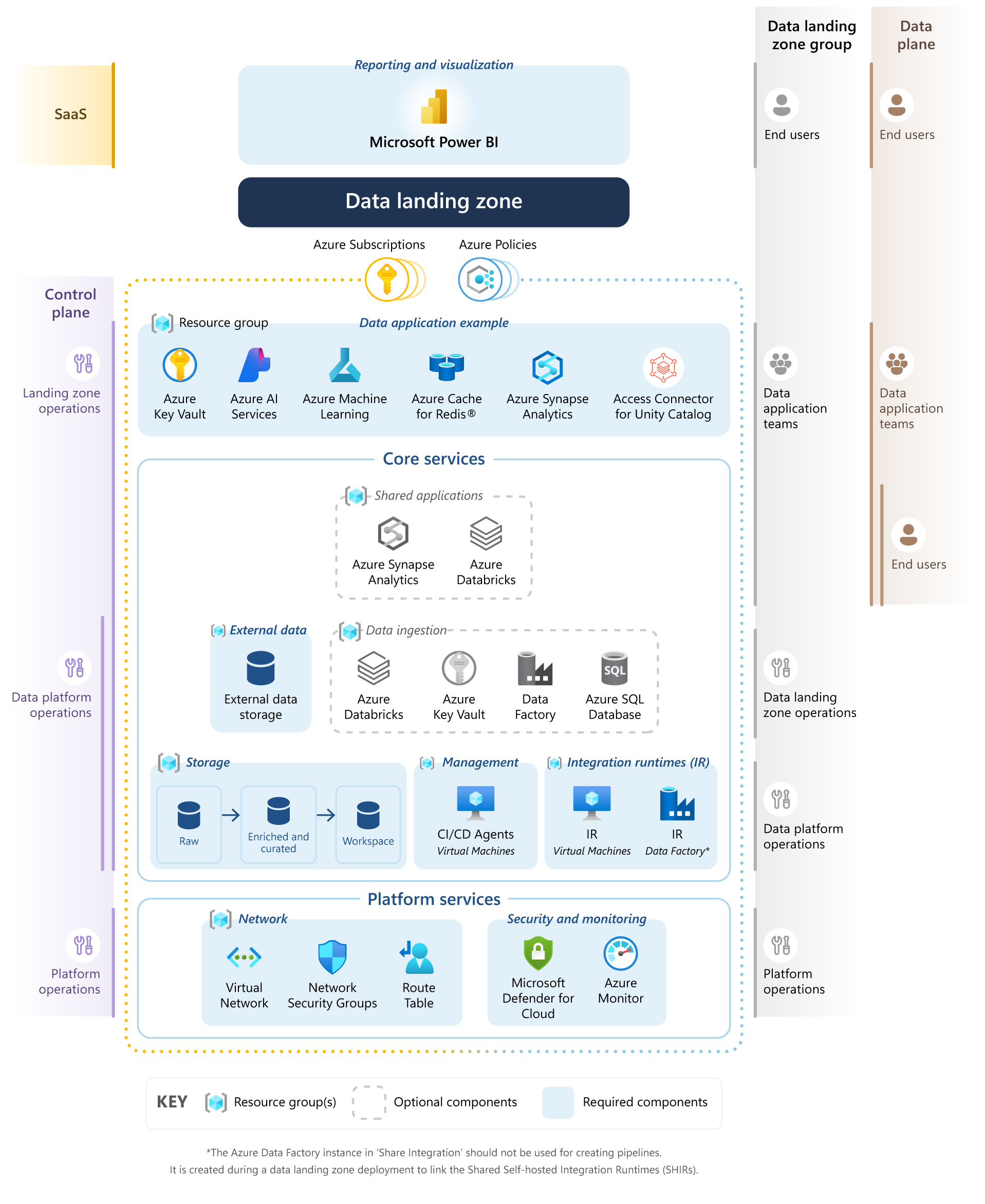
Organizations often rush to ingest data without considering the bigger picture. How that data will be governed, secured, and integrated across the enterprise. This approach leads to fragmented environments, compliance risks, and operational inefficiencies. A data landing zone solves this by providing a structured, strategic foundation for your entire data architecture.

A landing zone is not just a storage bucket or a raw data layer. It is a comprehensive framework that defines governance, networking, security, and operational standards before any data enters your environment.

What Is a Data Landing Zone?

Read More
Mon, Jan 05, 2026
Share:   

Delta vs Parquet: How They Work Together in Modern Data Architectures

Overview

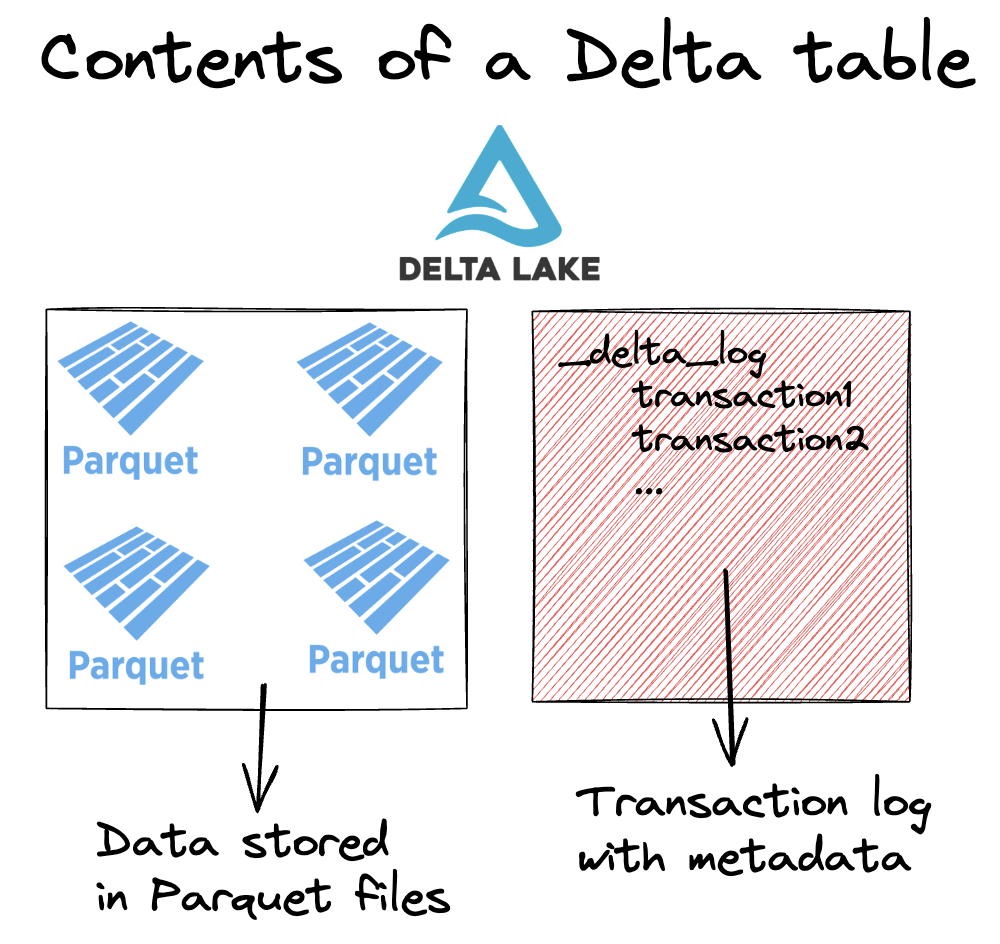
Modernizing a data pipeline isn’t just about adopting the latest technology, it’s about choosing the right foundation for your data. File formats play a critical role in performance, scalability, and governance. Two widely used formats in modern data lakes are Parquet and Delta. While Parquet is a columnar storage format optimized for analytics, Delta builds on Parquet by adding transactional consistency and metadata management. Understanding how they work together and when to use each is key to designing a future-ready architecture.

Key Considerations: Parquet vs Delta

Read More
Mon, Dec 29, 2025
Share:   

Modernizing Your Data Pipeline: Key Questions to Ask Before You Start

Overview

Modernizing a data pipeline isn’t just about adopting the latest technology, it’s about aligning your architecture with your business goals. Before jumping into advanced platforms or AI-driven solutions, start by asking the right questions. What do you want to achieve with your data? How is your data structured? What governance requirements do you have? These fundamentals will guide you toward a solution that is scalable, secure, and future-ready.


Key Considerations for Modernization

Read More
Mon, Dec 22, 2025
Share:   

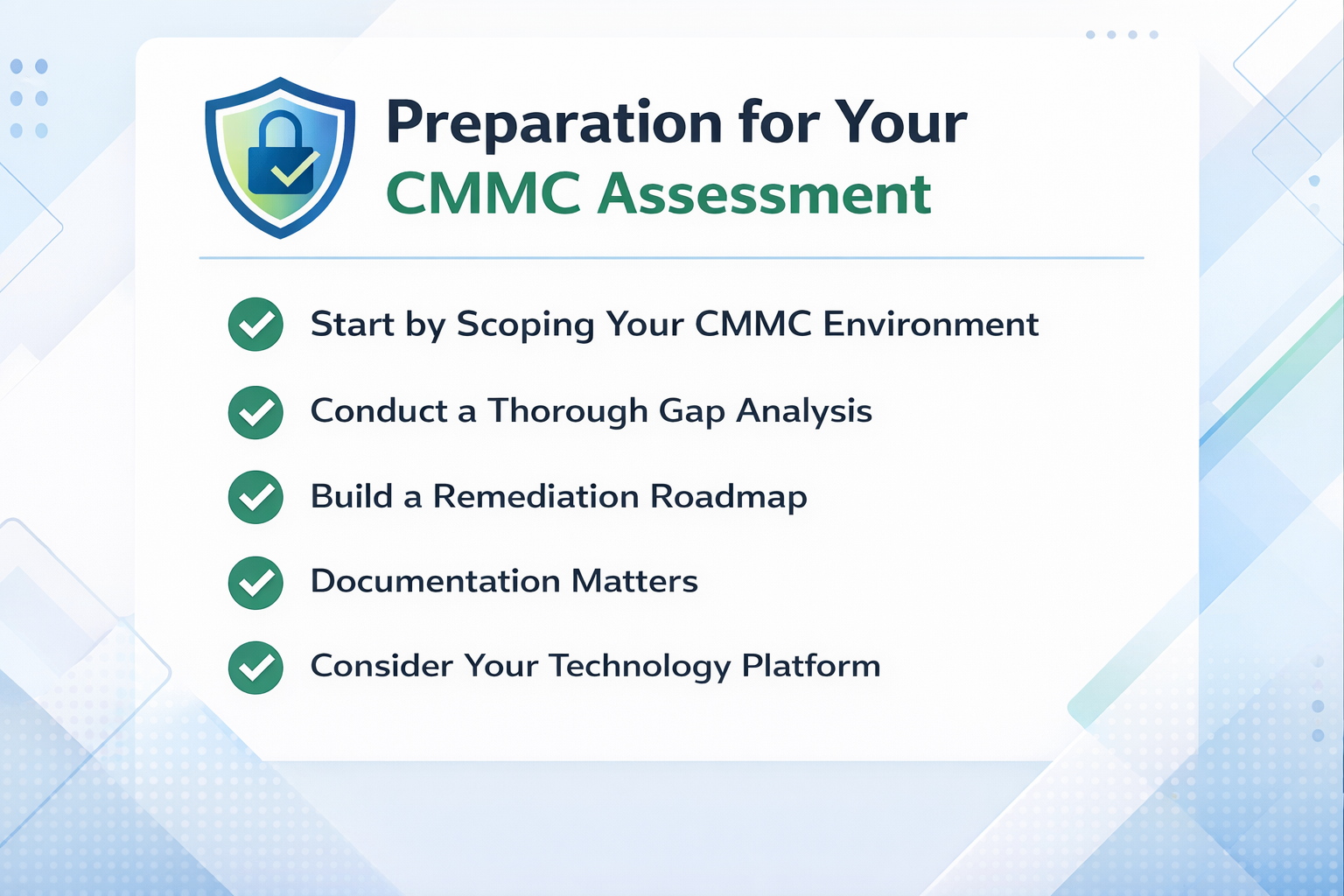
Mission Purview: Navigating E3 vs. E5 in the CMMC Battlefield


As organizations continue to prioritize data governance, compliance, and information protection, Microsoft Purview has emerged as a powerful suite of tools to meet these needs. But not all Purview capabilities are created equal.

In this article, we’ll break down the primary differences between Microsoft 365 E3 and Microsoft 365 E5 Purview features, helping you understand what’s available out-of-the-box with E3 and what additional value E5 brings to the table.

Baseline Capabilities with E3

Read More
Thu, Dec 11, 2025
Share:   

Azure Stream Analytics vs. Microsoft Fabric Eventstreams

Overview

Real-time data processing is no longer optional; it’s essential for businesses that want to act on insights instantly. Microsoft offers two powerful solutions for streaming analytics: Azure Stream Analytics (ASA) and Microsoft Fabric Eventstreams. Both enable organizations to capture, process, and analyze data as it arrives, but they take different approaches to solving the same challenge.

Azure Stream Analytics has been a trusted platform for years, delivering robust, developer-focused capabilities for complex event processing. Meanwhile, Fabric Eventstreams introduces a modern, SaaS-based experience that simplifies real-time data integration and analytics for everyone, not just developers. This shift signals where Microsoft is heading: toward a unified, accessible, and future-ready data ecosystem.

In this article, we’ll break down how each solution works, their key differences, and why Fabric Eventstreams is positioned as the future of real-time analytics.


How It Works: Azure Stream Analytics and Fabric Eventstreams

Read More
Mon, Dec 08, 2025
Share:   

The Basics of Data Engineering: Understanding the Medallion Architecture

Overview

Modern analytics platforms, such as Microsoft Fabric, Azure Synapse, Databricks, and Snowflake, are designed to help organizations unlock the full potential of their data. While each platform offers unique capabilities, the real differentiator lies in how you structure and manage your data. A proven approach for building scalable, governed, and high-performing data solutions is the Medallion Architecture.

The Medallion Architecture organizes data into progressive layers, Bronze, Silver, and Gold, to ensure that raw data evolves into trusted, analytics-ready assets. This layered design is platform-agnostic, meaning it works regardless of whether you’re using a lakehouse, data warehouse, or hybrid architecture. Some organizations even extend this model with Platinum and Development zones for advanced analytics and experimentation.

What is the Medallion Architecture?

Read More
Mon, Nov 17, 2025
Share:   

Microsoft Fabric CMKs: A Game-Changer for Gov Cloud Readiness

Overview

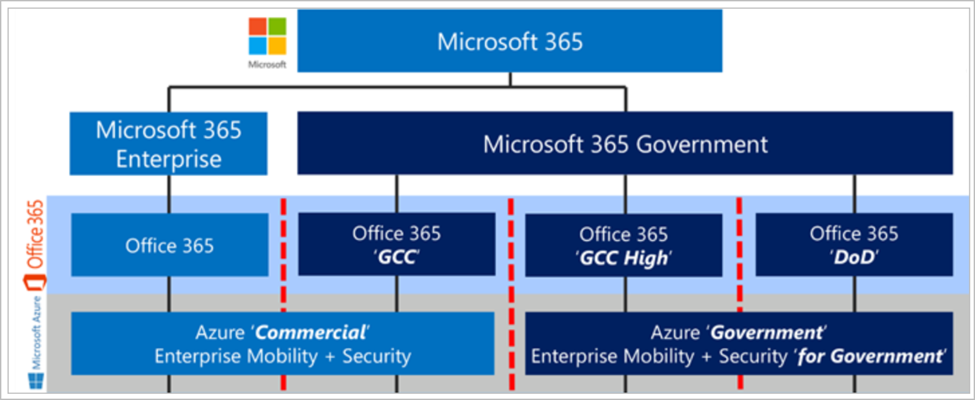
Microsoft Fabric continues to evolve, and the latest release of Customer Managed Keys (CMKs) is a big leap forward. For organizations watching closely for Fabric’s eventual arrival in Azure Government, this update is more than just a security checkbox. It is proof that Fabric is steadily aligning with compliance-heavy environments. Microsoft has made it clear through rep conversations and roadmaps that Fabric is expected to land in Azure Gov by late 2026. With CMKs now available, along with previously released features like Block Public Internet Access and Private Link Configuration, Fabric is building a compliance-ready foundation.

For Azure Government customers who must meet strict standards such as CMMC compliance, these new capabilities are essential. The message is clear: now is the time to start exploring Fabric in commercial tenants to prepare for the eventual Azure Gov rollout.

Why CMKs Matter

Read More
Tue, Sep 02, 2025
Share: