
banner-why-daymark.jpg
Daymark IT Insights

Enterprise IT, cloud, security, and AI guidance from Daymark’s technology experts.

Microsoft Fabric Gateways: On‑Prem, VNet, and Streaming

Overview

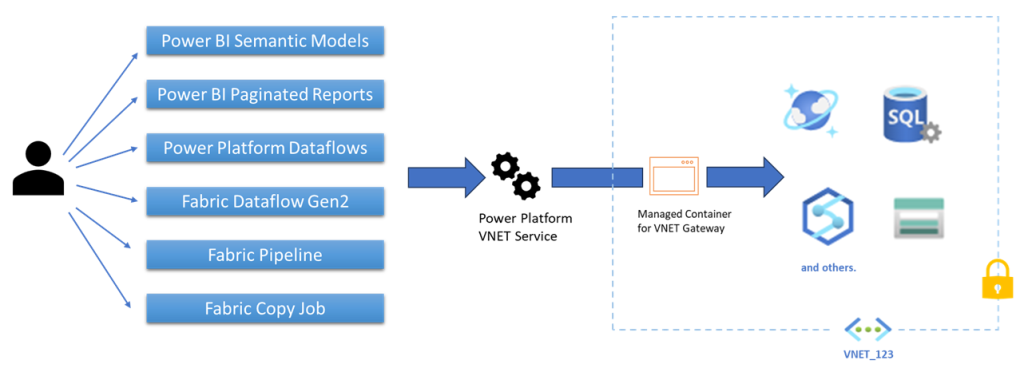
A data gateway in Microsoft Fabric and Power BI is the secure connectivity layer that allows cloud services to access data sources that aren’t publicly reachable. This includes on-premises systems, Azure resources locked behind private endpoints, and streaming platforms running inside private networks.

Gateways are critical because most real-world architectures are hybrid. Even as organizations adopt Fabric, they often need to integrate with legacy systems, tightly secured Azure services, or real-time platforms that cannot be exposed to the public internet. Gateways make this possible without compromising security or network boundaries.

Microsoft Fabric currently supports three gateway types, each optimized for a different scenario:

    • On-premises data gateway
    • Virtual network data gateway
    • Streaming virtual network data gateway

Understanding when to use each one helps avoid unnecessary complexity and ensures the right balance of security, performance, and manageability.

What a Data Gateway Does in Fabric and Power BI

Read More
Mon, Mar 02, 2026
Share:   

Data Landing Zones: The Foundation of Your Data Architecture

Overview

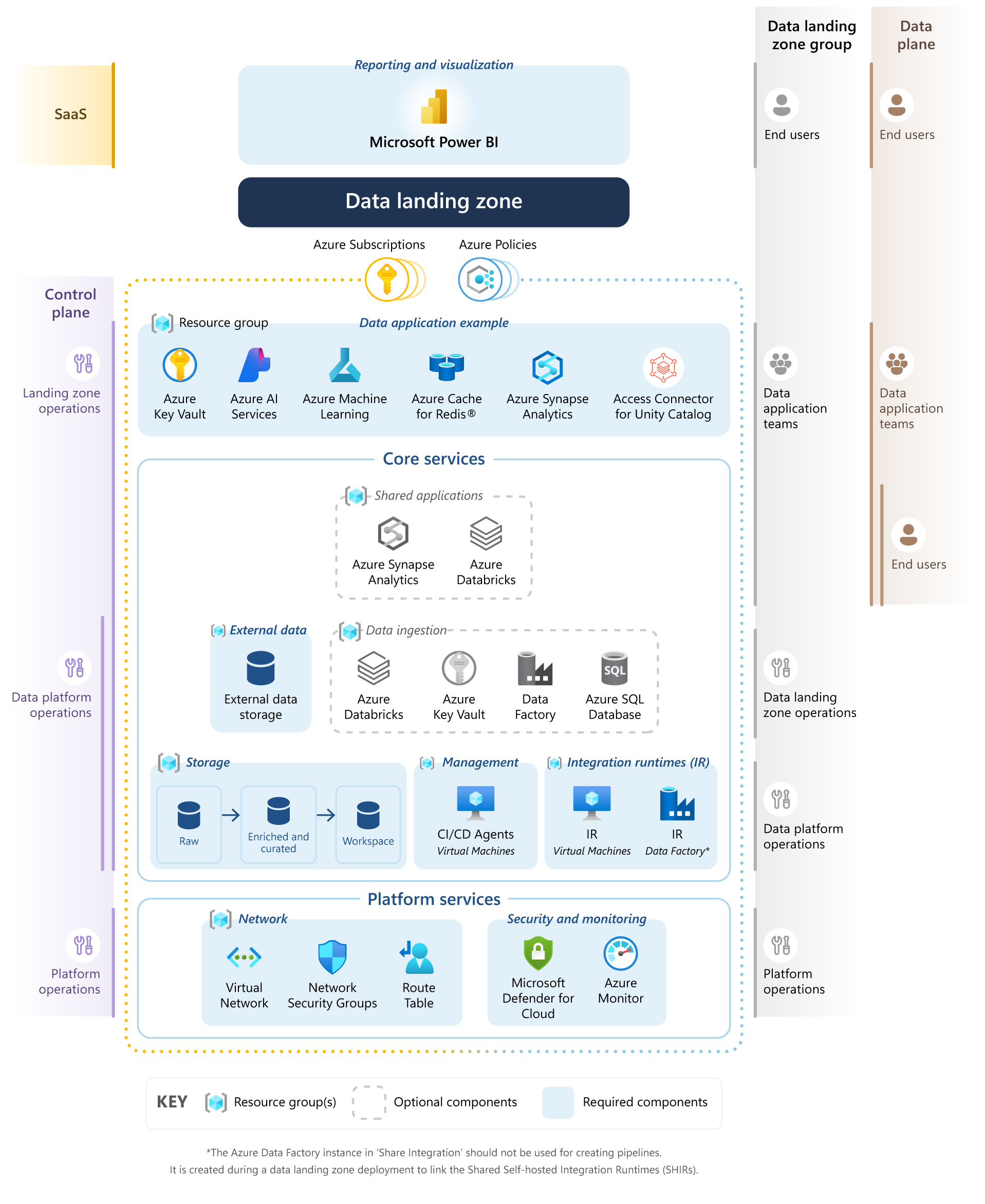
Organizations often rush to ingest data without considering the bigger picture. How that data will be governed, secured, and integrated across the enterprise. This approach leads to fragmented environments, compliance risks, and operational inefficiencies. A data landing zone solves this by providing a structured, strategic foundation for your entire data architecture.

A landing zone is not just a storage bucket or a raw data layer. It is a comprehensive framework that defines governance, networking, security, and operational standards before any data enters your environment.

What Is a Data Landing Zone?

Read More
Mon, Jan 05, 2026
Share:   

Making Sense of Microsoft Fabric Domains: Organize, Govern, and Scale with Confidence


Overview

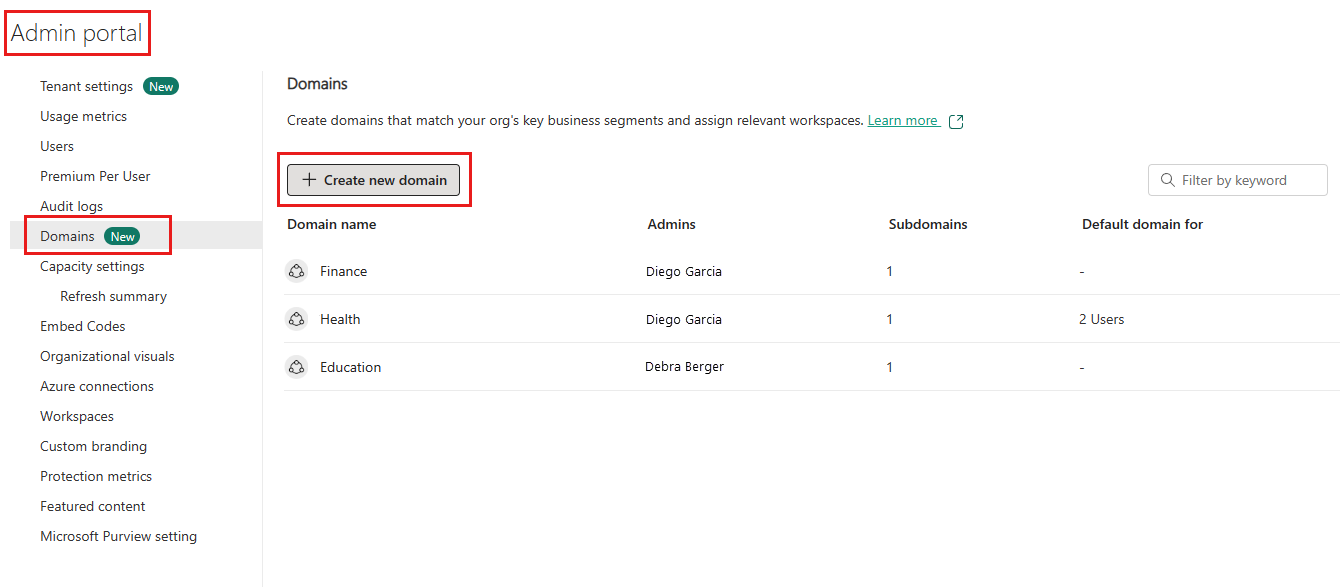
Every organization today is swimming in data. The challenge isn’t collecting it, it’s making sure the right people can actually find, use, and trust it. That’s where Microsoft Fabric Domains come in. Think of them as a way to bring order to the chaos. Instead of one central IT team trying to juggle everything, Fabric Domains shift ownership to individual business areas like Sales, HR, or Marketing. Each domain gathers together the workspaces that belong to that team, while subdomains allow you to get even more specific. The real magic is that domains also support governance: settings can be delegated, admins and contributors assigned, and default domains set up so things stay consistent.

Why Microsoft Fabric Domains Help

Read More
Mon, Sep 15, 2025
Share:   

Microsoft Fabric: Securing Data Today, Preparing for AI Tomorrow

Many organizations are not moving to new data platforms because their existing pipelines are broken. The real challenge is that valuable data is often trapped in silos, spread across multiple systems, departments, and tools, making it hard to share, govern, and use effectively. In a world where data is the foundation for innovation, especially in the era of generative AI, the opportunity lies in bringing that data together, securing it, and making it ready for whatever comes next.

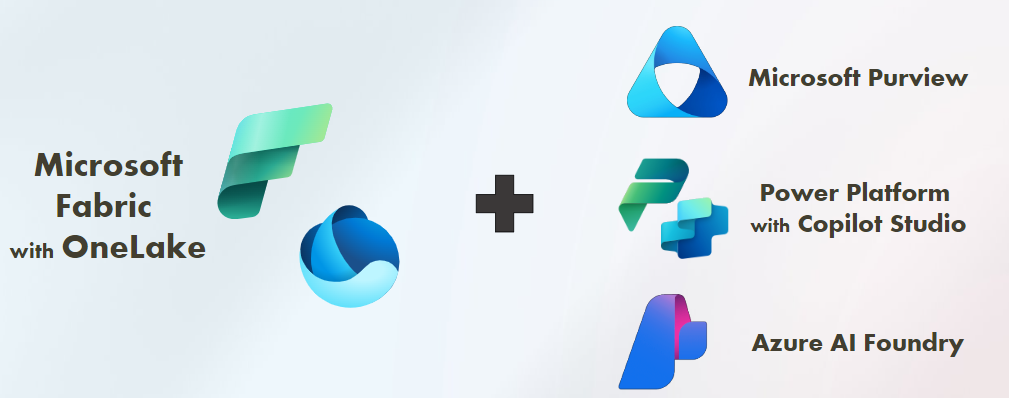
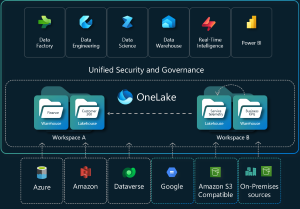
Microsoft Fabric offers exactly that. By unifying storage, governance, and analytics in a single, integrated platform, Fabric allows organizations to break down silos, strengthen security, and enable future-ready data strategies without disrupting the systems they already rely on.

OneLake: Your Single Source of Truth

Read More
Mon, Aug 25, 2025
Share: