
banner-why-daymark.jpg
Daymark IT Insights

Enterprise IT, cloud, security, and AI guidance from Daymark’s technology experts.

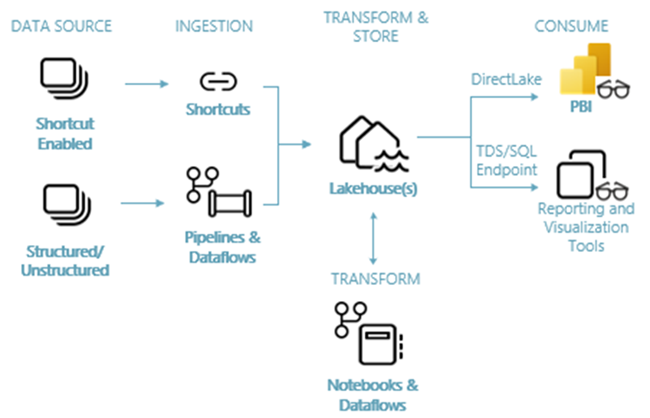
Fabric vs Databricks vs Snowflake: Choose the Platform That Fits Your Business

Overview

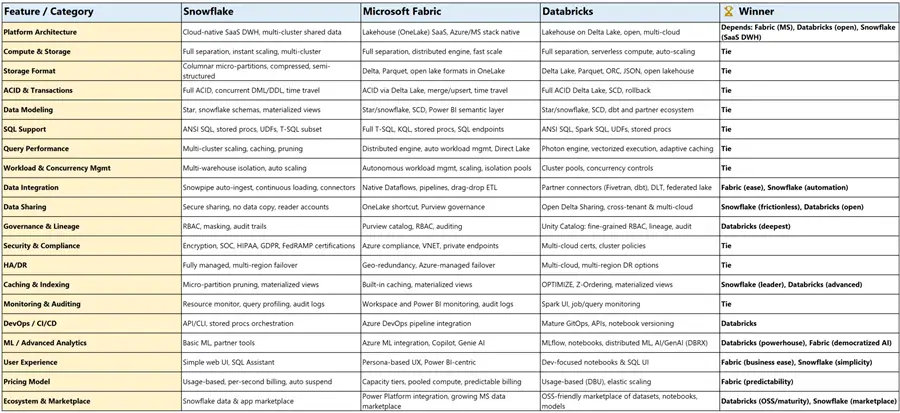
A September 24, 2025 MSSQLTips comparison of Microsoft Fabric, Databricks, and Snowflake made one thing clear: this is no longer a decision between narrowly defined tools. All three platforms now extend well beyond where they started, with overlap across data engineering, warehousing, AI, governance, and real-time workloads.

What stands out even more is timing. That comparison took place more than half a year ago, and these platforms continue to evolve rapidly. Microsoft continues to expand Fabric as an end-to-end SaaS platform, Databricks continues to deepen its lakehouse and AI capabilities, and Snowflake continues to broaden its cloud data platform story well beyond traditional warehousing.

This brings me back to one of the first things I learned in IT: it is okay to be biased about technology, as long as that bias is grounded in business reality. The best platform is not the one with the longest feature list. It is the one that best fits your people, your environment, and your ability to execute.

Quick Comparison

Read More
Mon, May 04, 2026
Share:   

Microsoft Fabric Item Recovery (Soft Delete): What You Need to Know

Overview

As Microsoft Fabric environments mature and become more collaborative, the risk of accidental deletion increases. A data engineer cleaning up a workspace, an analyst removing unused assets, or a contributor misunderstanding dependencies can easily delete the wrong item. Until recently, that deletion was permanent.

Microsoft Fabric now introduces item-level recovery through soft delete, providing a critical safety net for supported Fabric items. This capability complements existing workspace retention and adds fine-grained protection at the item level.

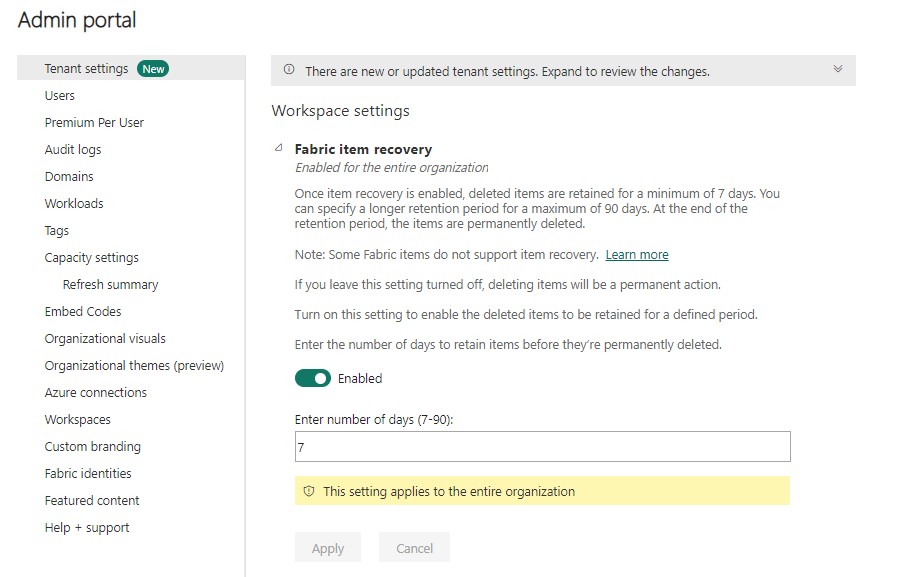
Item recovery allows deleted items to be retained for a configurable period, during which authorized users can restore them or permanently delete them. This feature is currently available in preview and must be explicitly enabled at the tenant level.

Prerequisites and Configuration

Read More
Mon, Apr 06, 2026
Share:   

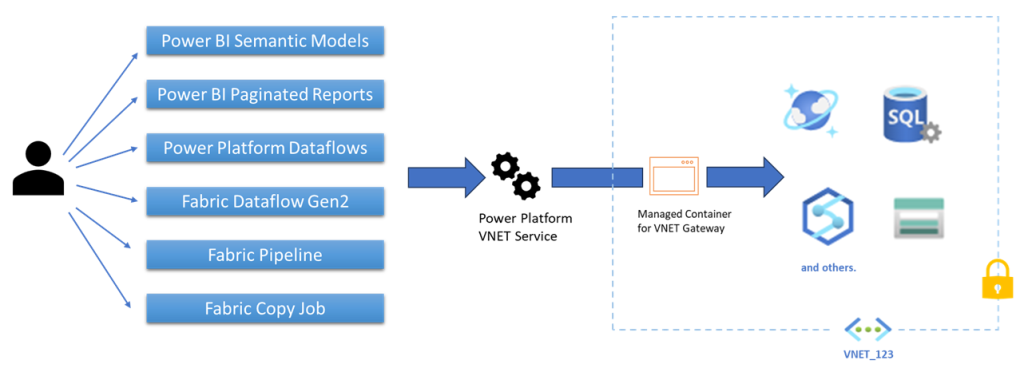
Microsoft Fabric Database Hub: A Major Step Forward in Database Management

Overview

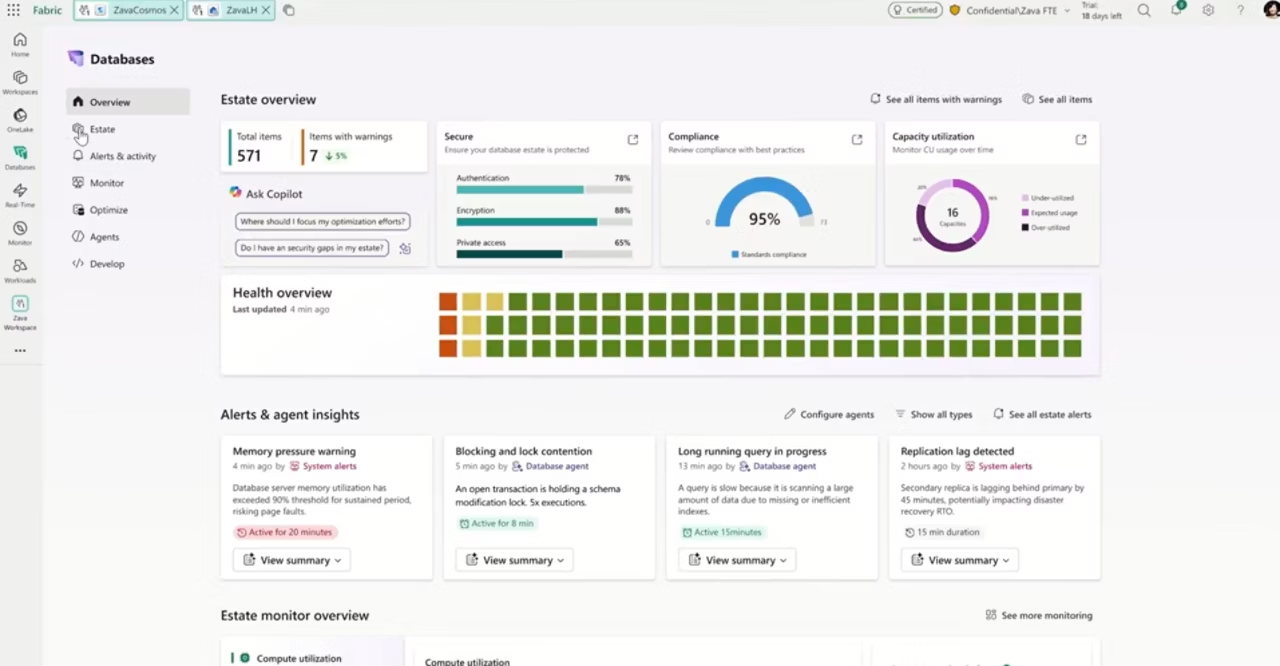
At FabCon 2026, Microsoft took another important step toward reshaping how organizations manage databases by announcing the Database Hub in Microsoft Fabric. While the Database Hub is still in early access and not yet generally available, it represents a meaningful shift in how Microsoft is thinking about database management at scale.

For years, database teams have operated across fragmented tools, portals, and management experiences depending on whether the database lived on‑premises, in Azure PaaS, or in a SaaS environment. As data estates grow and AI workloads place greater pressure on operational data, that fragmentation becomes a real problem. The Database Hub is Microsoft’s answer to this challenge, providing a unified control plane for managing databases across the enterprise from within Fabric.

Anyone running SQL Server today, whether on‑premises or in Azure, should be paying close attention. This is not just another management experience. It is a signal of where Microsoft is taking databases as part of a single, converged data platform.

What the Database Hub Is

Read More
Mon, Mar 30, 2026
Share:   

Fabric Security: Control Plane vs Data Plane

Overview

Microsoft Fabric security is built on two distinct layers that are often confused but serve very different purposes:

    • Control plane access determines what you can do in Fabric, such as creating items, managing workspaces, and sharing content.
    • Data plane access determines what data you can actually see or interact with inside OneLake.

For much of Fabric’s early life, workspace roles were used as the primary security boundary. That works for collaboration, but it becomes problematic as platforms scale and data products need stronger governance.

This is where OneLake security comes in. It introduces native, fine-grained security directly at the storage layer, allowing organizations to separate operational permissions from data access. At FabCon, Microsoft announced that OneLake security is going GA in April 2026, signaling that this model is ready to become the standard for enterprise Fabric deployments.

Control Plane Access: Workspace Roles

Read More
Mon, Mar 23, 2026
Share:   

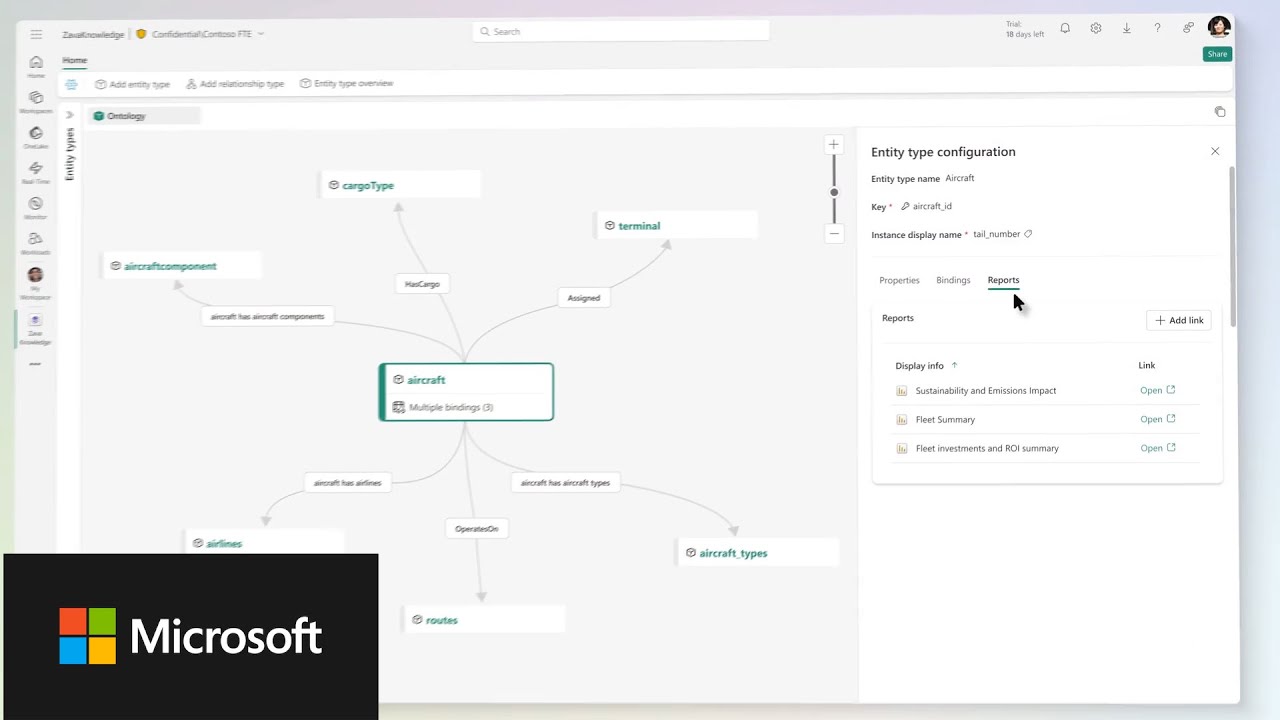
AI Ready Enterprise Intelligence with Fabric IQ and Fabric Ontology


Read More
Mon, Mar 16, 2026
Share:   

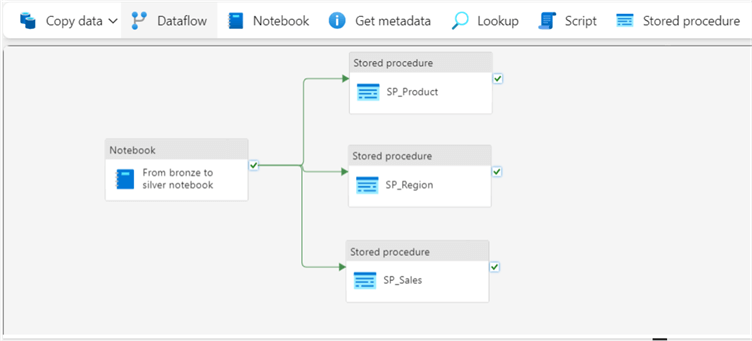
Fabric Notebooks vs Stored Procedures in Microsoft Fabric

Overview

Microsoft Fabric provides multiple ways to implement transformation logic and operationalize it within Fabric Data Factory pipelines. Two of the most common approaches are Fabric notebooks and SQL stored procedures.

Both are first class tools in Fabric and both can be orchestrated through Data Factory pipelines. The difference is not about which one is better. It is about how the processing is executed, where the logic lives, and what development style best fits the workload.

Notebooks are built on Apache Spark and are designed for distributed, code driven data engineering and analytics workflows. Stored procedures run directly in the SQL engine and are optimized for relational, database centric operations. In real world Fabric architectures, it is common and often recommended to use both together.

Understanding the strengths of each helps teams design pipelines that are scalable, maintainable, and aligned with how their data is structured and governed.

Fabric Notebooks

Read More
Mon, Mar 09, 2026
Share:   

CMMC 2.0 Explained: What Defense Contractors Must Do to Stay Eligible

The regulatory countdown that defense contractors have been watching for years is finally over. On November 10, 2025, the Department of Defense began including CMMC 2.0 requirements in contract solicitations - transforming cybersecurity compliance from a policy goal into a binding contractual obligation for anyone in the defense supply chain. If you manufacture components for the DoD, provide engineering services, or operate anywhere in the defense industrial base, CMMC 2.0 compliance now directly determines whether you can bid on and win contracts.

Read More
Tue, Feb 17, 2026
Share:   

Mission Purview: Navigating E3 vs. E5 in the CMMC Battlefield


As organizations continue to prioritize data governance, compliance, and information protection, Microsoft Purview has emerged as a powerful suite of tools to meet these needs. But not all Purview capabilities are created equal.

In this article, we’ll break down the primary differences between Microsoft 365 E3 and Microsoft 365 E5 Purview features, helping you understand what’s available out-of-the-box with E3 and what additional value E5 brings to the table.

Baseline Capabilities with E3

Read More
Thu, Dec 11, 2025
Share:   

What Government Subcontractors Should Know About DFARS Flowdowns

Protecting sensitive and classified information when working for the Federal Government requires constant vigilance. When the government issues a contract, it must specify to the performing contractor when covered defense information (CDI) or controlled unclassified information (CDI) will be generated under the contract. Many prime contractors “flowdown” every FAR and DFARS clause to subcontractors and vendors without considering if that subcontractor or vendor will be processing, storing, or transmitting CDI. Anticipating where CDI may reside once awarded a contract can be a challenge. Here is guidance on ways CDI can flowdown to subcontractors and the defense industrial base (DIB), and steps those organizations should take before signing an agreement.

An Introduction to DFARS

Read More
Thu, Apr 25, 2024
Share:   

The Key to CMMC Readiness: NIST Compliance

Preparing for a Cybersecurity Maturity Model Certification (CMMC) 2.0 assessment can be completely overwhelming. Here’s the good news: If you’re NIST 800-171 compliant, you’re more than halfway there. If you’re not, you’ve got some work to do for sure, but it’s not as complicated or daunting as you may fear.

NIST 800-171

Read More
Tue, Dec 06, 2022
Share: