
banner-why-daymark.jpg
Daymark IT Insights

Enterprise IT, cloud, security, and AI guidance from Daymark’s technology experts.

Why Model Context Protocol (MCP) Matters for Enterprise AI Strategy

Overview

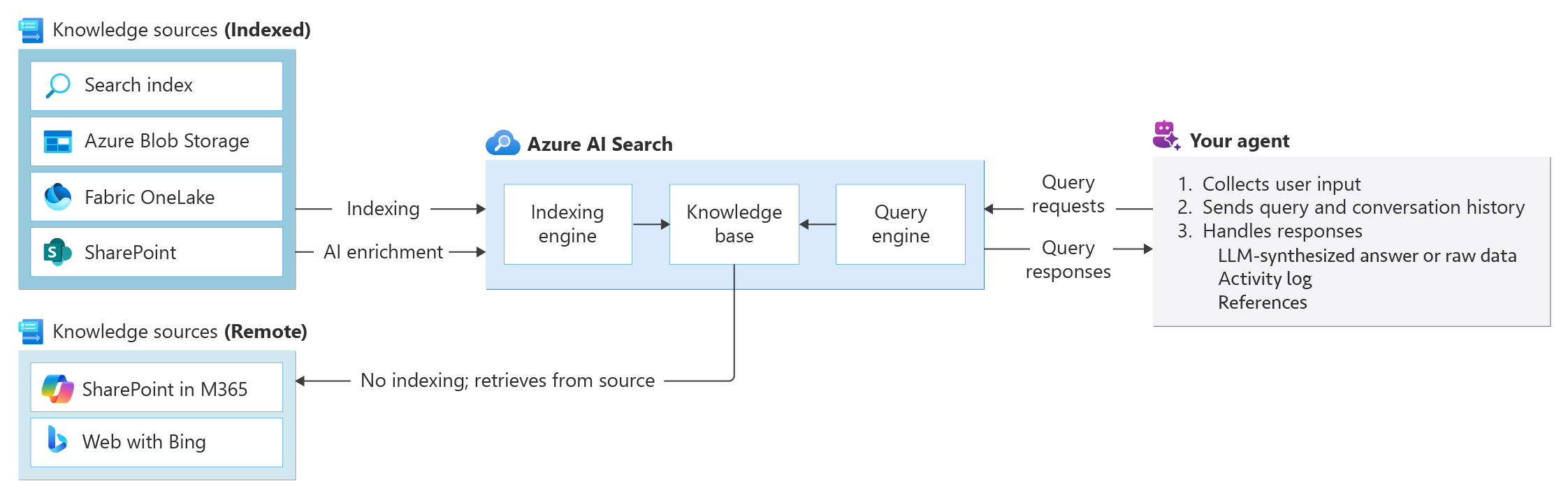
As organizations move from AI experimentation to real-world deployment, a common challenge emerges: connecting AI models to the systems where business data lives.

Large language models (LLMs) are powerful, but on their own, they are limited. They rely on static training data and lack direct access to real-time systems, enterprise data, and operational workflows.

That is where the Model Context Protocol (MCP) comes in.

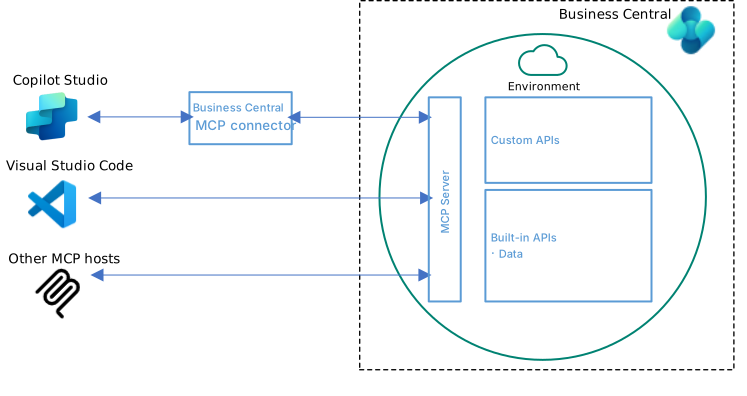
MCP is an open standard that enables AI applications to securely and consistently connect to external tools, data sources, and systems. At a high level, it represents a shift from isolated AI models to connected, context-aware systems that can operate within real business environments.

As enterprises scale AI initiatives, MCP is emerging as a foundational capability for enabling more dynamic, integrated, and production-ready AI solutions.

What is MCP, Why it Matters, and How it Fits into the Modern AI Stack

Read More
Mon, Jun 29, 2026
Share:   

Azure HorizonDB: Microsoft’s AI-Ready PostgreSQL Database for Modern Applications

Overview

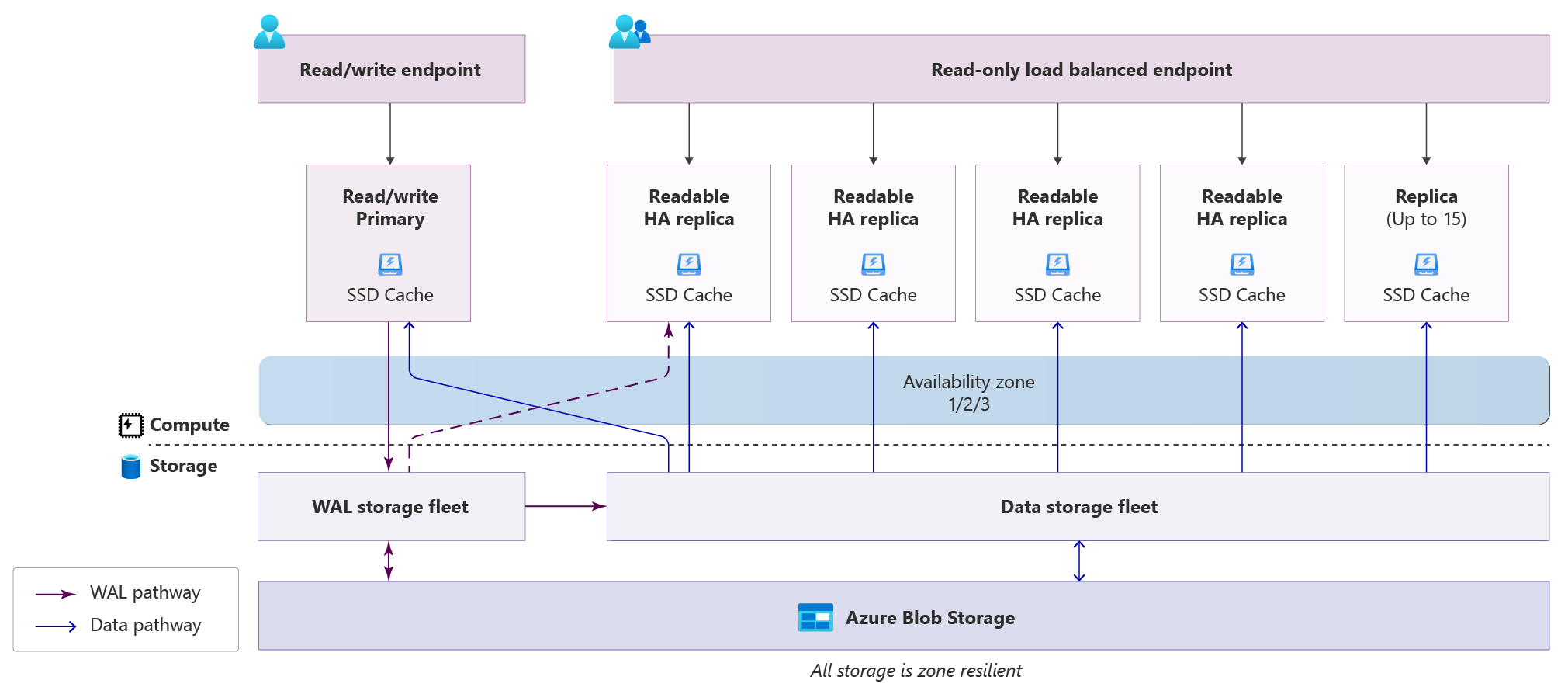
Azure HorizonDB is Microsoft’s new fully managed, PostgreSQL-compatible database service built for modern cloud and AI applications. It is designed for mission-critical workloads that need predictable performance, enterprise-grade security, high availability, and scalable architecture while preserving compatibility with the PostgreSQL ecosystem.

At a high level, HorizonDB matters because it brings transactional data, cloud-native scale, and AI capabilities closer together. Instead of forcing teams to stitch together separate systems for relational data, vector search, AI model interaction, and data pipelines, HorizonDB is designed to support more of those patterns directly within a PostgreSQL-compatible platform.

This is especially important as organizations modernize applications and begin embedding AI into everyday business workflows. The database layer is becoming more than a system of record. It is becoming part of the intelligent application architecture.

Key High-Level Characteristics Everyone Should Know

Read More
Mon, Jun 22, 2026
Share:   

Microsoft 365 Copilot Licensing in GCC High: What It Costs, What You Need, and How to Pilot Without Over-Buying

The IT director at a 220-person defense supplier walks into a Wednesday afternoon budget meeting with a question her CFO has asked twice already: "If we want to give Copilot to 50 of our engineers in GCC High, what does that actually cost us this year?" She opens the Microsoft licensing page, scans through commercial Copilot pricing, and quickly realizes none of those numbers apply to her environment. GCC High licensing is not on the public price list. Copilot in GCC High requires prerequisite licenses she has not budgeted for. Copilot Studio adds another line item nobody has scoped. By the end of the meeting, the CFO has approved nothing because nobody can answer the simple question of cost.

Read More
Wed, May 27, 2026
Share:   

Azure Content Understanding: Unlocking Value from Unstructured Content at Scale

Overview

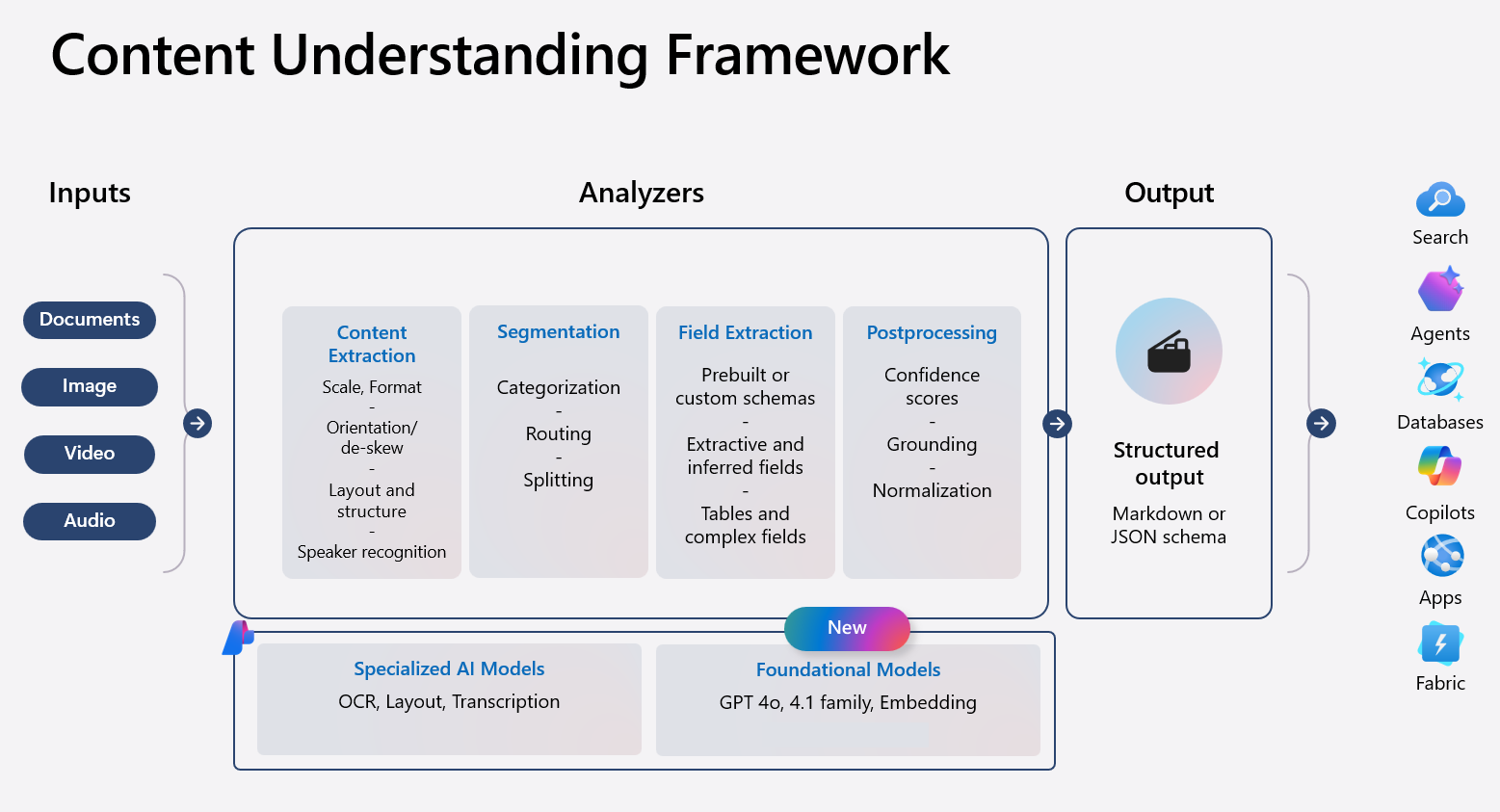
Most organizations are rich in content but poor in usable insight. Documents, PDFs, images, videos, and audio files hold critical business information, yet much of it is locked away in formats that are difficult to automate, analyze, or govern. This creates operational drag, manual review cycles, and increased costs.

Azure Content Understanding is Microsoft’s AI service designed to change that. It helps organizations consistently analyze and understand unstructured content and turn it into structured, reliable, and reusable information. Instead of fragmented tools and manual effort, Content Understanding provides a unified way to extract meaning from content with accuracy, confidence scores, and governance built in.

For technology leaders, the value is not just AI capabilities, but faster time to value, reduced operational cost, and greater confidence in automation and AI-driven decisions.

Why Use Azure Content Understanding

Read More
Mon, Apr 20, 2026
Share:   

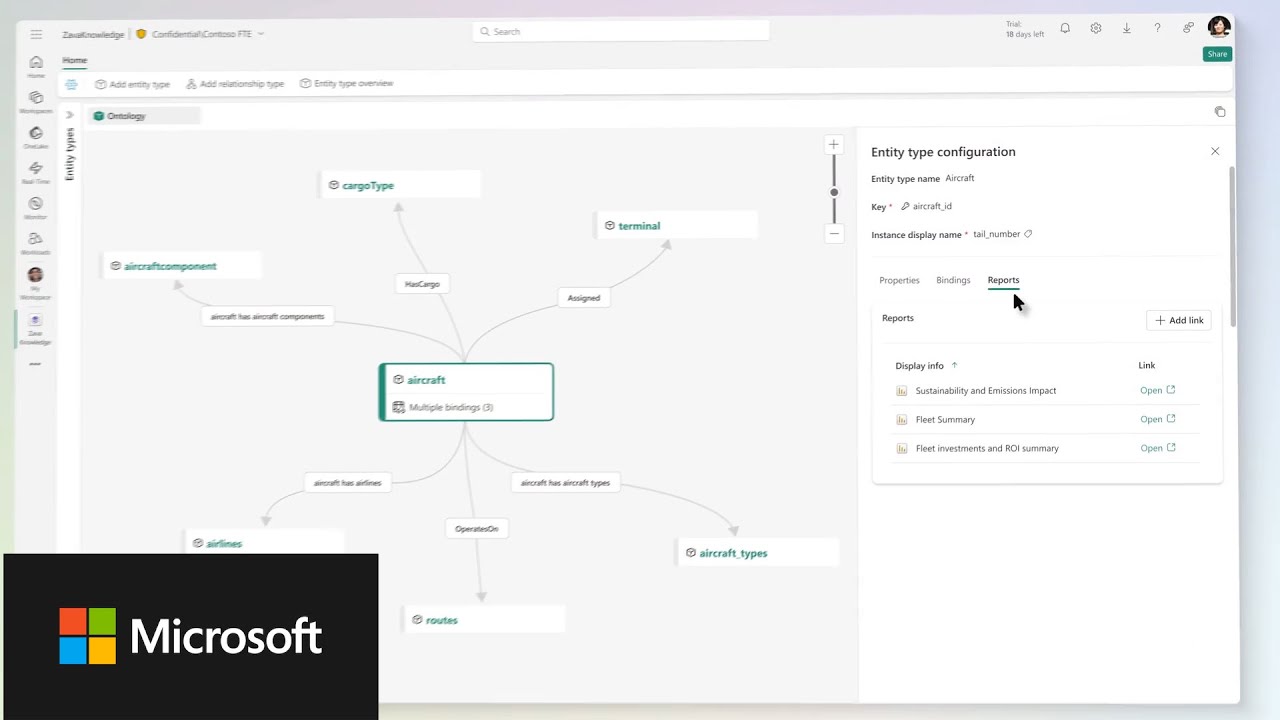
AI Ready Enterprise Intelligence with Fabric IQ and Fabric Ontology


Read More
Mon, Mar 16, 2026
Share:   

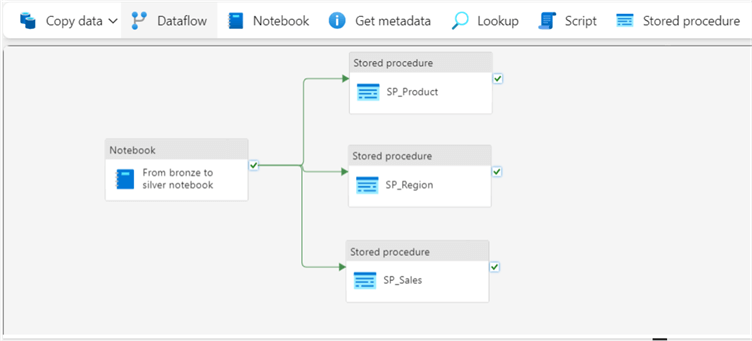
Fabric Notebooks vs Stored Procedures in Microsoft Fabric

Overview

Microsoft Fabric provides multiple ways to implement transformation logic and operationalize it within Fabric Data Factory pipelines. Two of the most common approaches are Fabric notebooks and SQL stored procedures.

Both are first class tools in Fabric and both can be orchestrated through Data Factory pipelines. The difference is not about which one is better. It is about how the processing is executed, where the logic lives, and what development style best fits the workload.

Notebooks are built on Apache Spark and are designed for distributed, code driven data engineering and analytics workflows. Stored procedures run directly in the SQL engine and are optimized for relational, database centric operations. In real world Fabric architectures, it is common and often recommended to use both together.

Understanding the strengths of each helps teams design pipelines that are scalable, maintainable, and aligned with how their data is structured and governed.

Fabric Notebooks

Read More
Mon, Mar 09, 2026
Share:   

Strengthen Your Security Posture with Microsoft Azure Sentinel

Is your organization ready to modernize its security operations with Microsoft Azure Sentinel — but unsure where to start? Whether you're just beginning your Sentinel journey or looking to maximize your existing investment, Daymark’s expert-led Proof of Concept (PoC) provides the hands-on experience and technical guidance you need.

Protecting your organization from sophisticated cyber threats requires more than isolated tools and fragmented systems. Microsoft Azure Sentinel — a cloud-native Security Information and Event Management (SIEM) and Security Orchestration, Automation, and Response (SOAR) solution — offers a unified approach to modern security operations — but success depends on knowing how to deploy and use it effectively.

Read More
Wed, Apr 30, 2025
Share:   

Azure FinOps Workshop: Fundamentals to Manage Cloud Costs

In today’s cloud-driven world, controlling cloud costs without sacrificing performance is a key challenge. Microsoft Azure FinOps (Financial Operations) is a framework that brings a strategic approach to managing cloud expenditures, transforming it from a guessing game into a structured process. For businesses utilizing Azure, learning FinOps fundamentals can unlock new cost-saving opportunities and enhance collaboration across finance, IT, and business teams.

Daymark Solutions’ comprehensive Azure FinOps workshop offers hands-on labs, expert-led discussions, and interactive exercises designed to teach critical cost management skills. Participants dive into rightsizing Azure resources, managing orphaned resources, and leveraging Azure’s unique cost-saving options like Azure Hybrid Benefit, Reserved Instances, and Azure Savings Plans. Each session balances theory with practical exercises to build a solid foundation for financial governance within Azure environments.

Read More
Tue, Nov 12, 2024
Share:   

Design Your Disaster Recovery Strategy with Microsoft Azure

Imagine a sudden system failure that disrupts your entire operation—how quickly can your business bounce back? With data as one of your most valuable assets, having a robust Disaster Recovery (DR) plan is critical to minimizing downtime and financial loss. However, as technology and cyber threats evolve, many DR strategies fall short of current best practices.
 
Our Azure Disaster Recovery Workshop is designed to teach your team the essentials of modern DR planning on Microsoft Azure. This hands-on workshop starts with foundational concepts like Recovery Time Objective (RTO) and Recovery Point Objective (RPO), guiding you on how to prioritize workloads based on business needs. Workshop highlights include:
Read More
Thu, Oct 31, 2024
Share:   

Azure Retirement Updates – Public IP SKU and Default Internet Access Changes

Microsoft has recently issued some retirement notices that impact VM default internet access on Azure and Basic Public SKUs. While there is runway on both of these notices, Microsoft recommends planning all new deployments with these changes in mind. We at Daymark agree. Here’s a quick summary of the announcements:

Default Internet Access Retirement

Read More
Tue, Nov 28, 2023
Share: