
banner-why-daymark.jpg
Daymark IT Insights

Enterprise IT, cloud, security, and AI guidance from Daymark’s technology experts.

Apple Set the Architecture. Microsoft Built the Guardrails.

Apple validated the hybrid AI architecture. Microsoft extended that architecture into enterprise governance. For regulated organizations, that distinction matters more than the headline.

The Short Version

▸ Apple's Worldwide Developer’s Conference (WWDC) 2026 platform confirms the hybrid AI architecture: local inference, private cloud and a framework abstracting model selection from application code

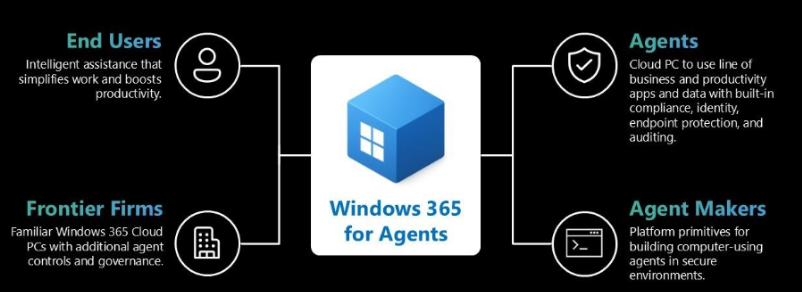
▸ That validation stops at the routing layer. Apple does not currently offer a public, agent-specific enterprise governance plane comparable to Microsoft Agent 365's combination of Entra identity controls, Purview data governance and Defender security telemetry.

▸ Microsoft's Agent 365 brings agent identity, data classification and behavioral telemetry into a single enterprise control plane

▸ For regulated organizations, the question is whether governance is designed before agents go into production or in response to a compliance finding

Read More
Tue, Jun 16, 2026
Share:   

Web IQ: Extending Microsoft’s IQ Stack to the Open Web

Overview

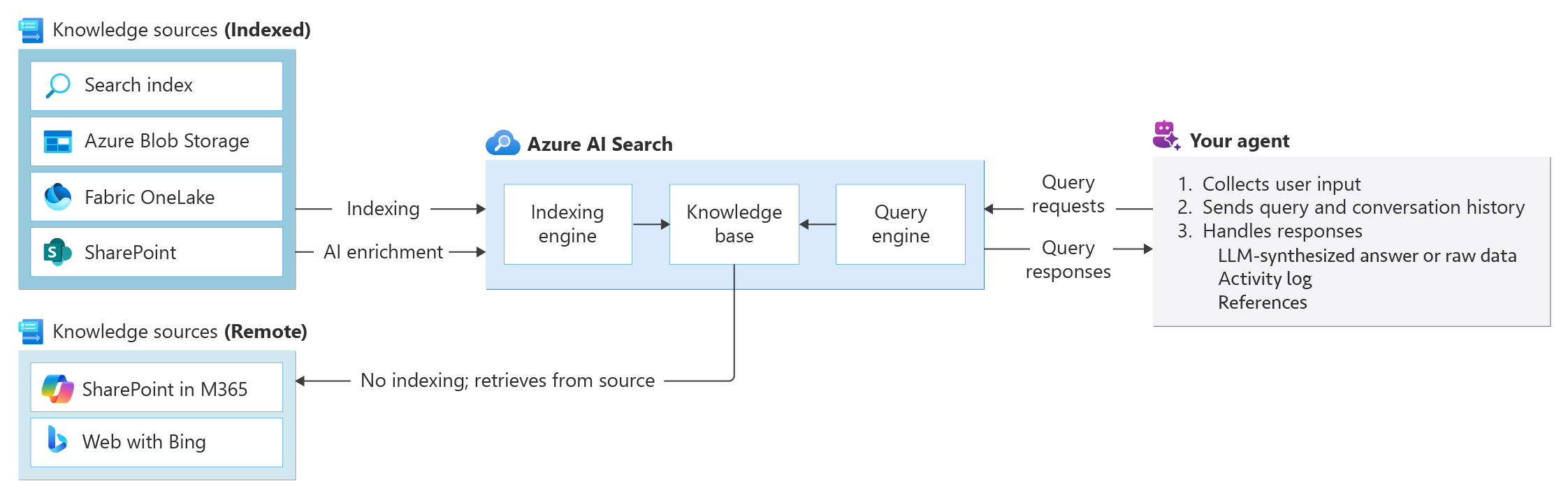
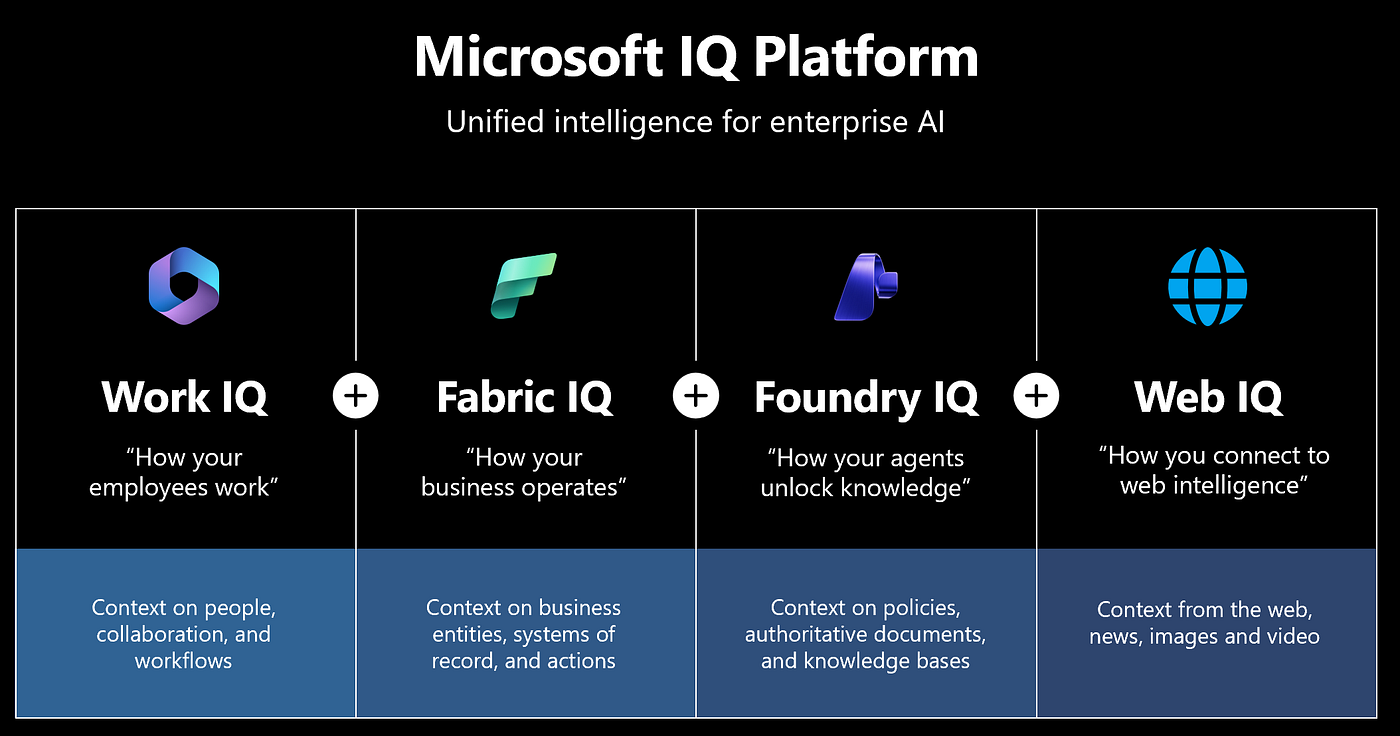
As organizations continue adopting generative AI and AI agents, one of the biggest challenges is making sure those systems are grounded in accurate, current, and trusted information. Large language models are powerful, but they are limited by what they were trained on and may not always have access to the most recent or specialized information needed to answer a business question. Microsoft IQ documentation describes Microsoft IQ as a unified intelligence layer for enterprise AI, bringing together capabilities such as Work IQ, Fabric IQ, Foundry IQ, and now Web IQ.

Web IQ is the newest addition to Microsoft’s growing IQ stack. It is designed to give AI systems and agents access to fresh, real-world information from across the web, including web pages, news, images, and videos. Instead of relying only on model knowledge or static enterprise content, Web IQ helps agents discover, rank, extract, and package relevant web-based evidence so responses can be more timely, grounded, and useful.

What Web IQ Is

Read More
Mon, Jun 15, 2026
Share:   

Compute Designed for Agents

Build 2026 just validated the local AI strategy and gave IT the compliance answer it needed. Here is the architecture, and why it matters.

The Short Version

Build 2026 was a platform architecture event, not a hardware launch

MAI (Microsoft AI) models run identically on-device and in Azure, dual-mode by design

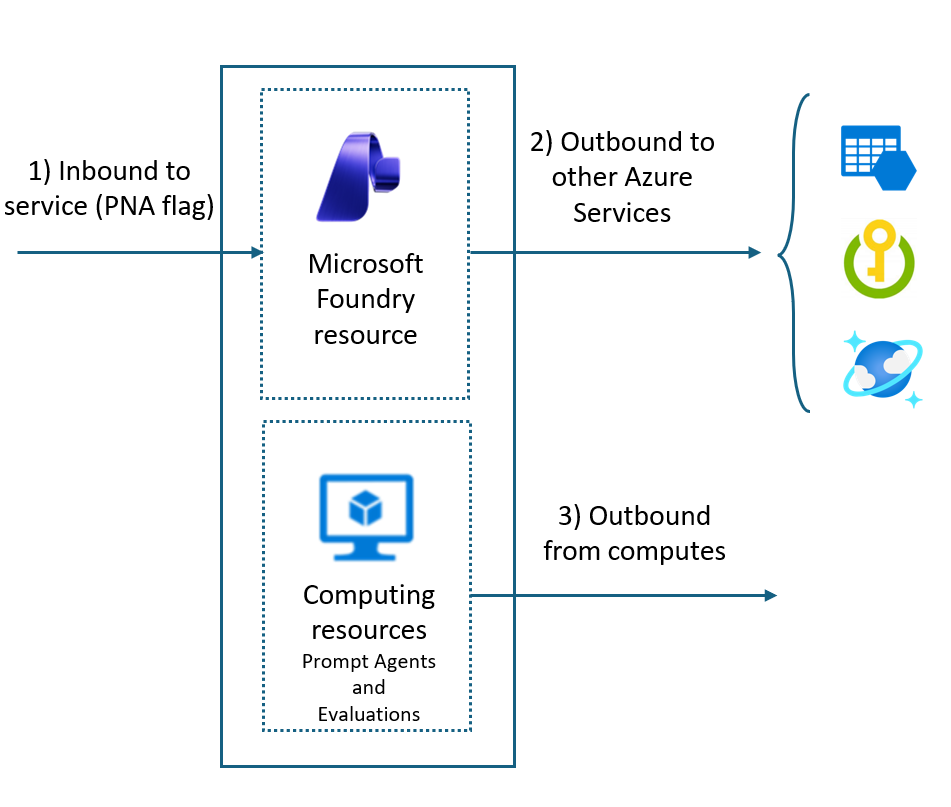
Foundry Control Plane routes between MAI models on based on policy

Agent 365 governs both venues through Entra, Defender and Purview

Scout is the first end-to-end proof that the pieces compose

Tiered routing cuts blended token cost from $18.40 to $2.31 per million

Read More
Tue, Jun 09, 2026
Share:   

RAG, Prompt Engineering, and Fine-Tuning: Choosing the Right AI Approach for Business Value

Overview

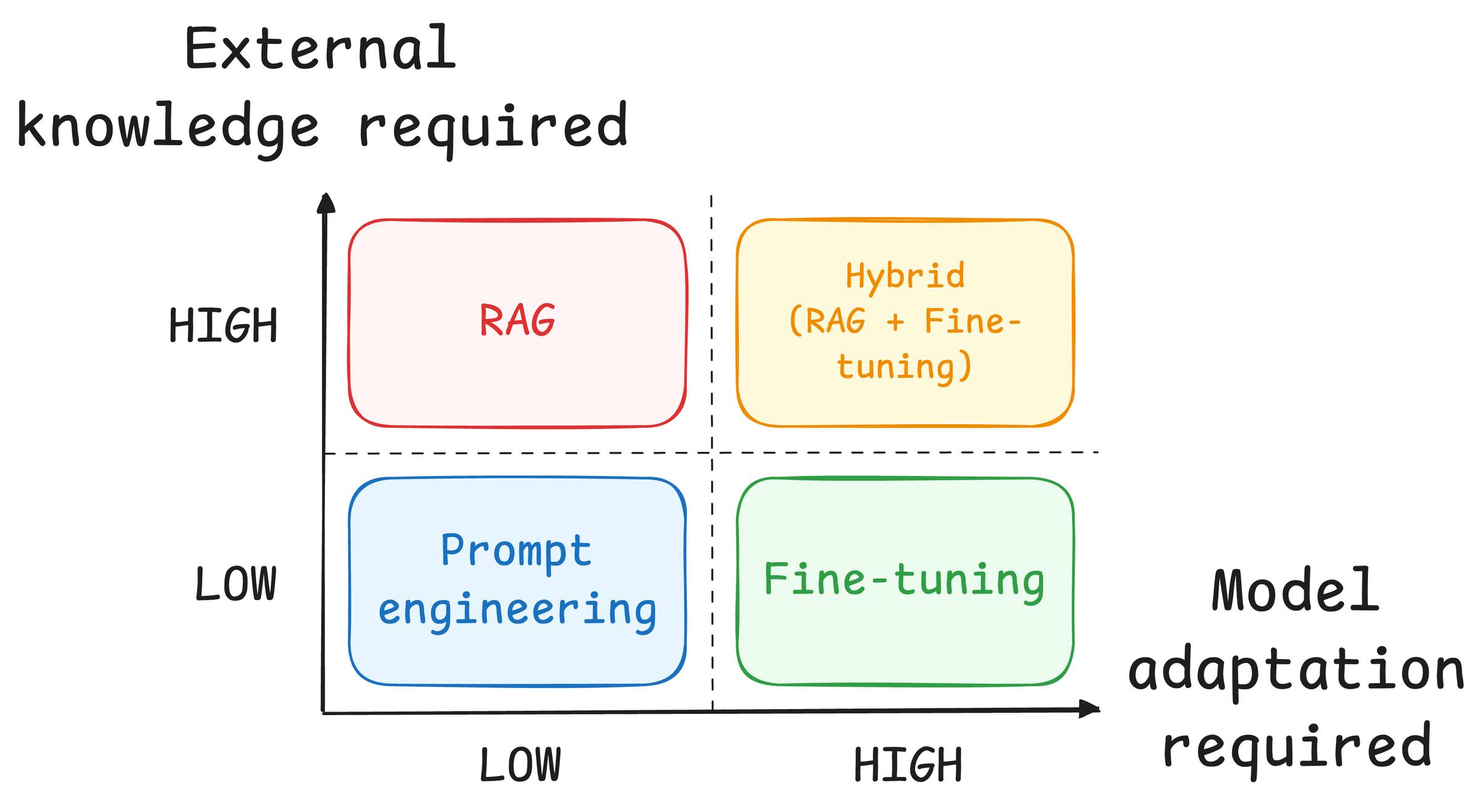
As organizations continue adopting generative AI, one of the most important decisions is understanding how to improve the quality, accuracy, and usefulness of AI outputs. Three common approaches are Retrieval-Augmented Generation, also known as RAG, prompt engineering, and fine-tuning. Each approach helps AI perform better, but they solve different problems and should be used for different business needs.

For executives and decision makers, the goal is not to choose the most technical option. The goal is to choose the approach that best aligns to the business outcome. Some organizations need AI to access current enterprise data. Others need better instructions and more consistent responses. Some need a model that is more deeply customized to a specific domain, workflow, or communication style. Understanding the difference between these approaches helps organizations invest in AI more strategically and avoid unnecessary complexity.

Retrieval-Augmented Generation

Read More
Mon, Jun 01, 2026
Share:   

Beyond Out-of-the-Box AI: How Fine-Tuning Drives Business Value


Overview

As organizations continue adopting generative AI, many leaders quickly realize that general-purpose AI models are not always optimized for their specific business needs. While large language models are powerful, they are typically trained on broad public datasets and may not fully understand an organization’s terminology, workflows, customer interactions, or industry-specific requirements.

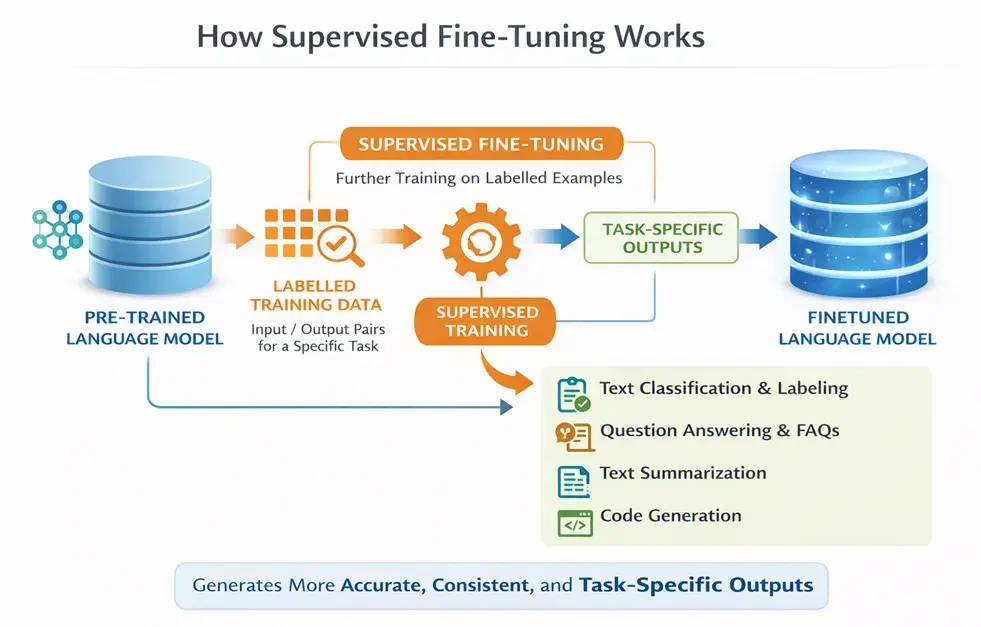
Fine-tuning helps solve this challenge by taking a pre-trained AI model and further adapting it using smaller, targeted datasets that are specific to the business or use case. Instead of building a model entirely from scratch, organizations can refine an existing model to improve accuracy, consistency, tone, and relevance for their environment.

For executives and decision makers, fine-tuning represents a way to move AI from being a general productivity tool into a more business-aware solution. It can help organizations improve customer experiences, streamline operations, create more accurate AI assistants, and better align AI outputs with internal policies and processes.

Common use cases include:

Read More
Mon, May 25, 2026
Share:   

Making AI Work for Your Business: The Role of RAG

Overview

As organizations adopt generative AI, one of the biggest challenges is making sure AI responses are accurate, relevant, and grounded in trusted business information. Large language models are powerful, but they do not automatically know your company’s policies, procedures, customer data, product documentation, or most current information.

Retrieval-Augmented Generation, or RAG, helps solve this problem by connecting AI to trusted knowledge sources before it generates a response. Instead of relying only on what the model was trained on, RAG retrieves relevant information, adds it as context, and allows the model to generate a more accurate and business-specific answer.

Why RAG Matters

Read More
Mon, May 18, 2026
Share:   

Fabric vs Databricks vs Snowflake: Choose the Platform That Fits Your Business

Overview

A September 24, 2025 MSSQLTips comparison of Microsoft Fabric, Databricks, and Snowflake made one thing clear: this is no longer a decision between narrowly defined tools. All three platforms now extend well beyond where they started, with overlap across data engineering, warehousing, AI, governance, and real-time workloads.

What stands out even more is timing. That comparison took place more than half a year ago, and these platforms continue to evolve rapidly. Microsoft continues to expand Fabric as an end-to-end SaaS platform, Databricks continues to deepen its lakehouse and AI capabilities, and Snowflake continues to broaden its cloud data platform story well beyond traditional warehousing.

This brings me back to one of the first things I learned in IT: it is okay to be biased about technology, as long as that bias is grounded in business reality. The best platform is not the one with the longest feature list. It is the one that best fits your people, your environment, and your ability to execute.

Quick Comparison

Read More
Mon, May 04, 2026
Share:   

Small Language Models vs. Large Language Models: Understanding the Business Value

Overview

As organizations scale their AI strategies, choosing between a small language model (SLM) and a large language model (LLM) becomes as much a business decision as a technical one. SLMs are typically valued for their efficiency, lower cost, and ability to perform targeted tasks well, while LLMs are better suited for broader reasoning, deeper context handling, and more advanced generative capabilities.

Read More
Mon, Apr 27, 2026
Share:   

Fabric Data Agent vs Fabric Operations Agent: Understanding the Difference


Overview

Microsoft Fabric continues to evolve beyond a unified analytics platform and into an agent-driven system that actively helps users understand data and operate systems. Two of the most important building blocks of this direction are Data Agents and Operations Agents. While both leverage AI, they serve very different purposes. One focuses on understanding data, and the other focuses on acting on real-time conditions. Together, they represent Microsoft’s shift toward embedding intelligence directly into analytics and operations rather than layering it on afterward.

What Data Agents Are Good At

Read More
Mon, Apr 13, 2026
Share:   

Microsoft Fabric Item Recovery (Soft Delete): What You Need to Know

Overview

As Microsoft Fabric environments mature and become more collaborative, the risk of accidental deletion increases. A data engineer cleaning up a workspace, an analyst removing unused assets, or a contributor misunderstanding dependencies can easily delete the wrong item. Until recently, that deletion was permanent.

Microsoft Fabric now introduces item-level recovery through soft delete, providing a critical safety net for supported Fabric items. This capability complements existing workspace retention and adds fine-grained protection at the item level.

Item recovery allows deleted items to be retained for a configurable period, during which authorized users can restore them or permanently delete them. This feature is currently available in preview and must be explicitly enabled at the tenant level.

Prerequisites and Configuration

Read More
Mon, Apr 06, 2026
Share: