
banner-why-daymark.jpg
Daymark IT Insights

Enterprise IT, cloud, security, and AI guidance from Daymark’s technology experts.

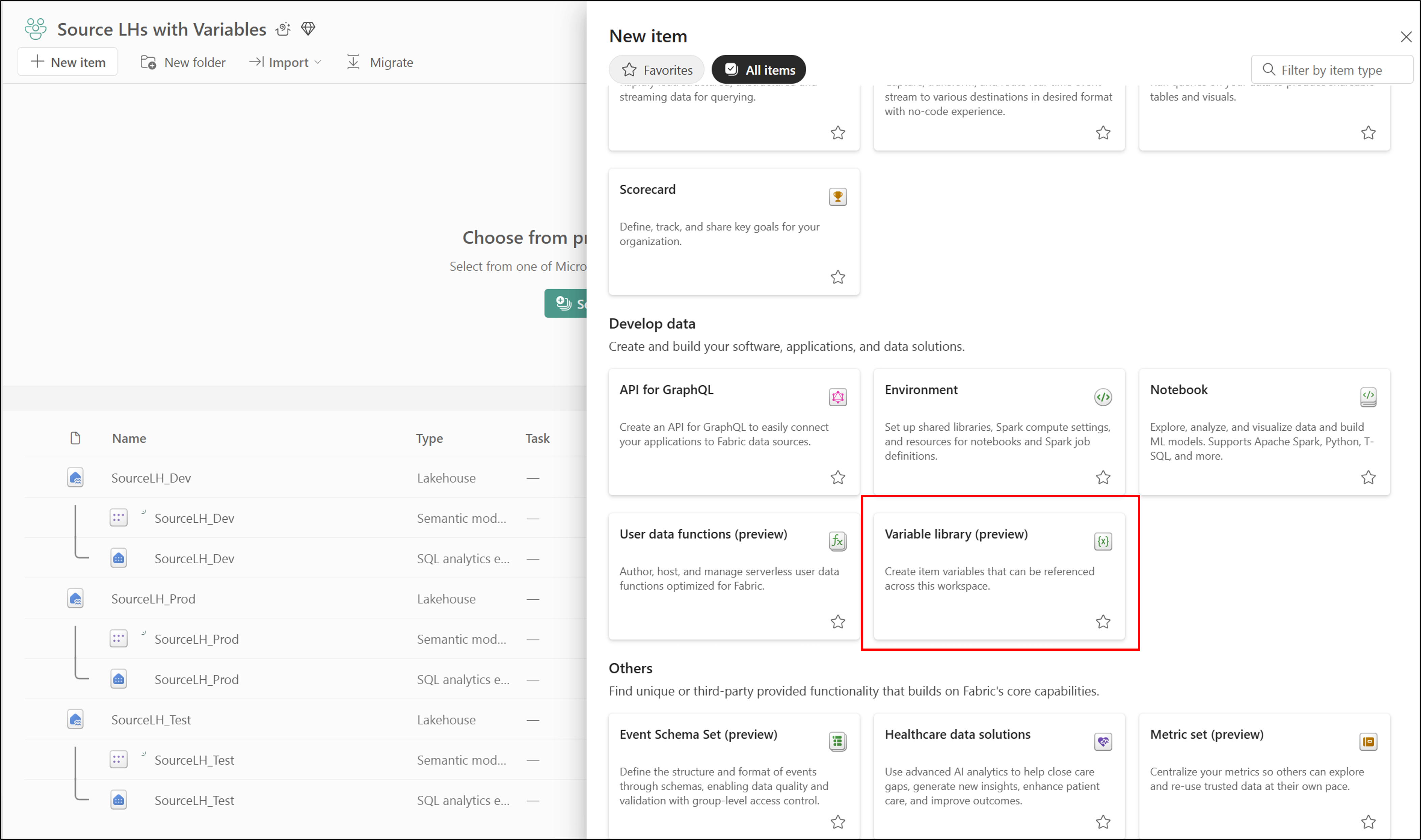
Empowering CI/CD and Collaboration with Microsoft Fabric’s Variable Library

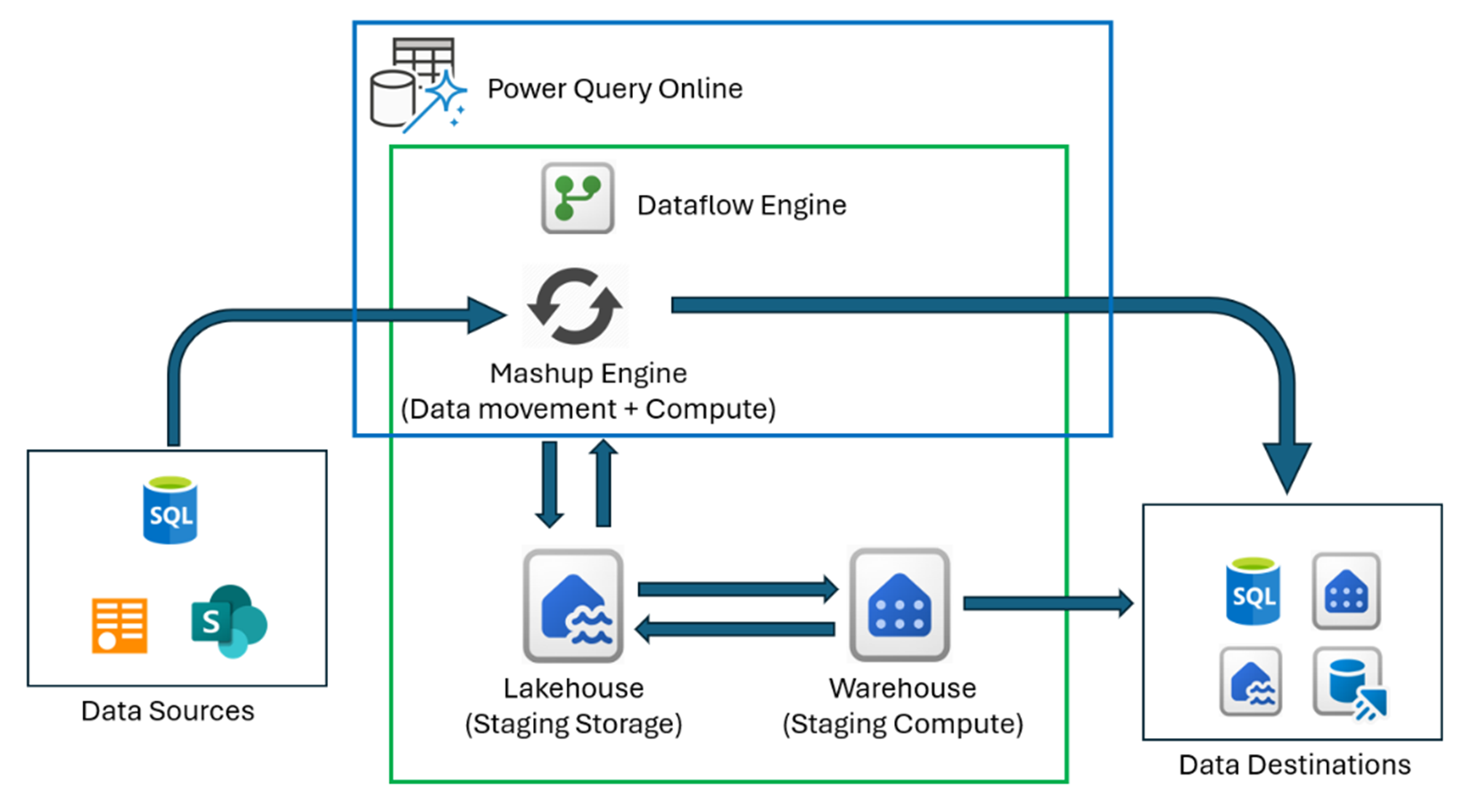
In today’s fast-paced business landscape, organizations rely on consistent, secure, and easily maintainable configurations across their data workflows. For enterprises working with Microsoft Fabric, managing these configurations in a way that scales across teams and environments can be challenging. The Fabric Variable Library, currently in preview, aims to solve this challenge by offering a centralized, secure, and flexible way to store and manage variables for use across pipelines, notebooks, and other Fabric artifacts.

This article explores the business use case for adopting the Fabric Variable Library, how it fits into CI/CD processes, and the value it brings to teams that need consistency and governance in their data and analytics operations.

Centralizing Configuration for Consistency

Read More
Mon, Aug 18, 2025
Share:   

Optimizing Your Data Architecture in Fabric with Delta Tables

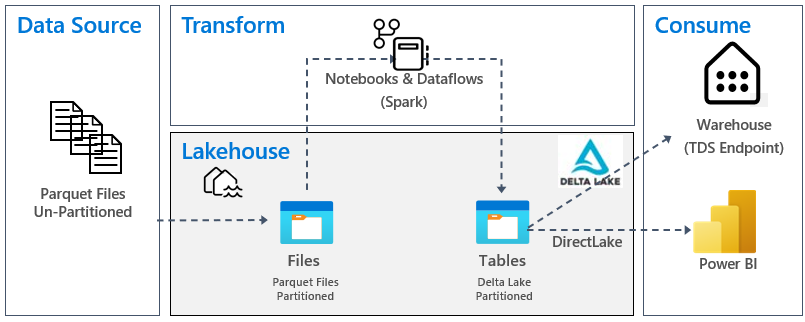
Delta Lake is an open-source storage framework that enables ACID transactions, schema enforcement, time travel, and unified batch and streaming processing on top of Parquet-based data lakes. Microsoft Fabric natively integrates Delta Lake into its ecosystem, ensuring that all data in OneLake is Delta Lake-compatible by default.

This design means all Fabric workloads, including Data Engineering, Data Science, Real-Time Analytics, and Power BI, interact with a consistent, versioned, and transactionally safe data foundation.

Why Delta Tables Matter in Microsoft Fabric

Read More
Mon, Aug 11, 2025
Share:   

Lakehouse vs. Warehouse in Microsoft Fabric: What’s the Difference?

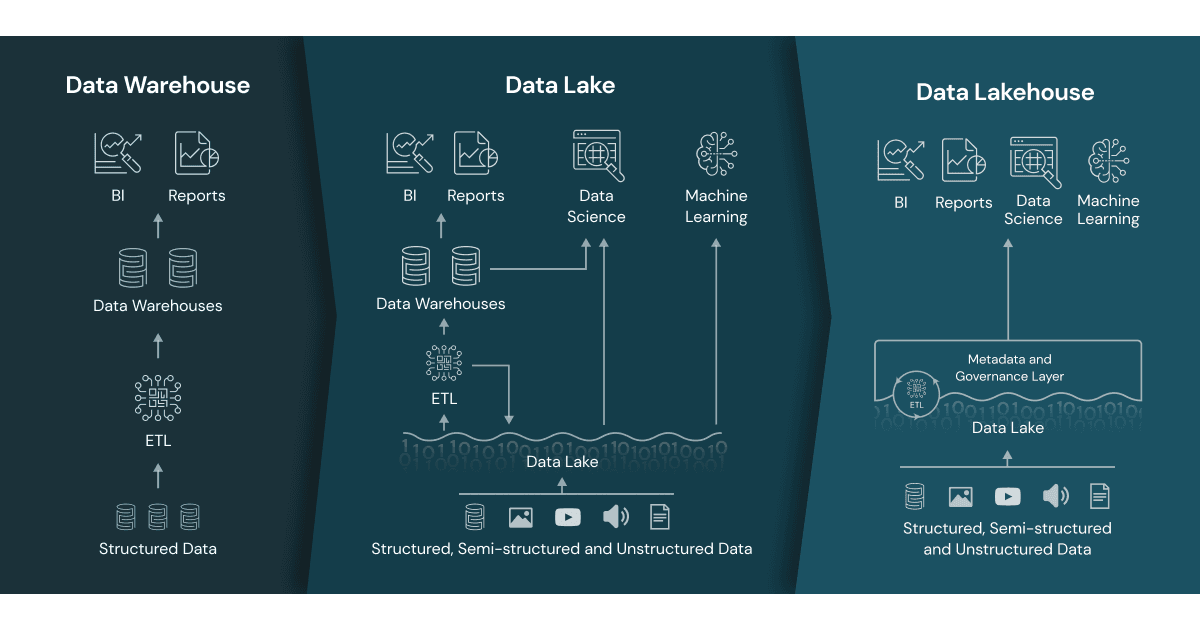
As organizations modernize their data platforms, Microsoft Fabric offers two powerful options for managing data workloads: the lakehouse and the data warehouse. Both are built on Delta Lake and integrate seamlessly with OneLake, Fabric’s unified data lake. While they share a common foundation, they are optimized for distinct personas, workloads, and data lifecycles.

Read More
Mon, Aug 04, 2025
Share:   

Unifying Governance and Insights: Microsoft Purview in Microsoft Fabric


In today’s data-driven economy, organizations are expected to leverage their data assets not only for strategic decision-making but also for regulatory compliance, security, and operational agility. With the exponential growth of data across services, platforms, and business units, maintaining visibility and control over an enterprise data estate is becoming more complex and more critical.

Enter Microsoft Purview in Microsoft Fabric: a unified solution that brings governance, compliance, and data insights into the center of your Microsoft ecosystem. With the integration of Microsoft Purview directly into Microsoft Fabric via the Purview Hub, businesses now have a single pane of glass to manage, monitor, and secure their data across the enterprise.

Centralized Data Governance for Fabric-Driven Organizations

The Microsoft Purview Hub, now available in preview, is a governance command center within Microsoft Fabric. Designed for Fabric administrators, it provides a comprehensive view of an organization's data landscape, offering insights into:

Read More
Mon, Jul 28, 2025
Share:   

Unlocking Business Value with Microsoft Fabric Data Agent

Overview: What Is the Fabric Data Agent?

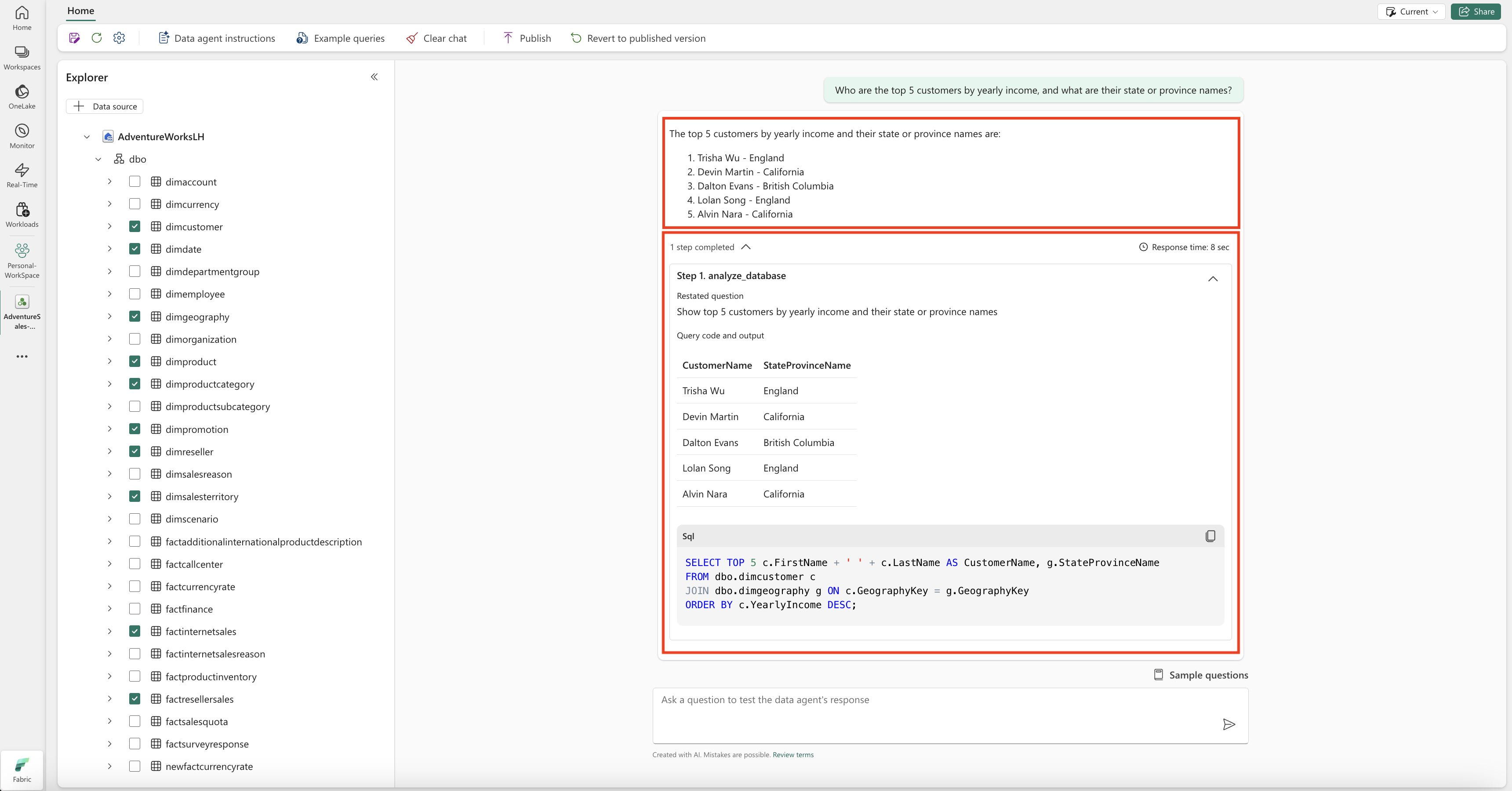
The Microsoft Fabric Data Agent is a built-in capability within Microsoft Fabric that allows organizations to create conversational, AI-powered Q&A systems over structured data stored in OneLake. It empowers users to ask plain-English questions and receive accurate, relevant answers directly from trusted datasets, without requiring coding, query languages, or advanced analytics knowledge.

By integrating generative AI with structured data sources, the Data Agent reduces friction between people and insights. This enables faster, smarter, and more inclusive decision-making across the business.

Key Business Use Cases

  1. Empower Non-Technical Users
Read More
Mon, Jul 21, 2025
Share: