

Overview
As organizations continue to build APIs for applications, integrations, AI platforms, and agents, managing those APIs becomes increasingly important. Whether you're exposing a custom business application, Azure Function, Logic App, or Azure AI Foundry model, simply publishing an endpoint is rarely enough. Organizations need a way to secure, govern, monitor, and scale API access without exposing backend services directly to end users and applications. This is where Azure API Management (APIM) comes in.
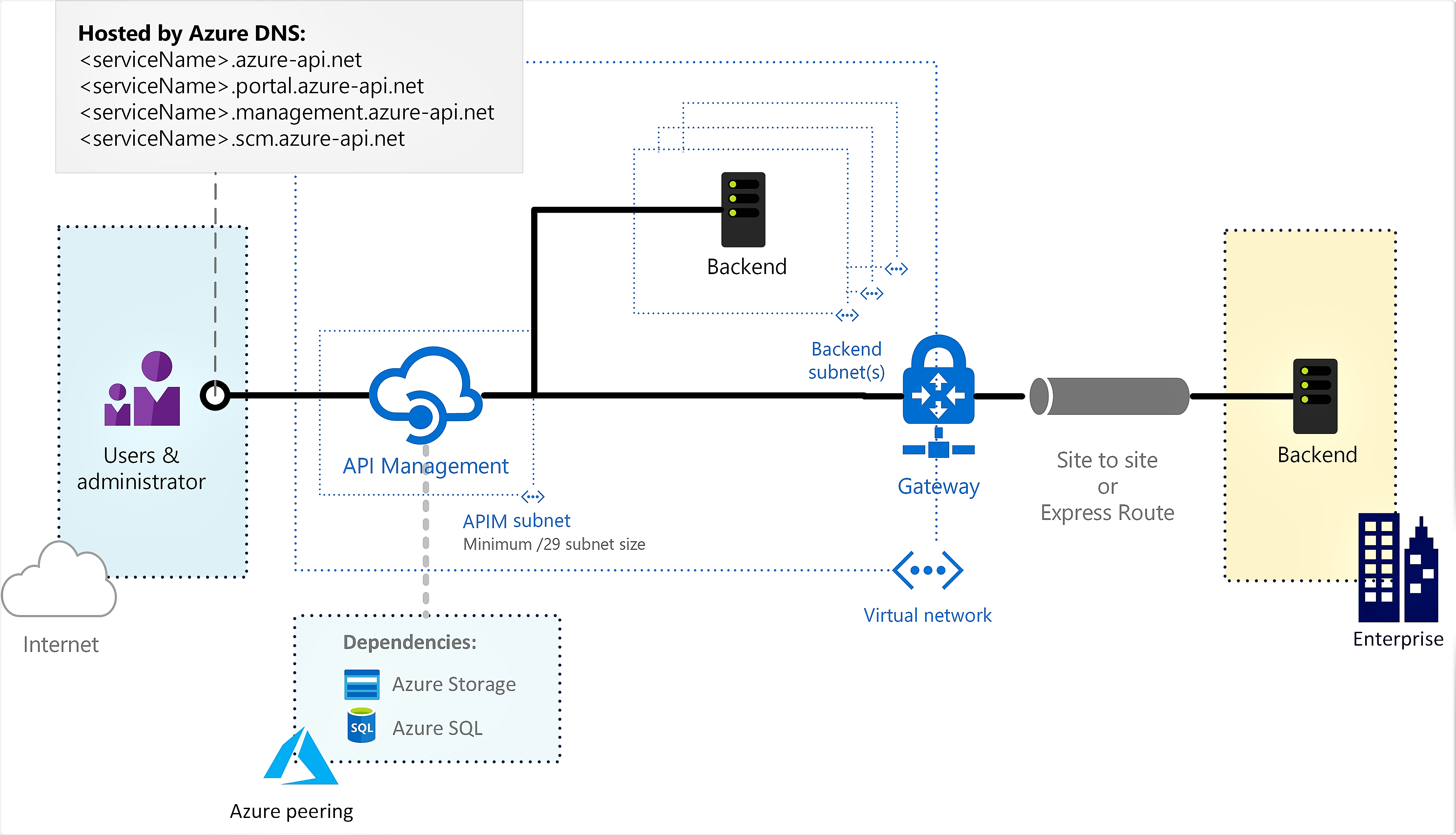
Azure API Management is Microsoft's fully managed API gateway and lifecycle management platform. It sits between your API consumers and your backend services, acting as a secure front door for API traffic. Rather than having multiple applications connect directly to backend systems, requests are routed through APIM where security policies, authentication, rate limits, logging, monitoring, and governance controls can be applied consistently.
For organizations investing in AI, APIM is becoming a critical component of production architectures. It allows teams to centralize access to Azure AI Foundry models, Azure OpenAI deployments, custom AI services, and internal APIs while maintaining visibility and control over who is using the service and how often.
Core Concepts and Common Use Cases
At a high level, Azure API Management acts as a gateway. Applications, agents, scripts, and users connect to APIM rather than directly to the backend service. APIM then handles authentication, authorization, routing, monitoring, logging, and policy enforcement before forwarding requests to the destination API.
What APIM Does Best
Azure API Management provides several key capabilities that are valuable across almost any API platform.
APIM is best for:
- Centralizing access to APIs.
- Protecting backend services from direct exposure.
- Managing API keys and subscriptions.
- Applying rate limiting and usage quotas.
- Implementing authentication and authorization policies.
- Monitoring API consumption and performance.
- Supporting internal, partner, and public-facing APIs.
- Creating a consistent governance layer across multiple backend services.
Many organizations initially adopt APIM for security, but they often discover that governance and visibility become equally important as their API footprint grows.
Using APIM with Azure AI Foundry
One of the most valuable modern use cases for APIM is securing and governing access to AI models.
A common architecture is to deploy a single model in Azure AI Foundry or Azure OpenAI and then place Azure API Management in front of it. Rather than distributing the native Foundry or OpenAI API keys to multiple development teams, APIM becomes the public endpoint that consumers interact with. The backend AI service remains hidden while APIM manages access.
This creates several advantages:
- Teams never receive direct access to backend AI keys.
- API keys can be rotated without impacting consumers.
- Different teams can receive different subscriptions.
- Usage can be tracked by business unit, application, or team.
- Rate limits can be customized per consumer.
- Access can be disabled immediately without affecting other consumers.
For example, a company might deploy a single GPT model in Azure AI Foundry and create separate APIM subscriptions for:
- Engineering
- Sales
- Marketing
- Customer Support
- External partners
Each subscription receives its own API key and consumption limits while connecting to the same backend model. This provides centralized governance while avoiding the overhead of deploying duplicate AI environments.
Final Thoughts
Azure API Management is often viewed as an API gateway, but its real value extends far beyond routing requests. It provides a centralized platform for securing, governing, monitoring, and scaling API usage across the organization. Whether you're exposing traditional business applications, custom services, Azure Functions, Logic Apps, or AI workloads, APIM helps transform APIs into managed enterprise assets rather than unmanaged endpoints.
For organizations adopting Azure AI Foundry, Azure OpenAI, Agent 365, or other AI platforms, API Management can become one of the most valuable architectural components. Deploying a single model and placing APIM in front of it allows organizations to create team-specific subscriptions, enforce quotas, monitor consumption, secure backend credentials, and maintain governance without duplicating AI resources. This approach enables faster adoption while reducing operational overhead and improving security.
Let's talk about how Azure API Management fits into your API and AI strategy. Whether you're exposing internal APIs, managing partner integrations, securing Azure AI Foundry deployments, or building a governed AI platform, APIM can provide the control, visibility, and security needed to scale confidently while protecting your backend services and data.