
banner-why-daymark.jpg
Daymark IT Insights

Enterprise IT, cloud, security, and AI guidance from Daymark’s technology experts.

Top 5 Reasons to Consider the Pure Storage Platform

Over 50% of all IT budgets moving forward will be allocated to AI, with 60% of IT time dedicated to focusing on it. Is your IT team prepared for this significant shift in the IT landscape? Balancing support for current applications while building a future-ready platform is critical. But how can you ensure the significant investments you’re making now won’t need to be repeated in just a few years?

Legacy storage just can’t handle modern demands. It wasn’t designed for hybrid, AI-driven operations. The result? Gaps in performance, security, and cost control that put your business at risk.

Read More
Wed, Sep 10, 2025
Share:   

AI Functions in Microsoft Fabric: A Practical Guide

Overview

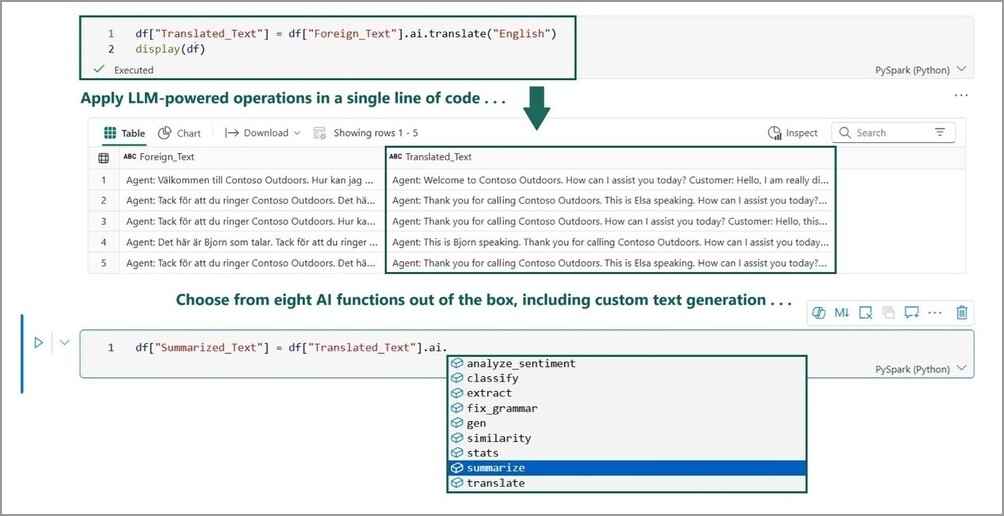
Artificial intelligence has a reputation for being complicated: long pipelines, endless model tuning, and the occasional meltdown when a library version is not "just right." Microsoft Fabric decided to skip all that drama. Enter AI Functions, a neat bundle of one-liners that let you summarize, classify, analyze, or translate text right inside your Fabric notebooks. Think of it as the IKEA version of AI: assembly required is basically zero, and the Allen wrench is already included.

What AI Functions Can Do

Instead of reinventing the wheel (or worse, downloading someone else’s badly coded one from GitHub), you get prebuilt functions that handle common tasks:

Read More
Mon, Sep 08, 2025
Share:   

Microsoft Fabric CMKs: A Game-Changer for Gov Cloud Readiness

Overview

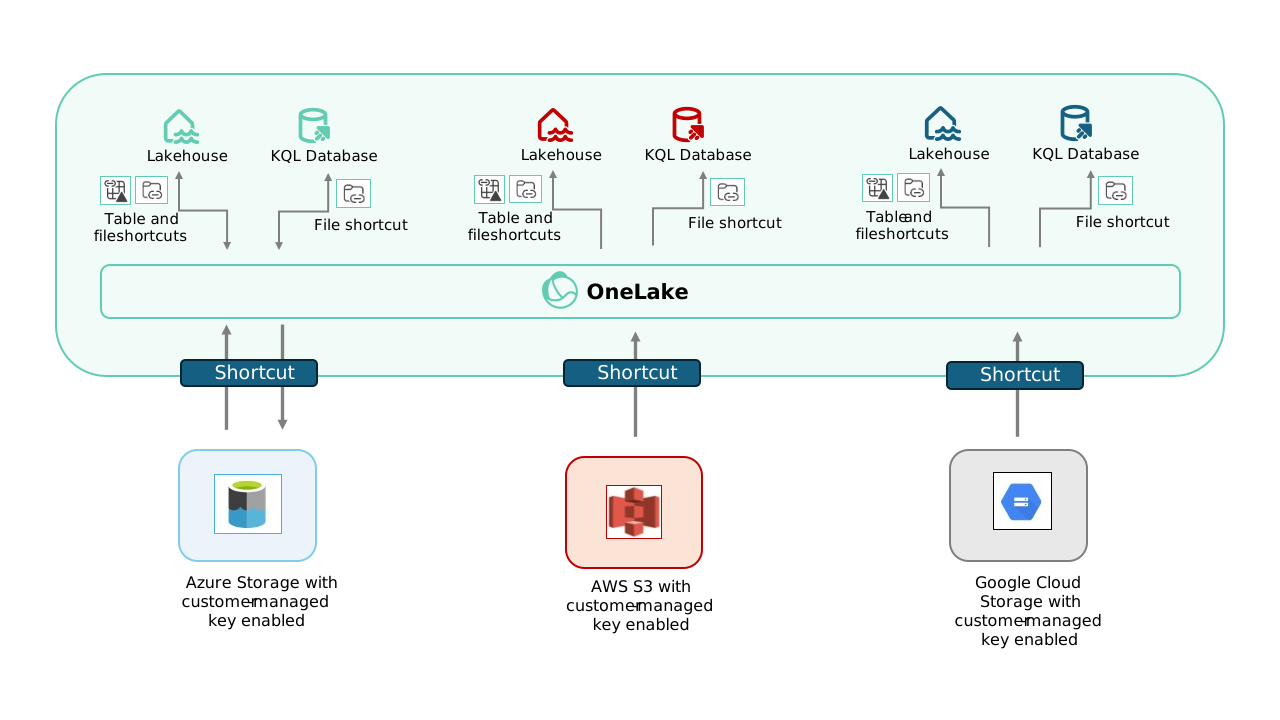
Microsoft Fabric continues to evolve, and the latest release of Customer Managed Keys (CMKs) is a big leap forward. For organizations watching closely for Fabric’s eventual arrival in Azure Government, this update is more than just a security checkbox. It is proof that Fabric is steadily aligning with compliance-heavy environments. Microsoft has made it clear through rep conversations and roadmaps that Fabric is expected to land in Azure Gov by late 2026. With CMKs now available, along with previously released features like Block Public Internet Access and Private Link Configuration, Fabric is building a compliance-ready foundation.

For Azure Government customers who must meet strict standards such as CMMC compliance, these new capabilities are essential. The message is clear: now is the time to start exploring Fabric in commercial tenants to prepare for the eventual Azure Gov rollout.

Why CMKs Matter

Read More
Tue, Sep 02, 2025
Share:   

Microsoft Fabric: Securing Data Today, Preparing for AI Tomorrow

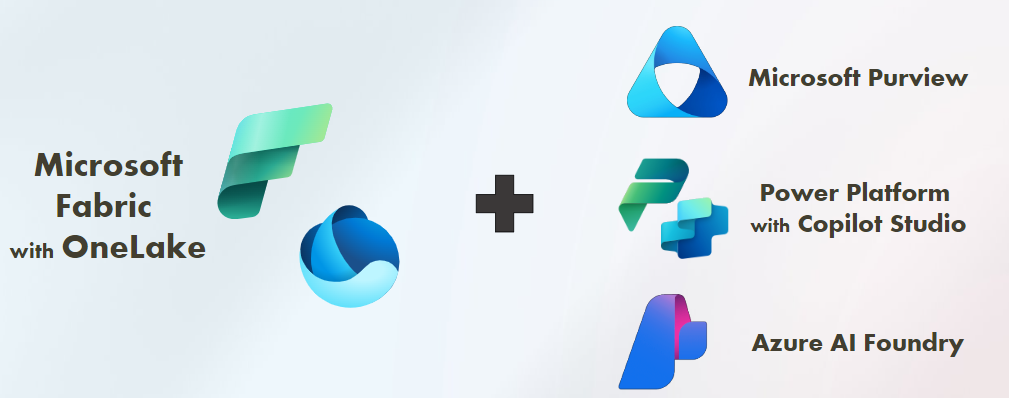
Many organizations are not moving to new data platforms because their existing pipelines are broken. The real challenge is that valuable data is often trapped in silos, spread across multiple systems, departments, and tools, making it hard to share, govern, and use effectively. In a world where data is the foundation for innovation, especially in the era of generative AI, the opportunity lies in bringing that data together, securing it, and making it ready for whatever comes next.

Microsoft Fabric offers exactly that. By unifying storage, governance, and analytics in a single, integrated platform, Fabric allows organizations to break down silos, strengthen security, and enable future-ready data strategies without disrupting the systems they already rely on.

OneLake: Your Single Source of Truth

Read More
Mon, Aug 25, 2025
Share:   

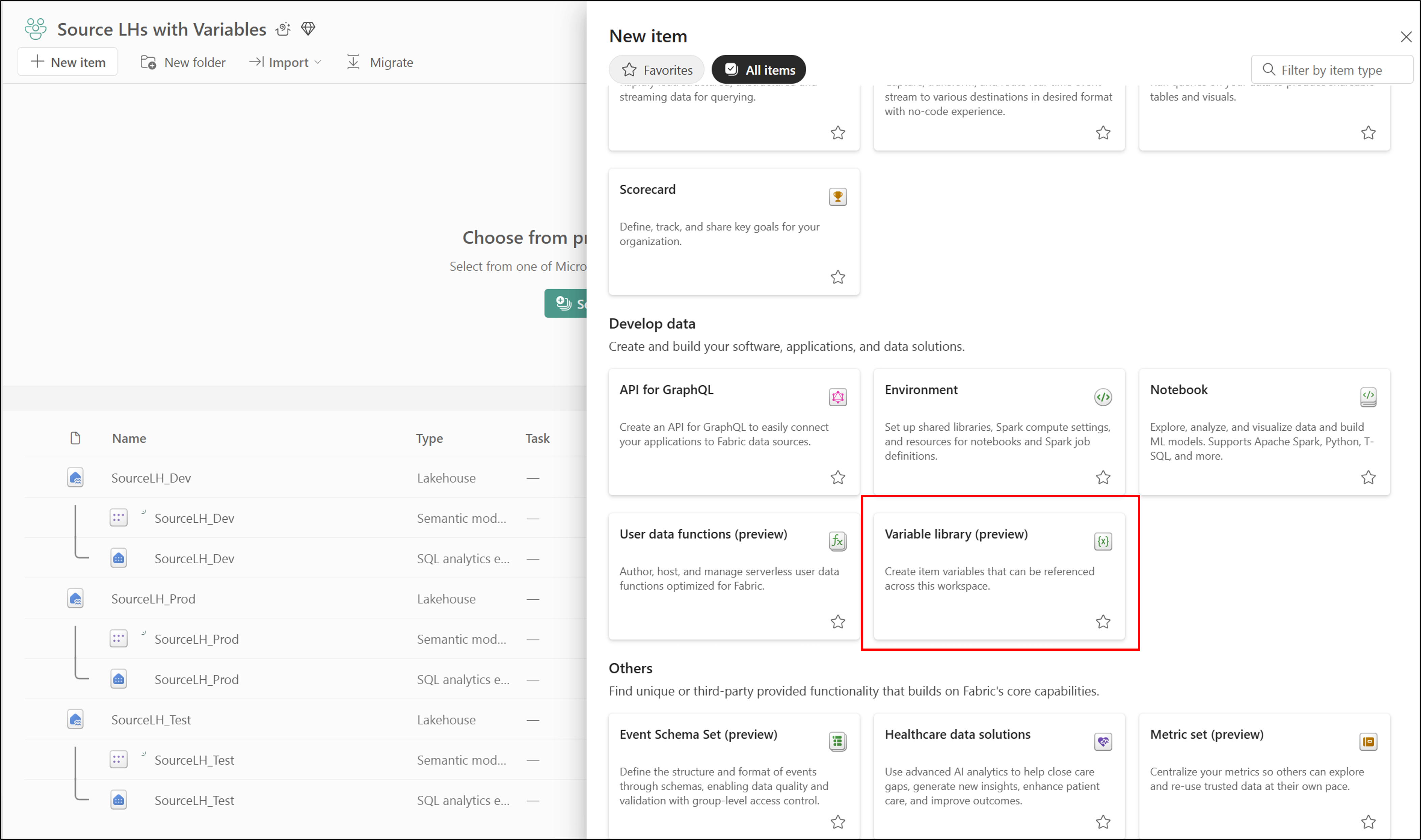
Empowering CI/CD and Collaboration with Microsoft Fabric’s Variable Library

In today’s fast-paced business landscape, organizations rely on consistent, secure, and easily maintainable configurations across their data workflows. For enterprises working with Microsoft Fabric, managing these configurations in a way that scales across teams and environments can be challenging. The Fabric Variable Library, currently in preview, aims to solve this challenge by offering a centralized, secure, and flexible way to store and manage variables for use across pipelines, notebooks, and other Fabric artifacts.

This article explores the business use case for adopting the Fabric Variable Library, how it fits into CI/CD processes, and the value it brings to teams that need consistency and governance in their data and analytics operations.

Centralizing Configuration for Consistency

Read More
Mon, Aug 18, 2025
Share:   

Optimizing Your Data Architecture in Fabric with Delta Tables

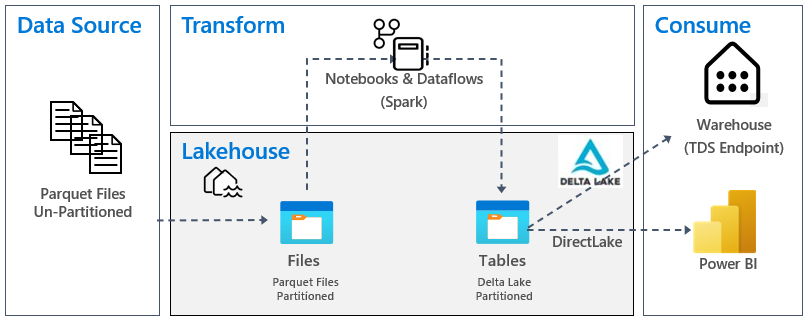
Delta Lake is an open-source storage framework that enables ACID transactions, schema enforcement, time travel, and unified batch and streaming processing on top of Parquet-based data lakes. Microsoft Fabric natively integrates Delta Lake into its ecosystem, ensuring that all data in OneLake is Delta Lake-compatible by default.

This design means all Fabric workloads, including Data Engineering, Data Science, Real-Time Analytics, and Power BI, interact with a consistent, versioned, and transactionally safe data foundation.

Why Delta Tables Matter in Microsoft Fabric

Read More
Mon, Aug 11, 2025
Share:   

Lakehouse vs. Warehouse in Microsoft Fabric: What’s the Difference?

As organizations modernize their data platforms, Microsoft Fabric offers two powerful options for managing data workloads: the lakehouse and the data warehouse. Both are built on Delta Lake and integrate seamlessly with OneLake, Fabric’s unified data lake. While they share a common foundation, they are optimized for distinct personas, workloads, and data lifecycles.

Read More
Mon, Aug 04, 2025
Share:   

Unifying Governance and Insights: Microsoft Purview in Microsoft Fabric


In today’s data-driven economy, organizations are expected to leverage their data assets not only for strategic decision-making but also for regulatory compliance, security, and operational agility. With the exponential growth of data across services, platforms, and business units, maintaining visibility and control over an enterprise data estate is becoming more complex and more critical.

Enter Microsoft Purview in Microsoft Fabric: a unified solution that brings governance, compliance, and data insights into the center of your Microsoft ecosystem. With the integration of Microsoft Purview directly into Microsoft Fabric via the Purview Hub, businesses now have a single pane of glass to manage, monitor, and secure their data across the enterprise.

Centralized Data Governance for Fabric-Driven Organizations

The Microsoft Purview Hub, now available in preview, is a governance command center within Microsoft Fabric. Designed for Fabric administrators, it provides a comprehensive view of an organization's data landscape, offering insights into:

Read More
Mon, Jul 28, 2025
Share:   

Unlocking Business Value with Microsoft Fabric Data Agent

Overview: What Is the Fabric Data Agent?

The Microsoft Fabric Data Agent is a built-in capability within Microsoft Fabric that allows organizations to create conversational, AI-powered Q&A systems over structured data stored in OneLake. It empowers users to ask plain-English questions and receive accurate, relevant answers directly from trusted datasets, without requiring coding, query languages, or advanced analytics knowledge.

By integrating generative AI with structured data sources, the Data Agent reduces friction between people and insights. This enables faster, smarter, and more inclusive decision-making across the business.

Key Business Use Cases

  1. Empower Non-Technical Users
Read More
Mon, Jul 21, 2025
Share:   

Email Bombing Protection

Microsoft is introducing a new detection capability in Microsoft Defender for Office 365 to help protect your organization from a growing threat known as email bombing. This form of abuse floods mailboxes with high volumes of email to obscure important messages or overwhelm systems. The new “Mail Bombing” detection will automatically identify and block these attacks, helping security teams maintain visibility into real threats.

Email bombing is a tactic to hide important emails by flooding your inbox with irrelevant ones. For instance, an attacker might order expensive items using your Amazon account and bury the confirmation emails. If you own a domain, they could be trying to transfer it. They may also hide transaction confirmations if they accessed your bank or financial accounts. Ultimately these attacks are designed to distract you, the target, from the “real” email they do not want you to see.

Read More
Wed, Jul 16, 2025
Share: