
banner-why-daymark.jpg
Daymark IT Insights

Enterprise IT, cloud, security, and AI guidance from Daymark’s technology experts.

Why You Should Migrate to Dataflow Gen2 in Microsoft Fabric


As more organizations seek greater flexibility and performance in their data pipelines, Microsoft's Dataflow Gen2, now part of Microsoft Fabric, offers compelling improvements over the legacy Dataflow Gen1 experience. If you’ve been using Gen1 for Power BI transformations, it may be time to consider moving your workloads.

Let’s explore the differences, the advantages of Gen2, and how to migrate efficiently using the import/export method.

Understanding the Evolution: Dataflow Gen1 vs Gen2

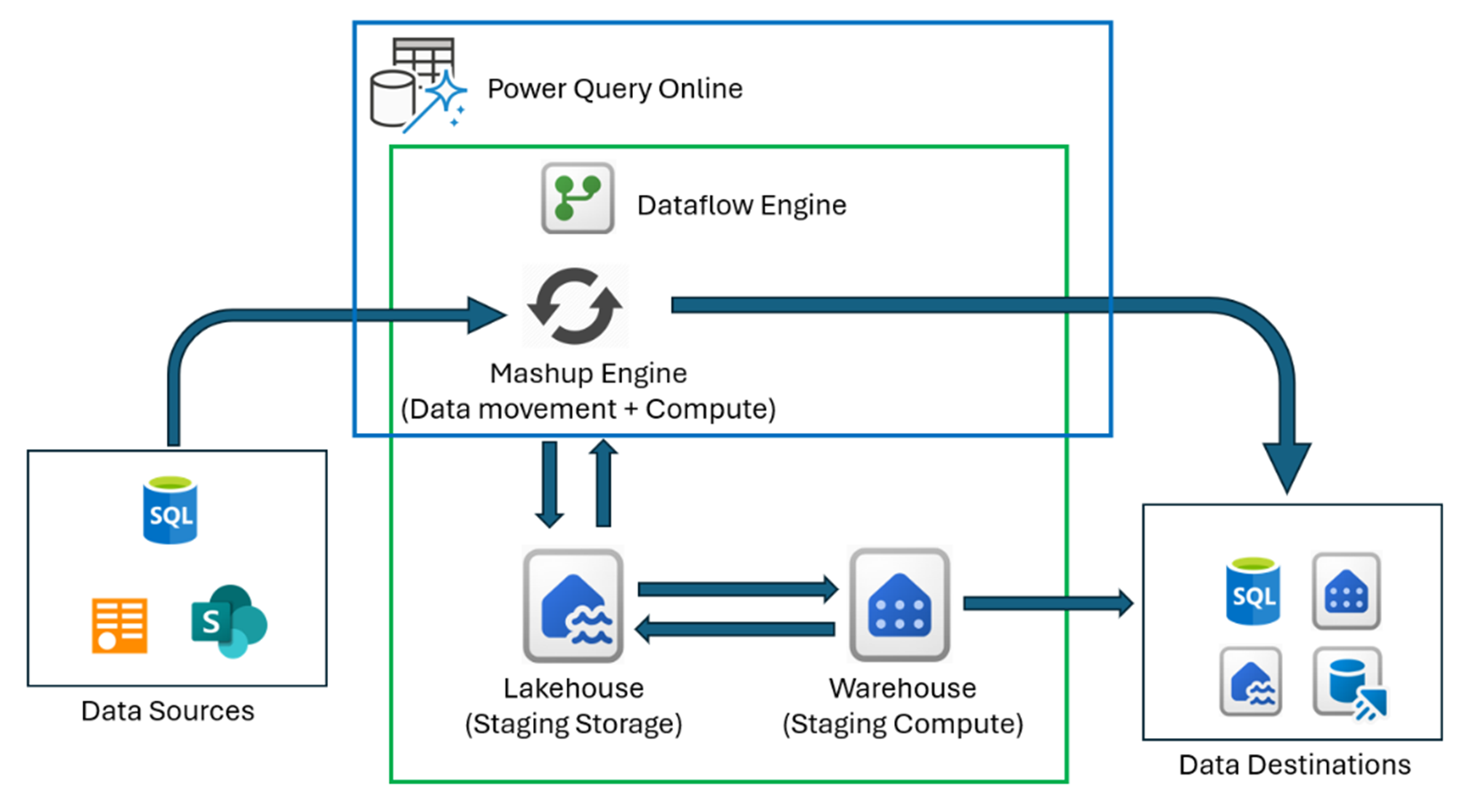
Dataflow Gen1 was introduced as part of Power BI to help users perform ETL (Extract, Transform, Load) operations with ease using Power Query. It allowed for cloud-based data prep at scale - but it came with several limitations that began to restrict enterprise use cases as demand grew.

Read More
Mon, Jul 14, 2025
Share:   

Rubrik Hybrid Identity Recovery - A New Defense for Identity

In today's threat landscape, identity is the new perimeter—and for most organizations, Microsoft Active Directory (AD) and Entra ID (formerly Azure AD) are that perimeter. When compromised, these systems expose everything: users, access, applications, and core business operations. For CISOs and IT leaders tasked with securing and sustaining identity services, traditional recovery methods often fall short—too slow, fragmented, or insecure for today's hybrid enterprises.

Rubrik’s Hybrid Identity Recovery delivers the speed, visibility, and resilience modern organizations require, enabling businesses to bounce back quickly from ransomware, insider threats, or operational failures—without reintroducing risk.

The Threat Landscape is Escalating:

Read More
Mon, Jul 07, 2025
Share:   

Modernizing Data Workflows with Microsoft Fabric: The Business Value of Integrating Azure Data Factory Pipelines


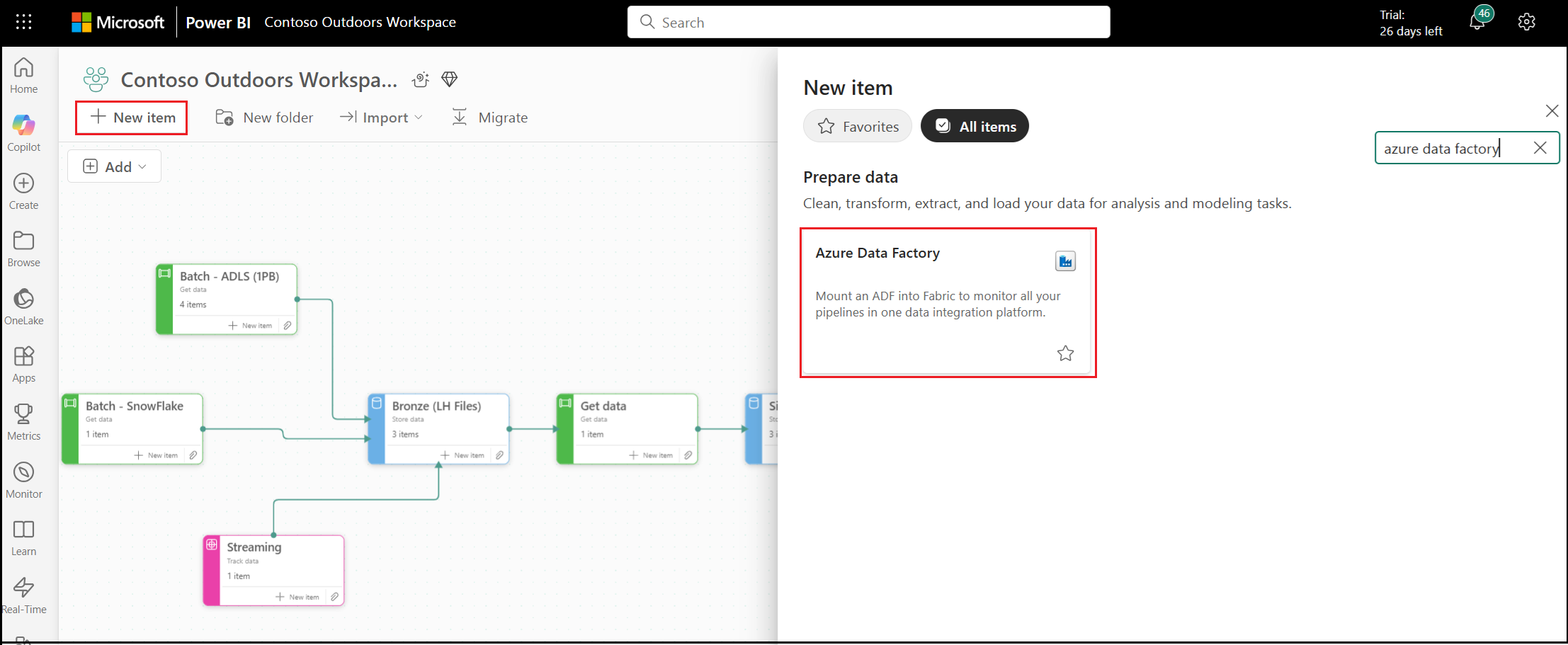
As organizations strive to become more data-driven, many face a common challenge: how to modernize data workflows without disrupting existing operations. Microsoft’s introduction of the Azure Data Factory (ADF) Item (Mount) capability within Microsoft Fabric provides a compelling answer. This integration offers a strategic bridge between legacy ADF implementations and the modern data stack enabled by Fabric, delivering both immediate and long-term business value.

Bridging Legacy and Innovation

The ADF Item (Mount) feature allows businesses to bring their existing Azure Data Factory pipelines into the Microsoft Fabric workspace without requiring migration or redevelopment. Rather than starting from scratch, teams can simply “mount” their pipelines into Fabric, allowing them to view, manage, and even edit those pipelines from within Fabric’s unified interface. This seamless integration means organizations can begin to adopt Fabric’s modern capabilities while maintaining the stability and familiarity of their current ADF setup.

Read More
Mon, Jul 07, 2025
Share:   

Microsoft 365 Upcoming "Secure by Default" Settings Changes

Microsoft is making changes to their Secure Future Initiative (SFI) and the principle of “Secure by Default.” The updates to Microsoft 365 default settings will strengthen your tenant’s security and meet essential benchmarks. These changes focus on addressing vulnerabilities associated with outdated authentication protocols and app access permissions that could increase risks to organizations.

When this will happen:

These changes will begin rolling out in mid-July 2025 and are expected to be completed by August 2025.

How this affects your organization

The following settings will be updated:

Read More
Wed, Jul 02, 2025
Share:   

Building Trust at Scale: Understanding Reliability in Microsoft Fabric


In an era where data powers decision-making, products, and customer experiences, the stakes for analytics platforms have never been higher. Enterprises need more than just performance, they need platforms that are dependable, recoverable, and built to withstand disruption. That’s why Microsoft Fabric, the unified analytics platform for modern data estates, puts reliability at its core.

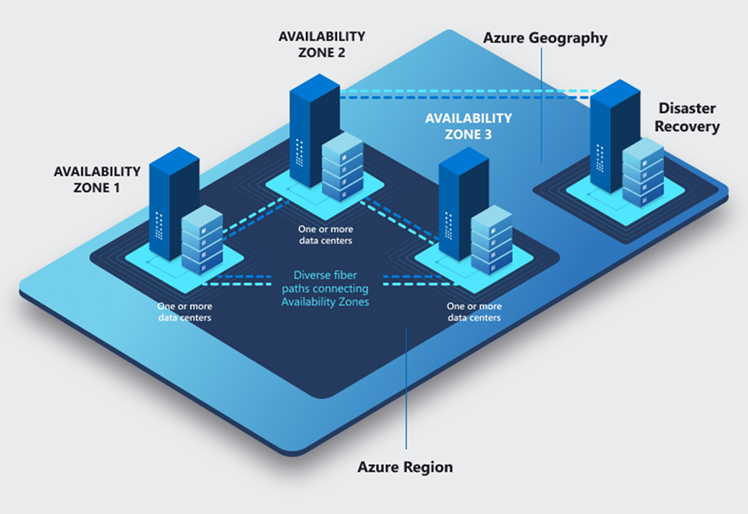
As detailed in Microsoft’s official reliability guidance, Fabric’s architecture and operational model are designed to deliver continuous service, protect against failure, and ensure business continuity for mission-critical workloads. But what makes this reliability possible?

Built on a Global Foundation: The Azure Backbone

The story of Fabric’s reliability begins with its infrastructure. Microsoft Fabric is built directly on Azure’s global backbone, benefiting from the same cloud infrastructure that powers services like Microsoft 365 and Azure itself. This gives Fabric access to a geographically distributed, enterprise-grade cloud platform with redundant compute, storage, and networking capabilities across continents.

Read More
Mon, Jun 30, 2025
Share:   

What Is the 48 CFR Rule and Why It Matters for CMMC 2.0 Compliance

The Cybersecurity Maturity Model Certification (CMMC) is on track to become a core requirement for defense contractors. However, before CMMC can be included in Department of Defense (DoD) contracts, a key regulation must take effect: Title 48 of the Code of Federal Regulations (48 CFR).

If your organization does business with the DoD—or hopes to—you need to understand this rule and how it will impact your eligibility to win and maintain government contracts.

What Is 48 CFR?

48 CFR is part of the Federal Acquisition Regulation (FAR) System, which governs how the federal government procures goods and services. Within this system, the Defense Federal Acquisition Regulation Supplement (DFARS) adds DoD-specific rules. The 48 CFR rule specifically integrates CMMC 2.0 into the DFARS. In short, this rule establishes cybersecurity requirements as a contractual obligation—not just policy guidance.

How 48 CFR Connects to CMMC 2.0

Read More
Mon, Jun 30, 2025
Share:   

OneLake: The OneDrive for Data


In the evolving landscape of data management, Microsoft has unveiled a bold vision with OneLake, a central pillar of Microsoft Fabric. Often described as "the OneDrive for data," OneLake aims to simplify, unify, and accelerate data access and collaboration across the entire enterprise, regardless of tool, format, or platform.

What Is OneLake?

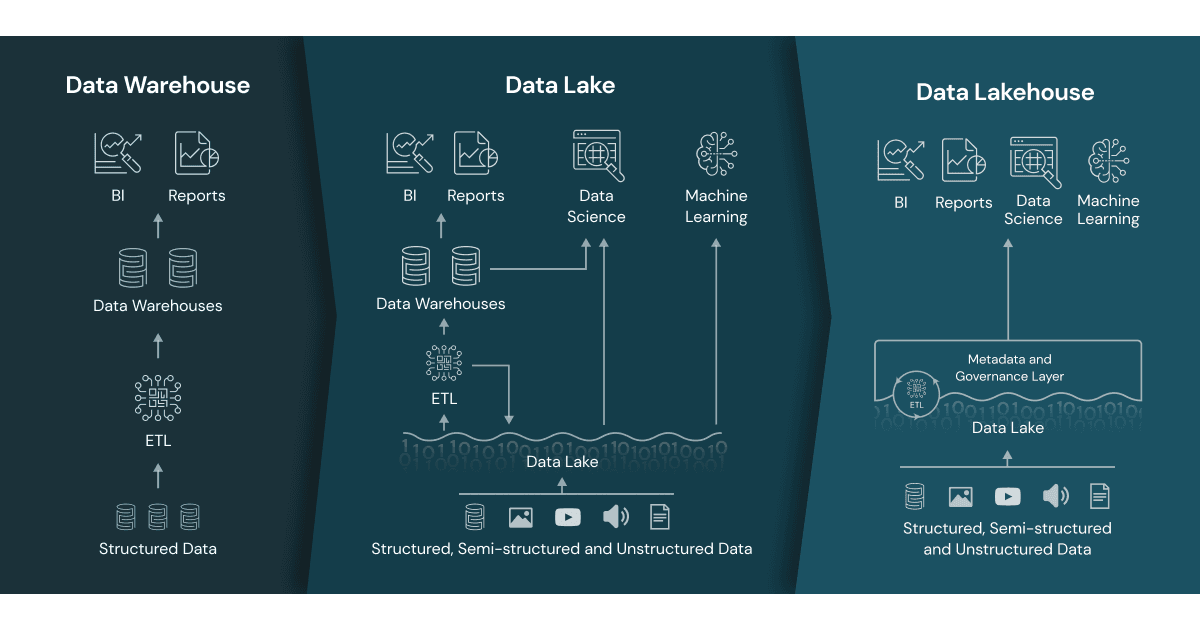
OneLake is a single, unified, multi-cloud data lake built into Microsoft Fabric. It acts as a central storage layer for all data workloads, seamlessly integrating with tools like Power BI, Synapse, and Data Factory. Just like OneDrive abstracts file storage for documents, OneLake abstracts and simplifies access to structured and unstructured data at scale.

With OneLake, organizations no longer need to manage multiple data lakes for different services or business units. Instead, they get a single logical lake for the entire Microsoft tenant, providing consistent access control, governance, and performance optimization out-of-the-box.

Key Features

Read More
Mon, Jun 23, 2025
Share:   

Pure Storage AI Copilot for Rapid Storage Insights

Pure recently launched its Pure Storage AI Copilot, which uses telemetry and AI models to assist IT teams in diagnosing performance issues, detecting security incidents such as ransomware, and simplifying storage management. This natural language assistant enables customers to check array performance, identify capacity concerns, and assess data security compared to their peers. It offers a significant advancement in troubleshooting and remediation for storage administrators.

AI Copilot Key Capabilities:

  • Natural Language/Conversational Interface
    Ask plain-English questions (e.g., “Which volumes have high latency?”) and receive clear, actionable answers and remediation steps.
  • Troubleshooting
    Automatically diagnoses storage performance issues such as latency, utilization, or hardware issues through step-by-step AI-guided analysis.
  • Cyber Resilience & Security
Read More
Thu, Jun 19, 2025
Share:   

Microsoft Fabric vs. Azure Synapse: What’s the Difference, What’s Changing, and What You Can Migrate

With the rise of Microsoft Fabric as a next-generation data platform, many organizations that currently rely on Azure Synapse Analytics are wondering how the two platforms compare and what the future holds. Are they competing products? Is Synapse being phased out? And if you're already invested in Synapse, can you migrate to Fabric?

The short answers: they're built differently, Synapse is here to stay (for now), and some migration paths do exist. Let’s explore what that means in practice.

A Tale of Two Platforms

At a high level, both Microsoft Fabric and Azure Synapse aim to solve the same fundamental challenge: helping organizations turn raw data into actionable insights. But the way they go about it is fundamentally different.

Read More
Mon, Jun 16, 2025
Share:   

Copilot in Power BI Now Available Across All Microsoft Fabric Capacities

Microsoft has officially announced that Copilot in Power BI is now supported across all Microsoft Fabric capacities, marking a major milestone in the integration of generative AI with business intelligence. This expansion empowers users to harness AI-driven insights and report generation, no matter what capacity their organization is operating within, eliminating prior limitations and making this powerful feature universally accessible within the Fabric ecosystem.

Although this update rolled out a few months ago, it's a game-changing shift that still deserves attention today especially for organizations now fully embracing Copilot’s capabilities.

What This Means for Power BI Users

Read More
Mon, Jun 09, 2025
Share: