
banner-why-daymark.jpg
Daymark IT Insights

Enterprise IT, cloud, security, and AI guidance from Daymark’s technology experts.

Windows 365 for Agents: The Execution Layer for Enterprise AI

Overview

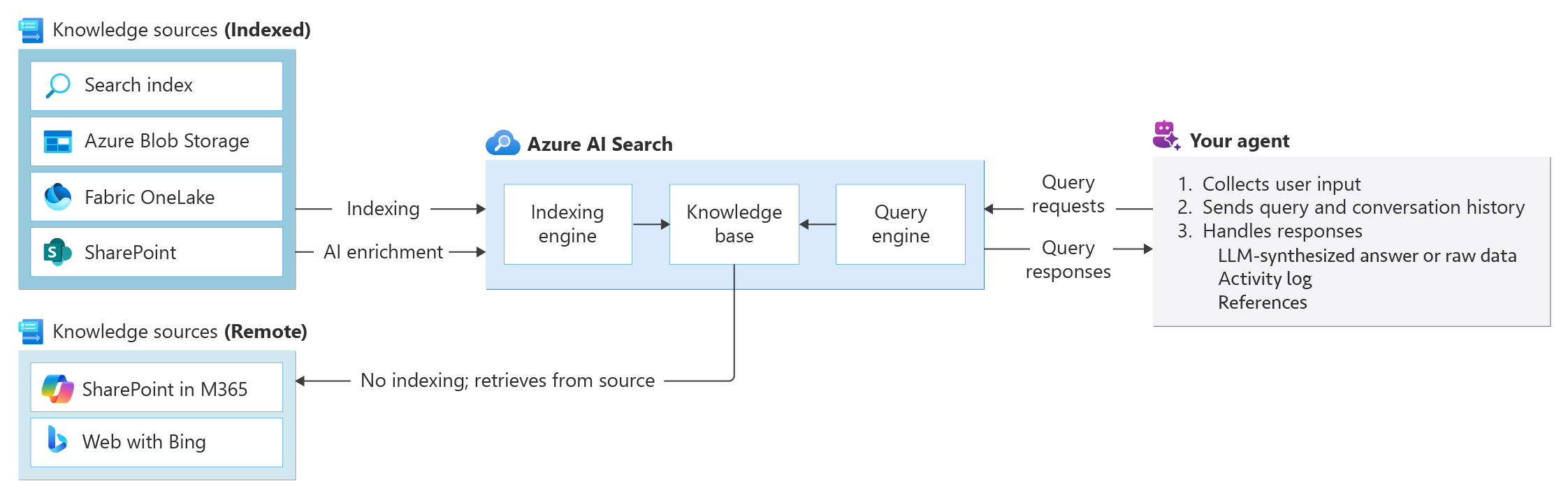
As organizations begin adopting autonomous agents through Microsoft Copilot, Agent 365, and Copilot Studio, a new challenge emerges: where do those agents actually perform work? While modern AI models are excellent at reasoning, planning, and orchestrating tasks, many business processes still require interacting with applications, websites, files, and systems that were designed for humans. This is where Windows 365 for Agents comes into play.

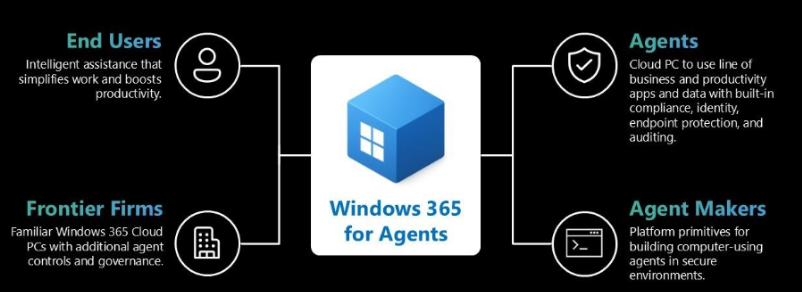
Windows 365 for Agents introduces a new class of Cloud PCs designed specifically for AI agents. Built on the same Windows 365 platform used by Windows 365 Enterprise and Business, it provides agents with secure, scalable Windows environments where they can perform real work. Agents can launch applications, navigate web pages, manipulate files, interact with legacy systems, and execute tasks that may not have modern APIs available. This allows organizations to expand agent capabilities far beyond simple API-based automation while maintaining enterprise security, governance, and compliance controls.

How Windows 365 for Agents Works

Read More
Mon, Aug 24, 2026
Share:   

M365 Copilot Cowork Cost Management: Balancing Flexibility, Control, and Scale

Overview

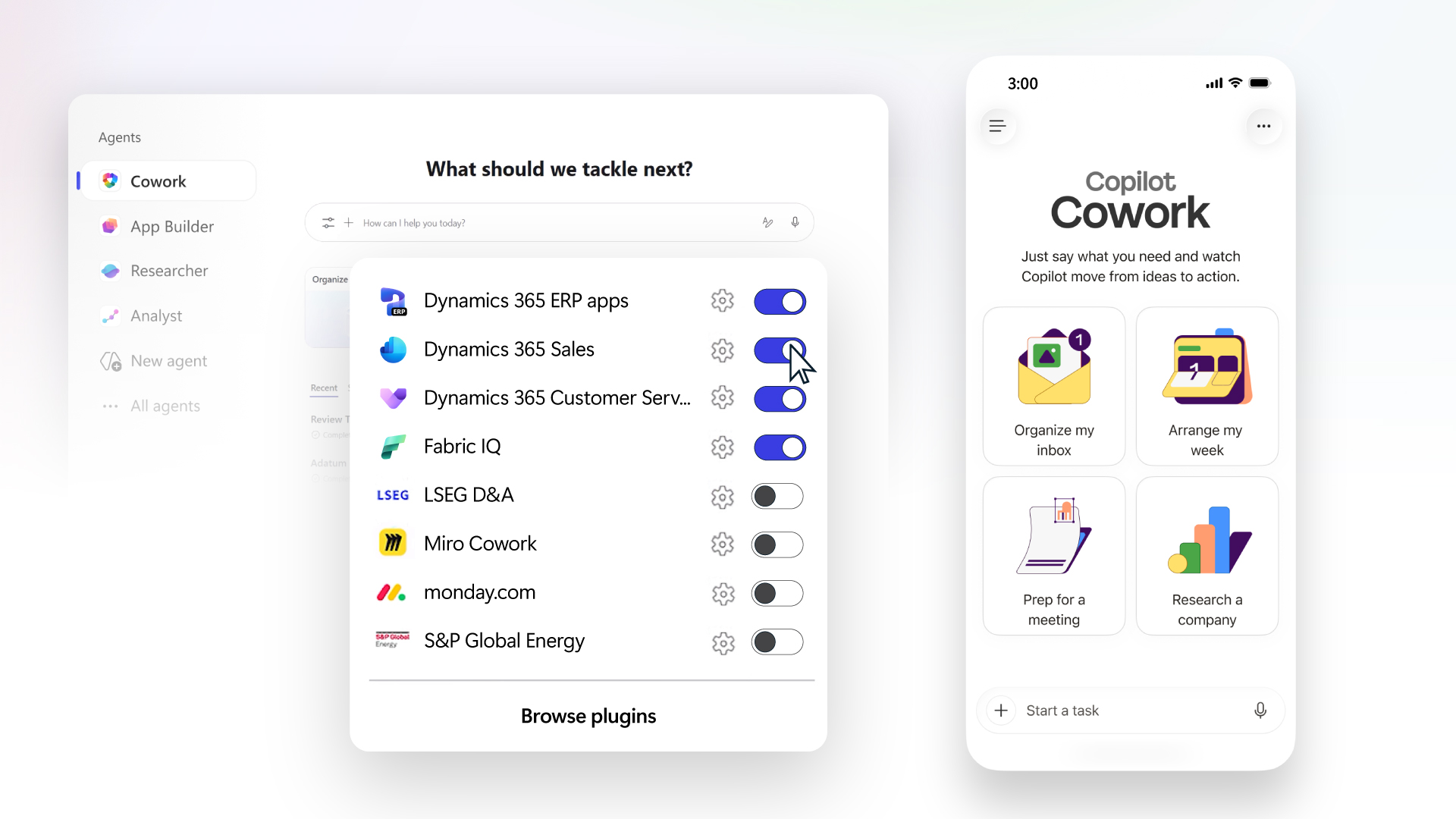
As organizations begin adopting Microsoft 365 Copilot Cowork, one of the first questions that arises is not whether the technology can deliver value, but how to manage the associated costs. Unlike traditional Microsoft 365 licensing, Copilot Cowork operates on a usage-based billing model, allowing organizations to pay based on actual consumption rather than purchasing fixed licenses for every user. This approach provides flexibility, but it also introduces the need for governance, monitoring, and cost controls.

Microsoft measures Cowork consumption using Copilot Credits, a common currency used across several Microsoft AI services. Organizations can connect Cowork to an Azure subscription using a pay-as-you-go model, purchase prepaid capacity in the form of Copilot credit packs, and implement spending controls for users and groups. When managed correctly, these options provide the flexibility to scale AI adoption while maintaining predictable costs and organizational oversight.

PAYG vs. Credit Packs and Usage Controls

Read More
Mon, Aug 17, 2026
Share:   

Microsoft 365 Copilot Chat vs. Copilot Cowork: What's the Difference?

Overview

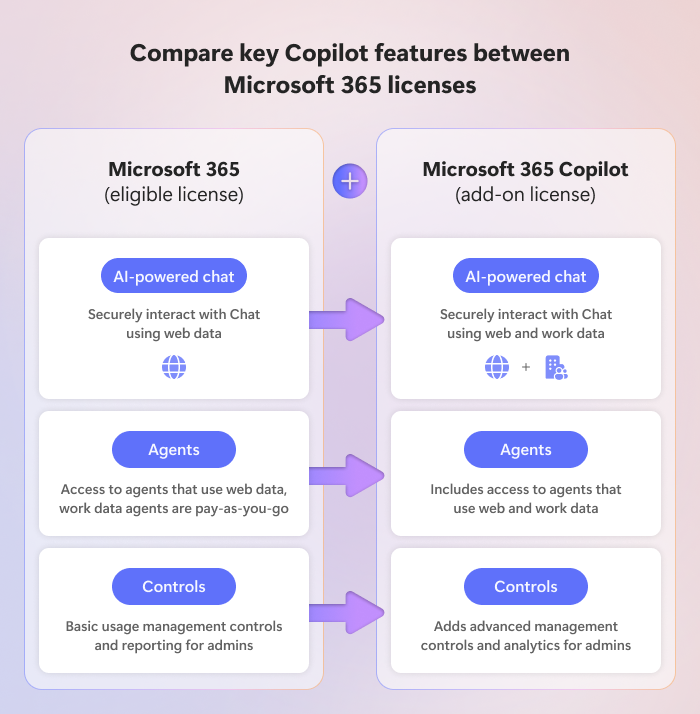
As Microsoft continues to expand its AI capabilities, organizations now have multiple ways to leverage AI within Microsoft 365. At the center of this evolution is Microsoft 365 Copilot, Microsoft's enterprise AI platform that combines large language models, Microsoft 365 applications, organizational data, and enterprise security controls to help employees work more efficiently. Depending on licensing and configuration, users can interact with AI through conversational experiences, embedded productivity tools, agents, and task automation capabilities.

Within this ecosystem, Copilot Chat and Copilot Cowork represent two different approaches to AI-driven productivity. Copilot Chat focuses on helping users find information, generate content, analyze documents, and interact with AI through natural language conversations. Copilot Cowork extends beyond conversation by performing tasks and coordinating work across Microsoft 365 services, helping users move from ideas and requests to completed outcomes.

Copilot Chat vs. Copilot Cowork

Read More
Mon, Aug 10, 2026
Share:   

The CMMC Clock Didn't Stop—It Just Hit Pause

CMMC Phase 2 Is Paused—Your Cybersecurity Efforts Shouldn't Be

On July 13, 2026, the U.S. Department of Defense recently announced a temporary suspension of CMMC Phase 2 requirements while launching a 60-day review of the program under a newly appointed Task Force. Although the announcement has understandably created uncertainty across the Defense Industrial Base (DIB), organizations should recognize that this is a review of the certification program—not a rollback of cybersecurity requirements.

For defense contractors, the message is clear: the expectation to protect Controlled Unclassified Information (CUI) has not changed. This temporary pause provides an opportunity to strengthen your cybersecurity posture and prepare for what will almost certainly be the next phase of CMMC implementation.


What Has Changed?

Read More
Wed, Aug 05, 2026
Share:   

Microsoft Agent 365: Bringing Identity, Governance, and Security to AI Agents

Overview

AI agents are quickly evolving from isolated experiments into digital workers that can access data, invoke tools, automate processes, and collaborate with employees. As the number of agents grows, organizations need a consistent way to understand which agents exist, what resources they can access, and how their activities are governed.

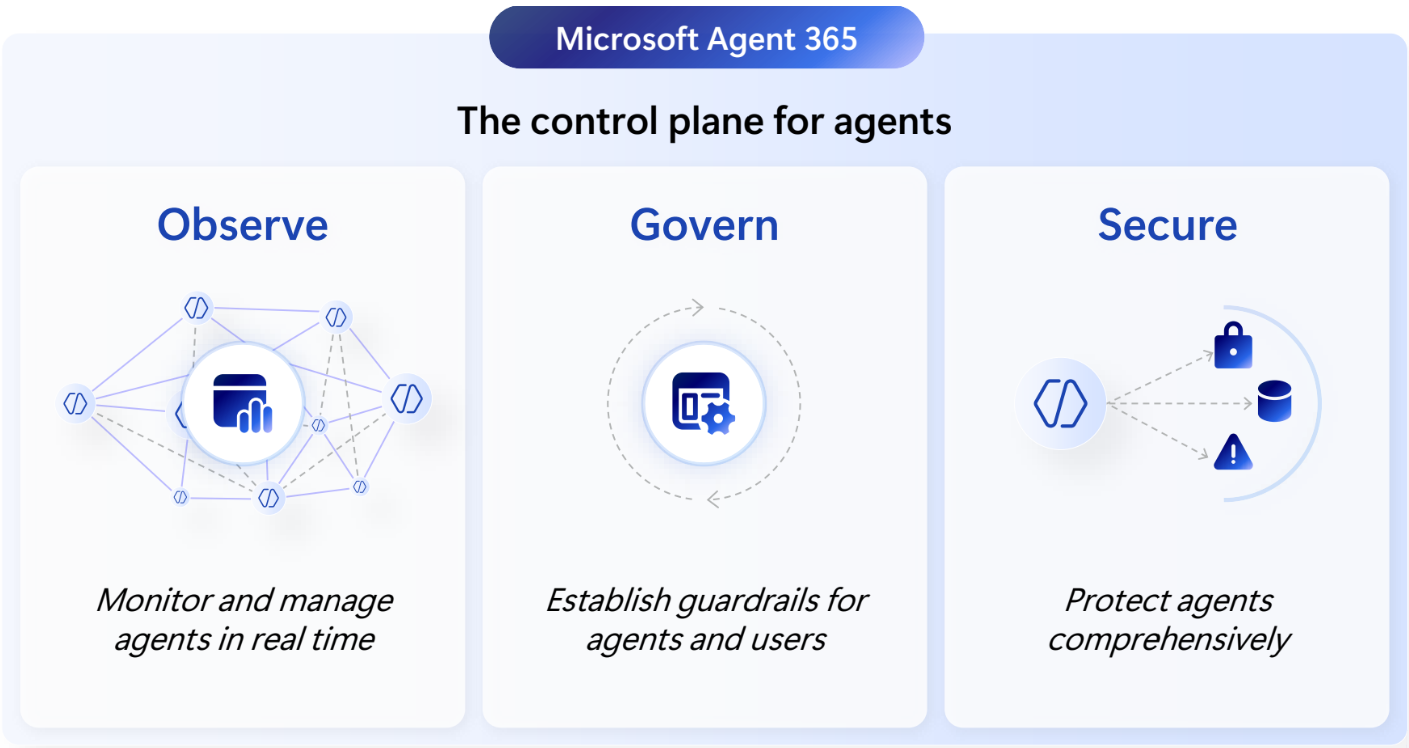
Microsoft Agent 365 provides a unified control plane for observing, governing, and securing AI agents across the enterprise. It is designed to support agents built with Microsoft platforms such as Microsoft Foundry and Copilot Studio, as well as agents from third-party platforms and partner ecosystems. This gives IT and security teams a centralized way to manage agents regardless of where they were created.

How Microsoft Agent 365 Works

Read More
Mon, Aug 03, 2026
Share:   

Microsoft 365 E5 vs E7: Preparing for the AI Era

Overview

Microsoft 365 E5 has long been Microsoft’s premium enterprise offering, combining productivity, advanced security, compliance, identity, and analytics capabilities. Microsoft 365 E7 builds on that foundation by adding the AI, agent management, and identity security capabilities organizations need as they adopt Copilot and deploy AI agents at scale.

Microsoft 365 E5 is priced at $60 per user, per month, while Microsoft 365 E7 is $99 per user, per month, based on an annual commitment. E7 includes everything in E5, plus Microsoft 365 Copilot, Microsoft Agent 365, and the full Microsoft Entra Suite.

Microsoft 365 E5

Read More
Mon, Jul 27, 2026
Share:   

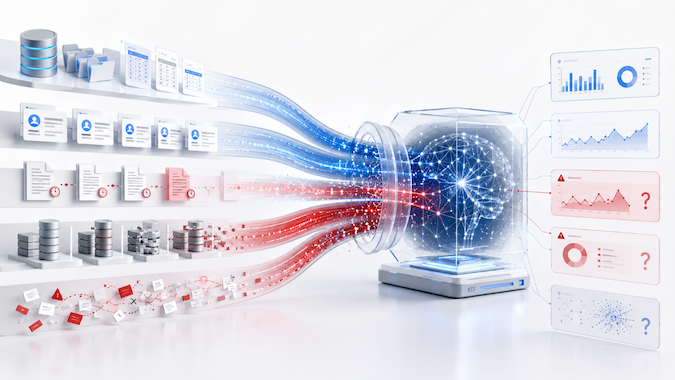
Your AI Initiative is Only as Good as the Data Behind It

The biggest risk to your AI program isn't the model you chose. It's the duplicate records, stale data and siloed storage quietly poisoning the pipeline.

The Short Version

  • Gartner predicts that through 2026, organizations will abandon 60% of AI projects that are not supported by AI-ready data.
  • Duplicate records, stale data and siloed storage each create distinct, predictable failure modes in an AI pipeline.
  • AI systems do not automatically know when enterprise source data is wrong, outdated or duplicated. They can produce confident outputs from flawed inputs.
  • Data engineering is an ongoing operational discipline, not a one-time pre-project setup task.
  • In a 2023 evaluation commissioned by 1touch.io, third-party test lab Tolly reported 98.6% accuracy in its structured-data test and 100% in its unstructured flat-file test of the Inventa platform, technology Everpure acquired in 2026.
  • Data readiness belongs at the start of any AI initiative, assessed alongside use case definition, architecture and model selection.
Read More
Mon, Jul 20, 2026
Share:   

Microsoft Foundry Private Networking: Bringing Enterprise-Grade Network Isolation to AI Agents

Overview

As organizations move beyond AI experimentation and begin deploying AI agents into production, security and network isolation quickly become top priorities. Many businesses want to take advantage of Microsoft Foundry's powerful agent capabilities while maintaining strict control over how data moves across their environment.

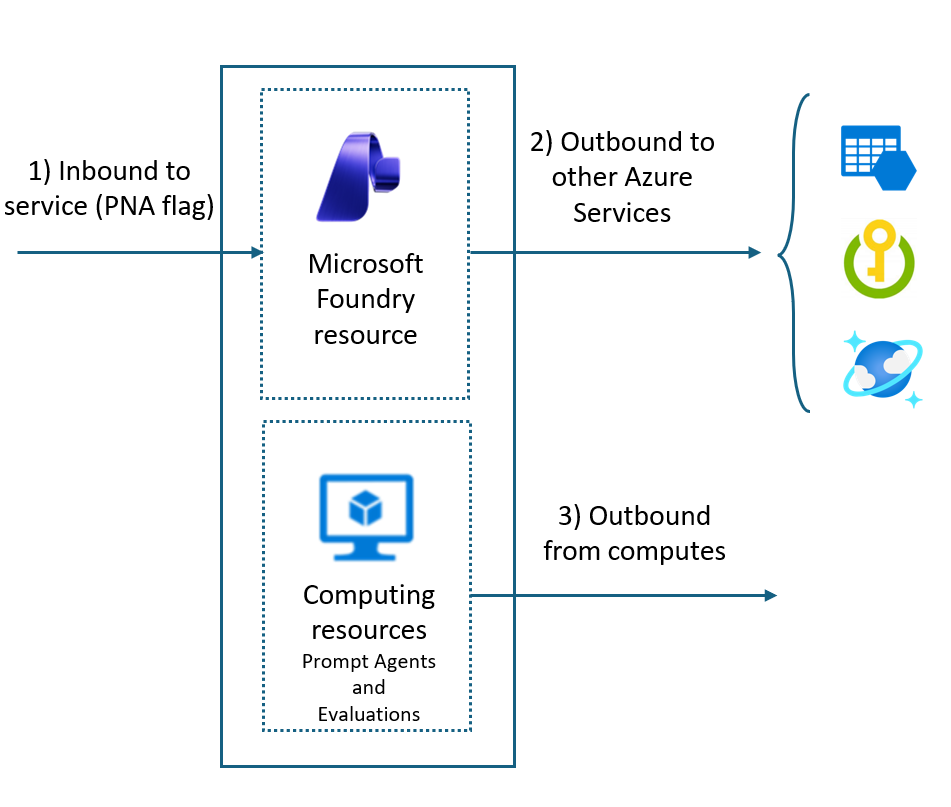
Microsoft has addressed this challenge with new private networking options for Microsoft Foundry Agent Service. Organizations can now choose from multiple networking configurations ranging from public access for rapid development to highly secure deployments that operate within private network boundaries. This flexibility enables teams to align AI deployments with existing security, compliance, and governance requirements while still taking advantage of the power of AI agents.

Networking Options for Microsoft Foundry

Read More
Mon, Jul 20, 2026
Share:   

CMMC for Defense Contractors: A Complete Compliance Roadmap

If your company handles Department of Defense contracts, CMMC for defense contractors isn't optional; it's the price of admission. The Cybersecurity Maturity Model Certification program represents a fundamental shift in how the DoD verifies that its supply chain partners actually protect sensitive information. Gone are the days of self-attestation without consequence. Now, third-party assessors will verify your security controls, and falling short means losing contract eligibility.

Key Insights: CMMC for Defense Contractors

  • Mandatory Requirement: The Cybersecurity Maturity Model Certification (CMMC) is now the price of admission for Department of Defense (DoD) contracts, replacing self-attestation with mandatory third-party assessments (C3PAOs) to verify security controls.
  • Core Standard: CMMC Level 2, which applies to the majority of contractors handling Controlled Unclassified Information (CUI), requires the implementation of all 110 security controls specified in NIST 800-171.
  • Urgent Timeline: CMMC compliance is mandatory for all new DoD solicitations beginning in 2026. Achieving readiness typically takes 12 to 18 months, highlighting the urgency to begin the compliance journey.
Read More
Fri, Jul 10, 2026
Share:   

Azure Content Understanding vs Azure Document Intelligence: One Platform, Less Confusion, More Value

Overview

If you've worked with Microsoft's AI services for document processing over the past few years, you've likely come across both Azure Content Understanding and Azure Document Intelligence. The challenge was often figuring out which service was the right fit for your use case.

Document Intelligence focused on extracting information from forms, invoices, contracts, and other business documents, while Content Understanding expanded into images, audio, video, and broader content analysis. Today, Microsoft is simplifying that story by bringing these capabilities together under Azure Content Understanding.

The Transition to Azure Content Understanding

Read More
Mon, Jul 06, 2026
Share: