
banner-why-daymark.jpg

Cole Tramp's Microsoft Insights

Microsoft Experiences from the Front Line

Web IQ: Extending Microsoft’s IQ Stack to the Open Web

Overview

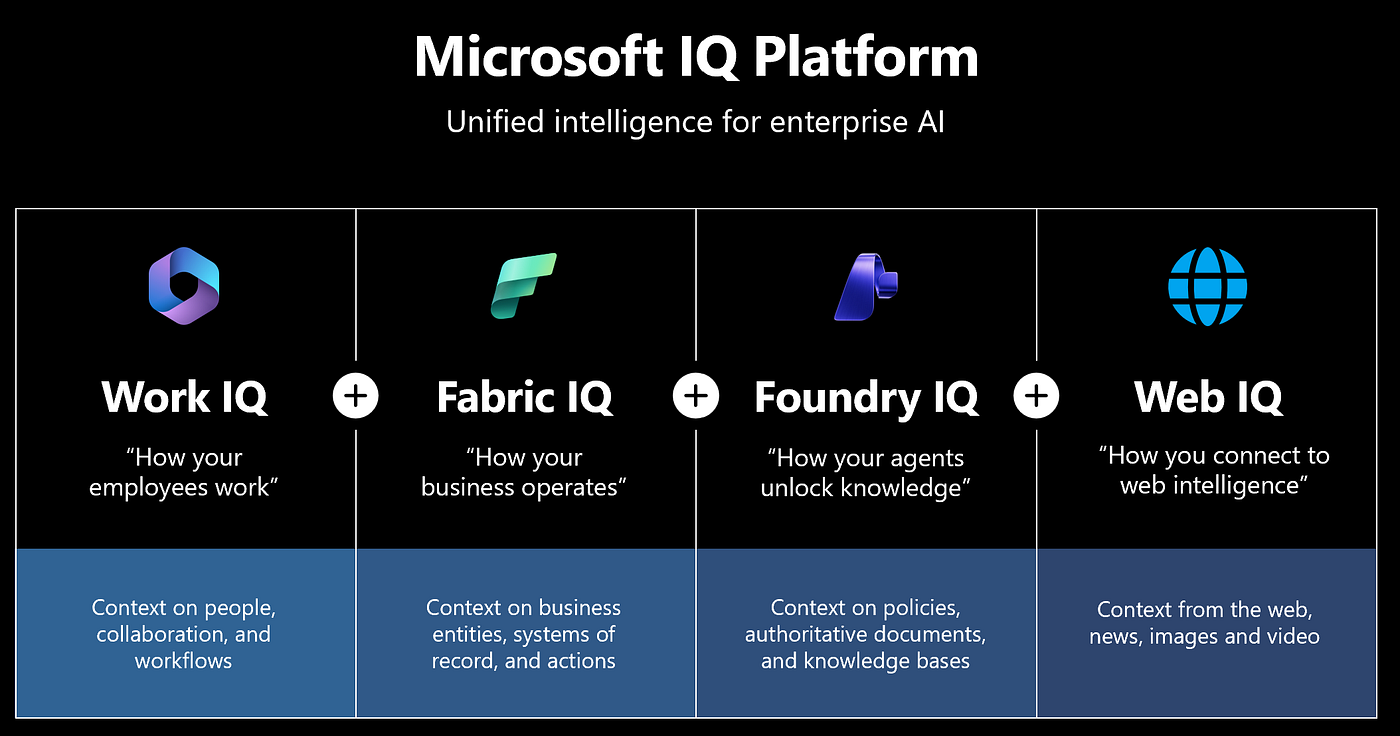
As organizations continue adopting generative AI and AI agents, one of the biggest challenges is making sure those systems are grounded in accurate, current, and trusted information. Large language models are powerful, but they are limited by what they were trained on and may not always have access to the most recent or specialized information needed to answer a business question. Microsoft IQ documentation describes Microsoft IQ as a unified intelligence layer for enterprise AI, bringing together capabilities such as Work IQ, Fabric IQ, Foundry IQ, and now Web IQ.

Web IQ is the newest addition to Microsoft’s growing IQ stack. It is designed to give AI systems and agents access to fresh, real-world information from across the web, including web pages, news, images, and videos. Instead of relying only on model knowledge or static enterprise content, Web IQ helps agents discover, rank, extract, and package relevant web-based evidence so responses can be more timely, grounded, and useful.

What Web IQ Is

Read More
Jun 15, 2026 7:30:00 AM
Share:   

Microsoft’s New AI Models: A Strategic Shift for Enterprise AI

Overview

As organizations continue evaluating generative AI, one of the most important decisions is no longer whether to use AI. It is how to choose the right AI capabilities for the right business outcomes.

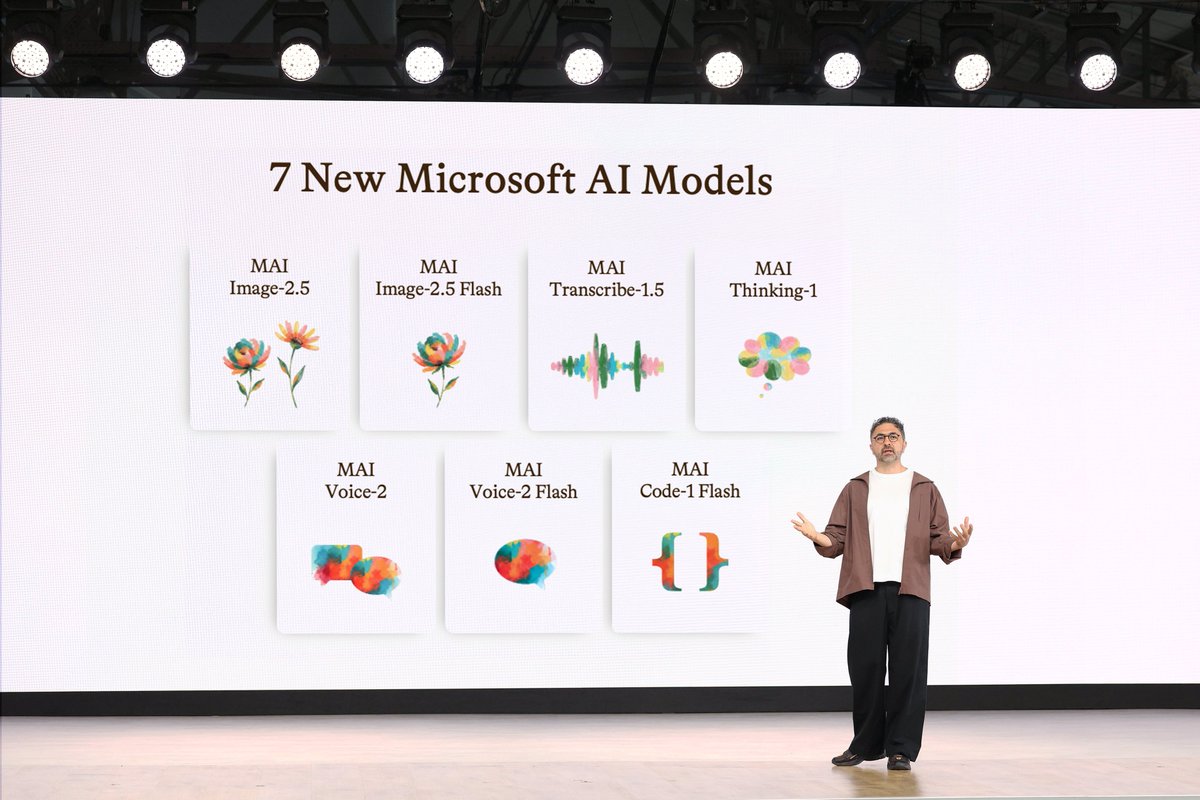
Microsoft’s latest AI model announcements show a clear shift toward a broader, more enterprise-ready AI ecosystem. Through its MAI model family, Microsoft is introducing models focused on reasoning, coding, image generation, transcription, voice, and business-specific customization. These include MAI-Thinking-1, MAI-Code-1-Flash, MAI-Image-2.5, MAI-Transcribe-1.5, MAI-Voice-2, and Microsoft Frontier Tuning.

For executives and decision makers, the key takeaway is simple: AI is moving from a general-purpose tool to a portfolio of specialized capabilities. Organizations will increasingly select different models for different needs based on accuracy, speed, cost, governance, and business value.

Microsoft’s Move Toward AI Independence

Read More
Jun 5, 2026 7:30:01 AM
Share:   

RAG, Prompt Engineering, and Fine-Tuning: Choosing the Right AI Approach for Business Value

Overview

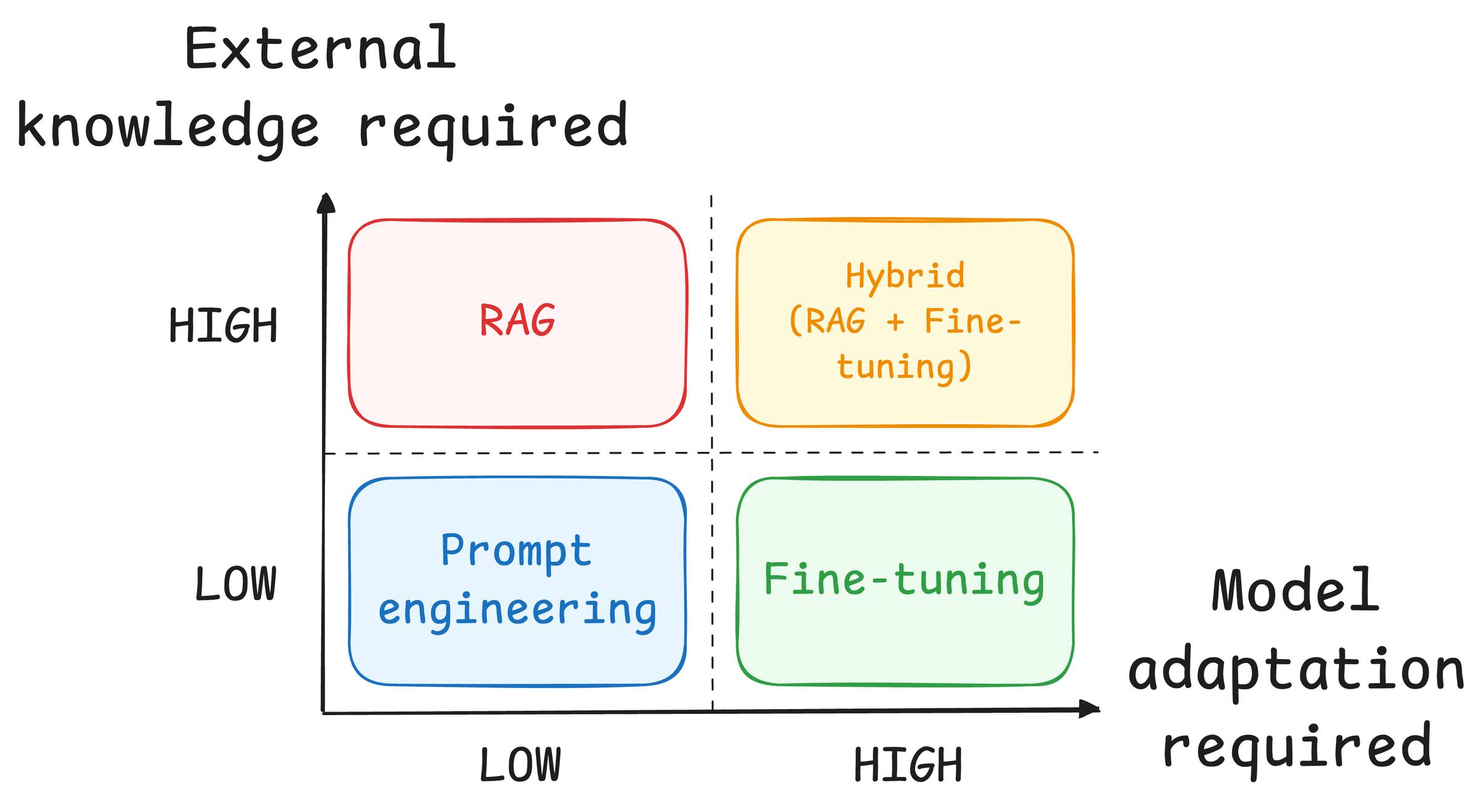
As organizations continue adopting generative AI, one of the most important decisions is understanding how to improve the quality, accuracy, and usefulness of AI outputs. Three common approaches are Retrieval-Augmented Generation, also known as RAG, prompt engineering, and fine-tuning. Each approach helps AI perform better, but they solve different problems and should be used for different business needs.

For executives and decision makers, the goal is not to choose the most technical option. The goal is to choose the approach that best aligns to the business outcome. Some organizations need AI to access current enterprise data. Others need better instructions and more consistent responses. Some need a model that is more deeply customized to a specific domain, workflow, or communication style. Understanding the difference between these approaches helps organizations invest in AI more strategically and avoid unnecessary complexity.

Retrieval-Augmented Generation

Read More
Jun 1, 2026 8:00:00 AM
Share:   

Beyond Out-of-the-Box AI: How Fine-Tuning Drives Business Value


Overview

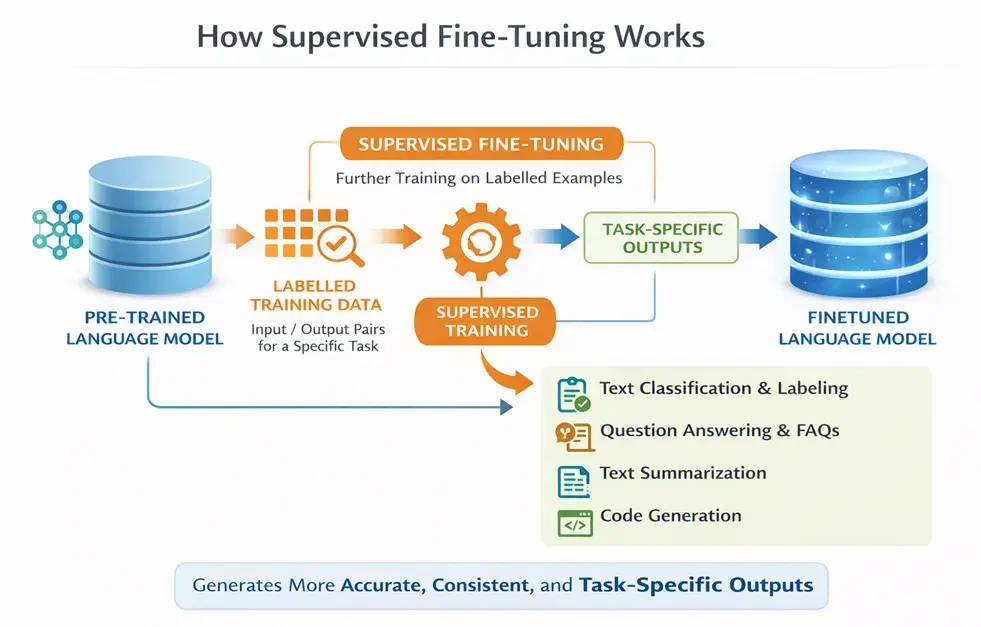
As organizations continue adopting generative AI, many leaders quickly realize that general-purpose AI models are not always optimized for their specific business needs. While large language models are powerful, they are typically trained on broad public datasets and may not fully understand an organization’s terminology, workflows, customer interactions, or industry-specific requirements.

Fine-tuning helps solve this challenge by taking a pre-trained AI model and further adapting it using smaller, targeted datasets that are specific to the business or use case. Instead of building a model entirely from scratch, organizations can refine an existing model to improve accuracy, consistency, tone, and relevance for their environment.

For executives and decision makers, fine-tuning represents a way to move AI from being a general productivity tool into a more business-aware solution. It can help organizations improve customer experiences, streamline operations, create more accurate AI assistants, and better align AI outputs with internal policies and processes.

Common use cases include:

Read More
May 25, 2026 7:30:00 AM
Share:   

Making AI Work for Your Business: The Role of RAG

Overview

As organizations adopt generative AI, one of the biggest challenges is making sure AI responses are accurate, relevant, and grounded in trusted business information. Large language models are powerful, but they do not automatically know your company’s policies, procedures, customer data, product documentation, or most current information.

Retrieval-Augmented Generation, or RAG, helps solve this problem by connecting AI to trusted knowledge sources before it generates a response. Instead of relying only on what the model was trained on, RAG retrieves relevant information, adds it as context, and allows the model to generate a more accurate and business-specific answer.

Why RAG Matters

Read More
May 18, 2026 7:30:00 AM
Share:   

Prompt Engineering: Turning AI Intent into Business Value

Overview

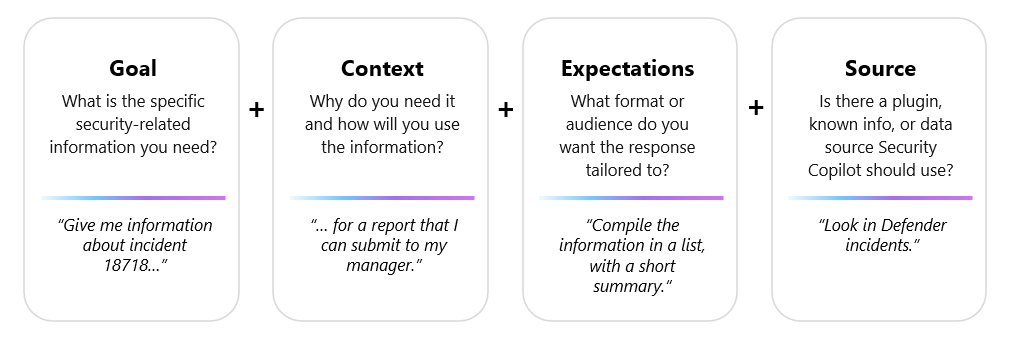
As organizations adopt generative AI, one of the most important skills is learning how to ask better questions. Prompt engineering is the practice of designing and refining prompts so AI models can better understand intent, follow instructions, and produce useful responses.

For executives, prompt engineering should not be viewed as a technical trick. It is a business capability. A well-crafted prompt can improve the quality, consistency, and relevance of AI-generated outputs, whether the use case is summarizing documents, drafting communications, analyzing data, supporting customer service, or helping employees find information faster.

The value comes from giving the model the right mix of instructions, context, examples, and desired output format. In many cases, the difference between a generic response and a useful business answer is not the AI model itself. It is how clearly the request was framed.

Popular Techniques

Read More
May 11, 2026 7:30:00 AM
Share:   

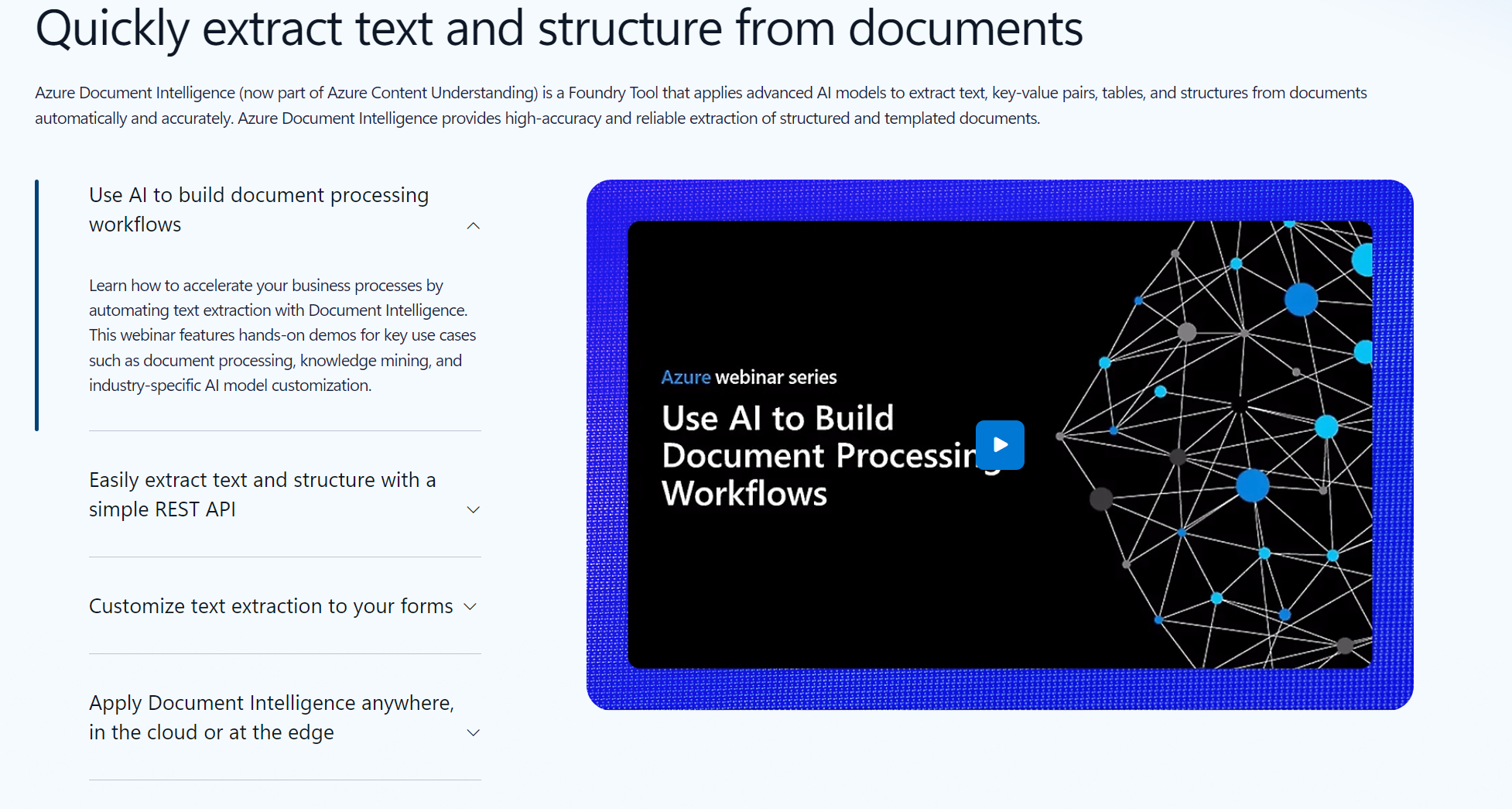
Azure Content Understanding: Unlocking Value from Unstructured Content at Scale

Overview

Most organizations are rich in content but poor in usable insight. Documents, PDFs, images, videos, and audio files hold critical business information, yet much of it is locked away in formats that are difficult to automate, analyze, or govern. This creates operational drag, manual review cycles, and increased costs.

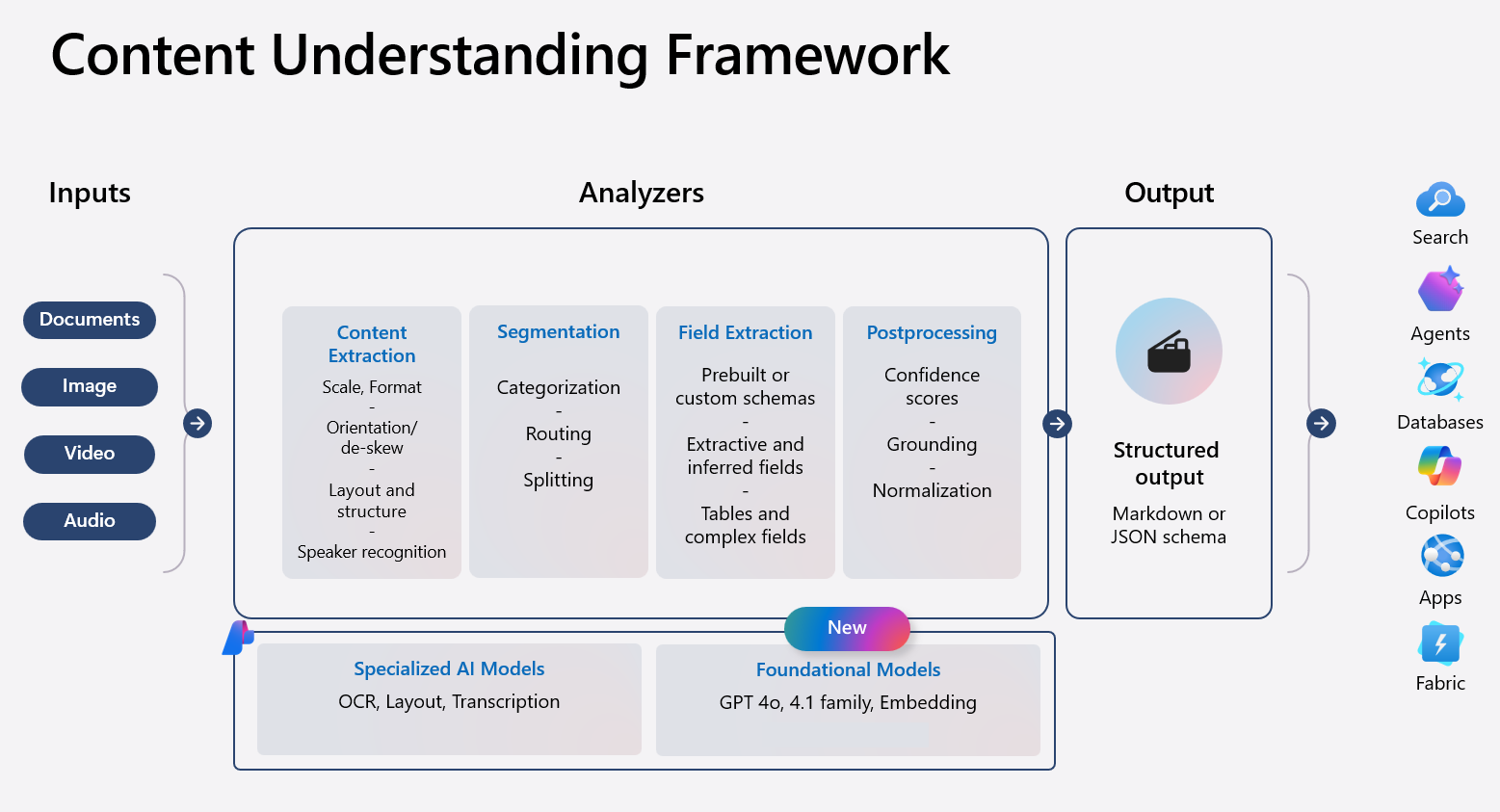
Azure Content Understanding is Microsoft’s AI service designed to change that. It helps organizations consistently analyze and understand unstructured content and turn it into structured, reliable, and reusable information. Instead of fragmented tools and manual effort, Content Understanding provides a unified way to extract meaning from content with accuracy, confidence scores, and governance built in.

For technology leaders, the value is not just AI capabilities, but faster time to value, reduced operational cost, and greater confidence in automation and AI-driven decisions.

Why Use Azure Content Understanding

Read More
Apr 20, 2026 7:15:00 AM
Share:   

AI Ready Enterprise Intelligence with Fabric IQ and Fabric Ontology


Read More
Mar 16, 2026 7:30:00 AM
Share:   

Fabric Data Agents Meet Microsoft 365 Copilot: The Future of Data-Driven Productivity

Overview

Microsoft Fabric has been steadily transforming the data landscape with its unified analytics platform. One of its most powerful components, Fabric Data Agents, enables organizations to automate data workflows, orchestrate pipelines, and manage complex data operations with ease. Now, with these Data Agents being consumed into Microsoft 365 Copilot, the game changes entirely. This integration bridges the gap between enterprise data and everyday productivity tools, making insights more accessible and actionable than ever before.

More than 28,000 customers are already leveraging Microsoft Fabric, including 80% of the Fortune 500. This adoption underscores the trust and scale behind the platform and now, bringing that capability into Copilot amplifies its impact across the enterprise.

Key Points

Read More
Jan 12, 2026 7:30:00 AM
Share:   

Microsoft IQ:  The Rise of Enterprise Intelligence Layers

Overview

At Microsoft Ignite last week the company unveiled a bold vision for enterprise AI: moving beyond isolated copilots and chatbots toward a unified, agentic architecture. Central to this strategy are three interconnected intelligence layers: Work IQ, Fabric IQ, and Foundry IQ, designed to make AI agents context-aware, business-savvy, and governable at scale. These layers form the backbone of Microsoft’s approach to creating “Frontier Firms,” organizations that embed AI into every workflow while maintaining security and compliance.

The challenge Microsoft aims to solve is clear: large language models alone aren’t enough. Enterprises need systems that understand how work happens, interpret business meaning, and retrieve knowledge safely. Work IQ, Fabric IQ, and Foundry IQ deliver exactly that.

Read More
Nov 24, 2025 8:00:03 AM
Share: