
banner-why-daymark.jpg

Cole Tramp's Microsoft Insights

Microsoft Experiences from the Front Line

Azure Commercial vs Azure Government: What’s Different and Why It Matters

Overview

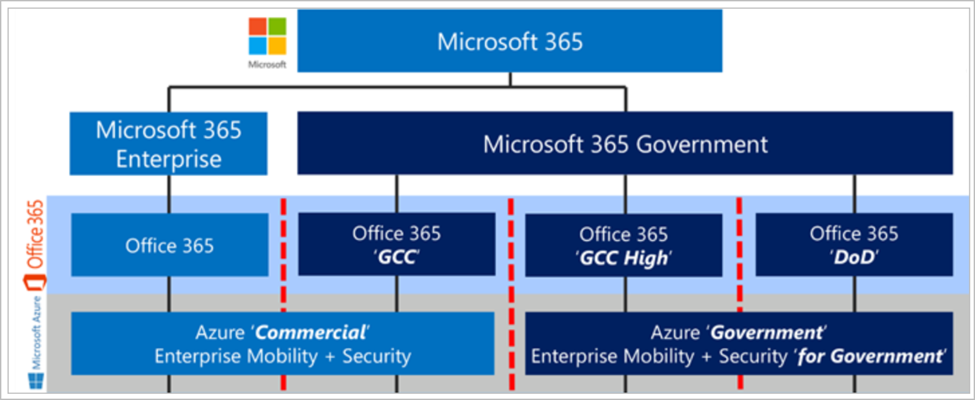
Microsoft operates multiple Azure cloud environments to support a wide range of regulatory, security, and compliance needs. Two of the most important, and most commonly misunderstood, are Azure Commercial (Public) and Azure Government. While both environments are built on the same underlying Azure technology stack, they are designed for fundamentally different use cases, particularly when paired with Microsoft 365 offerings such as Commercial, GCC, GCC High, and DoD.

Azure Commercial, also referred to as global or public Azure, is Microsoft’s standard cloud platform used by enterprises worldwide. It offers the broadest service catalog, the fastest access to new features, and global regional availability. Both Microsoft 365 Commercial tenants and GCC (Government Community Cloud – Moderate) tenants rely on Azure Commercial as their underlying Azure platform.

Azure Government, by contrast, is a separate, sovereign cloud built exclusively for U.S. government agencies and their authorized partners. It operates in physically isolated U.S. datacenters, is managed by screened U.S. persons, and is authorized for high‑impact government workloads. This separation is not merely contractual or logical; it is enforced across the infrastructure, network, and identity layers.

Because of these enforced boundaries, Azure Government is the required Azure platform for organizations using Microsoft 365 GCC High or Microsoft 365 DoD. Both of these Microsoft 365 environments are paired with Microsoft Entra ID in Azure Government, ensuring identity, data residency, and access controls remain within the same sovereign cloud boundary.

Comparison: Azure Commercial vs Azure Government

Read More
Feb 16, 2026 7:30:00 AM
Share:   

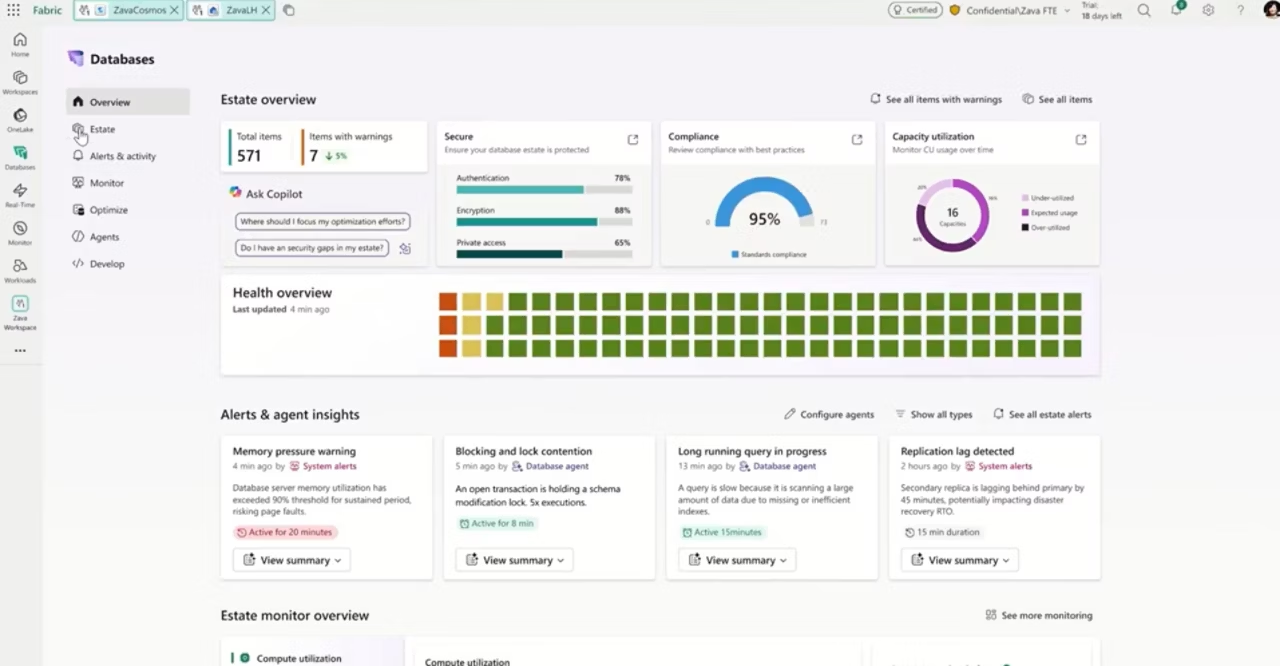
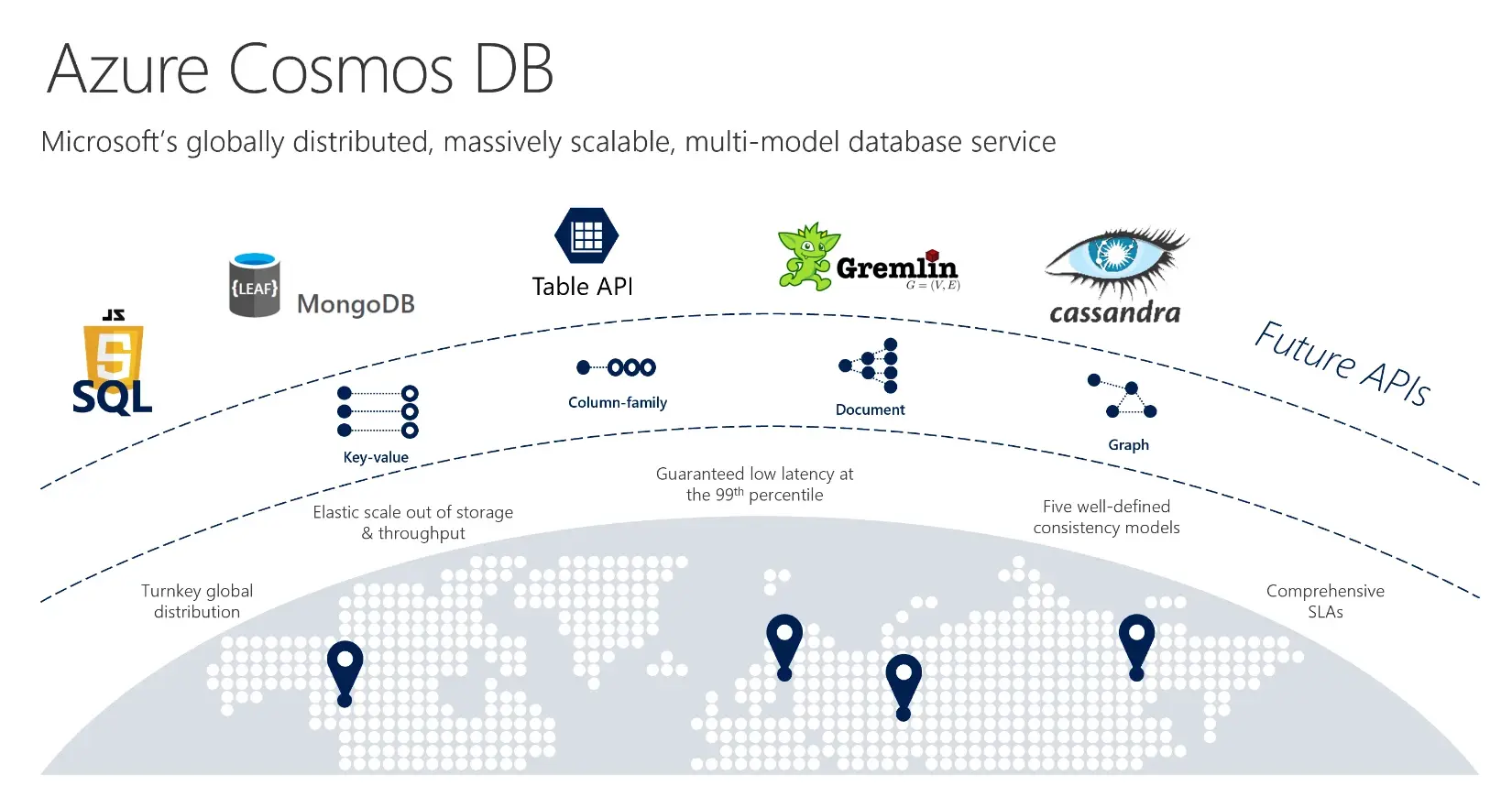
Azure Cosmos DB vs Azure SQL Database: Understanding the Right Fit for Modern Cloud Architectures

Read More
Feb 2, 2026 7:15:00 AM
Share:   

Data Landing Zones: The Foundation of Your Data Architecture

Overview

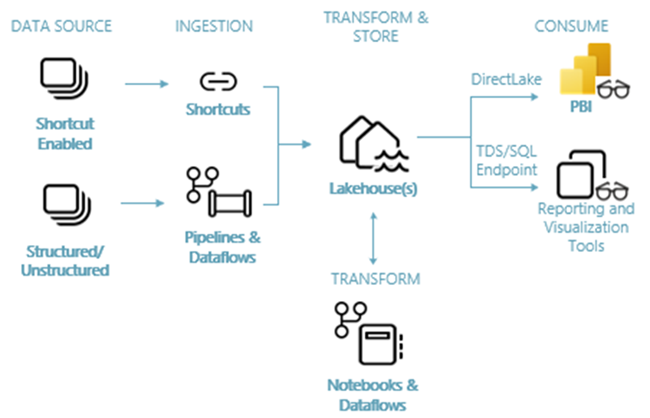
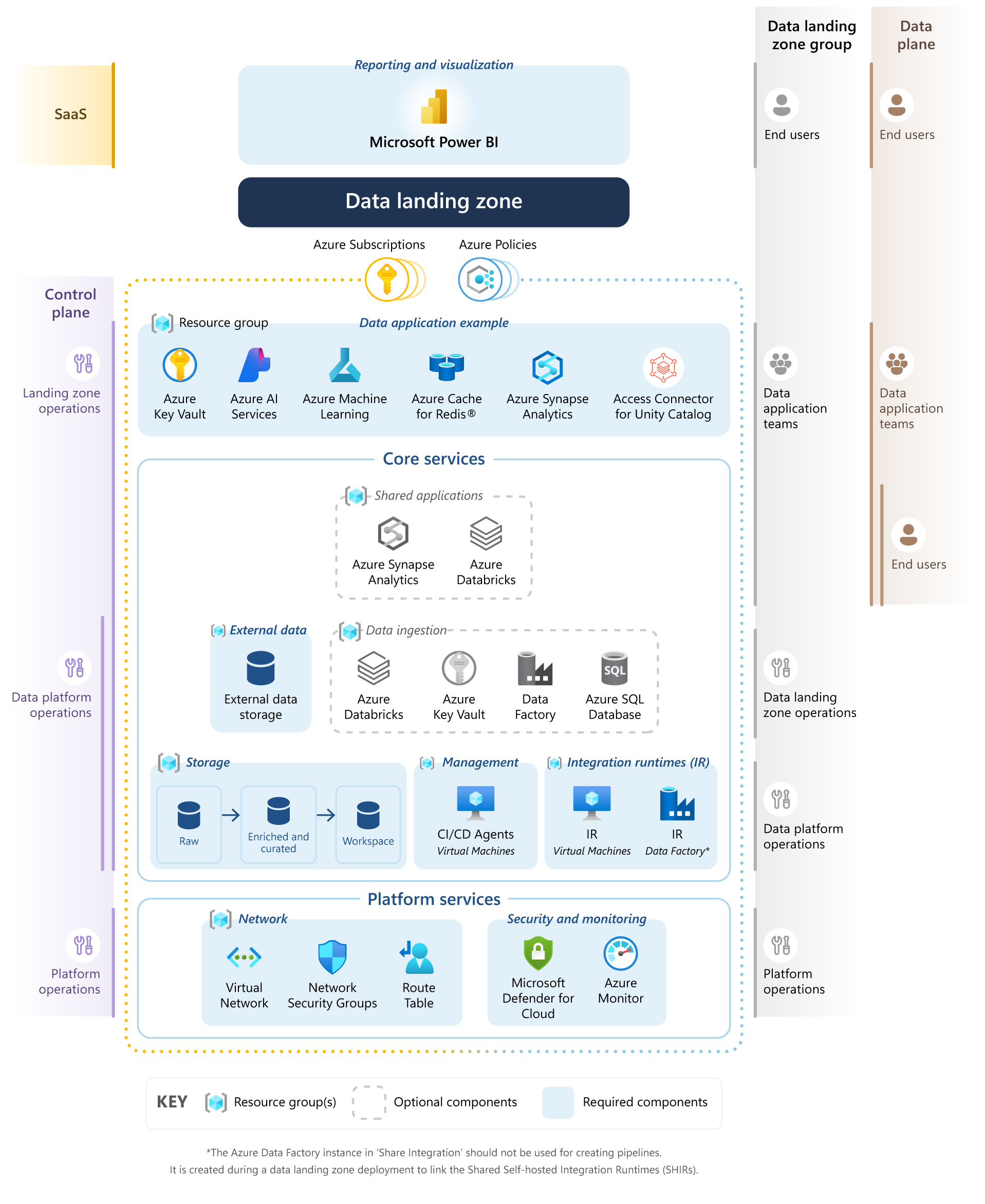
Organizations often rush to ingest data without considering the bigger picture. How that data will be governed, secured, and integrated across the enterprise. This approach leads to fragmented environments, compliance risks, and operational inefficiencies. A data landing zone solves this by providing a structured, strategic foundation for your entire data architecture.

A landing zone is not just a storage bucket or a raw data layer. It is a comprehensive framework that defines governance, networking, security, and operational standards before any data enters your environment.

What Is a Data Landing Zone?

Read More
Jan 5, 2026 9:30:11 AM
Share:   

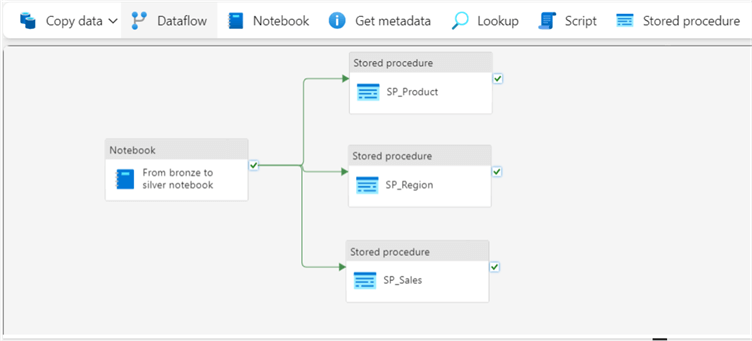
Modernizing Your Data Pipeline: Key Questions to Ask Before You Start

Overview

Modernizing a data pipeline isn’t just about adopting the latest technology, it’s about aligning your architecture with your business goals. Before jumping into advanced platforms or AI-driven solutions, start by asking the right questions. What do you want to achieve with your data? How is your data structured? What governance requirements do you have? These fundamentals will guide you toward a solution that is scalable, secure, and future-ready.


Key Considerations for Modernization

Read More
Dec 22, 2025 7:15:00 AM
Share:   

Azure Stream Analytics vs. Microsoft Fabric Eventstreams

Overview

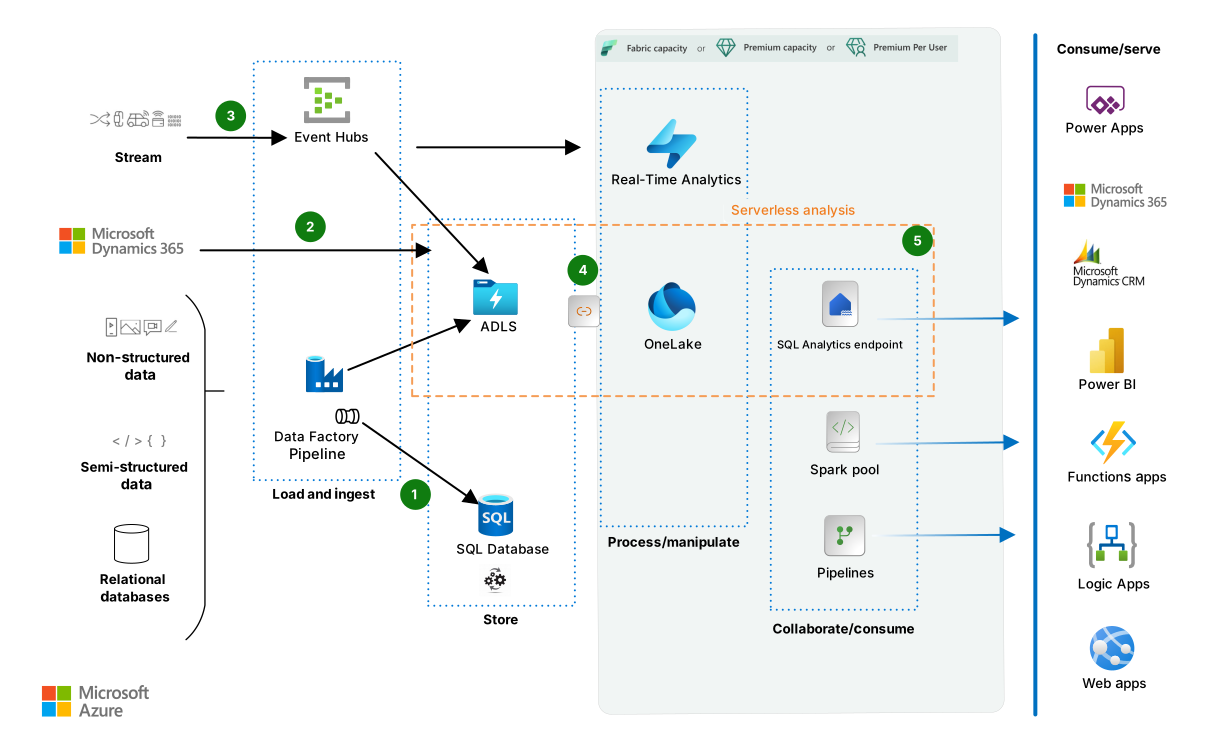
Real-time data processing is no longer optional; it’s essential for businesses that want to act on insights instantly. Microsoft offers two powerful solutions for streaming analytics: Azure Stream Analytics (ASA) and Microsoft Fabric Eventstreams. Both enable organizations to capture, process, and analyze data as it arrives, but they take different approaches to solving the same challenge.

Azure Stream Analytics has been a trusted platform for years, delivering robust, developer-focused capabilities for complex event processing. Meanwhile, Fabric Eventstreams introduces a modern, SaaS-based experience that simplifies real-time data integration and analytics for everyone, not just developers. This shift signals where Microsoft is heading: toward a unified, accessible, and future-ready data ecosystem.

In this article, we’ll break down how each solution works, their key differences, and why Fabric Eventstreams is positioned as the future of real-time analytics.


How It Works: Azure Stream Analytics and Fabric Eventstreams

Read More
Dec 8, 2025 7:00:00 AM
Share: