
banner-why-daymark.jpg

Cole Tramp's Microsoft Insights

Microsoft Experiences from the Front Line

Azure Commercial vs Azure Government: What’s Different and Why It Matters

Overview

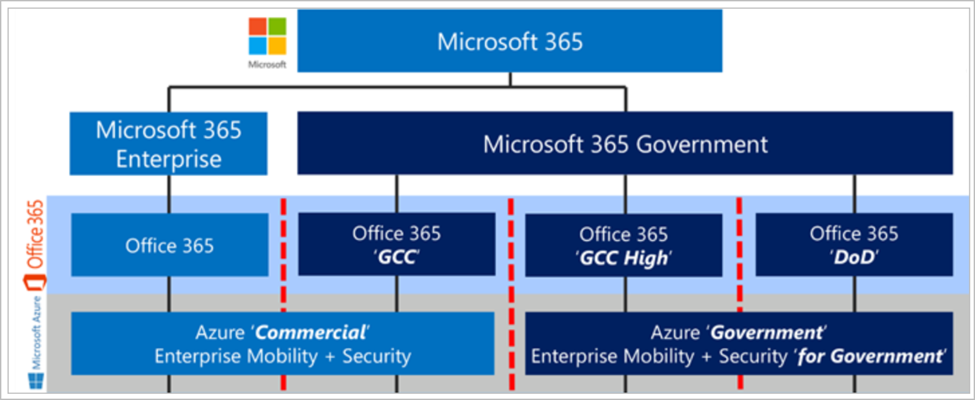
Microsoft operates multiple Azure cloud environments to support a wide range of regulatory, security, and compliance needs. Two of the most important, and most commonly misunderstood, are Azure Commercial (Public) and Azure Government. While both environments are built on the same underlying Azure technology stack, they are designed for fundamentally different use cases, particularly when paired with Microsoft 365 offerings such as Commercial, GCC, GCC High, and DoD.

Azure Commercial, also referred to as global or public Azure, is Microsoft’s standard cloud platform used by enterprises worldwide. It offers the broadest service catalog, the fastest access to new features, and global regional availability. Both Microsoft 365 Commercial tenants and GCC (Government Community Cloud – Moderate) tenants rely on Azure Commercial as their underlying Azure platform.

Azure Government, by contrast, is a separate, sovereign cloud built exclusively for U.S. government agencies and their authorized partners. It operates in physically isolated U.S. datacenters, is managed by screened U.S. persons, and is authorized for high‑impact government workloads. This separation is not merely contractual or logical; it is enforced across the infrastructure, network, and identity layers.

Because of these enforced boundaries, Azure Government is the required Azure platform for organizations using Microsoft 365 GCC High or Microsoft 365 DoD. Both of these Microsoft 365 environments are paired with Microsoft Entra ID in Azure Government, ensuring identity, data residency, and access controls remain within the same sovereign cloud boundary.

Comparison: Azure Commercial vs Azure Government

Read More
Feb 16, 2026 7:30:00 AM
Share:   

From SSIS to Fabric Data Factory: Understanding Microsoft’s Evolving Data Integration Tools

Overview

Organizations modernizing their data ecosystems now manage data flowing from cloud applications, SaaS platforms, on-premises systems, and streaming sources. Traditional ETL tools such as SQL Server Integration Services (SSIS) have long powered enterprise data warehousing and batch integration, offering a robust, code-optional environment for building data workflows. SSIS provides a Windows-based, SQL Server-centric platform for extracting, transforming, and loading data using visual design tools, built-in connectors, and highly customizable task orchestration.

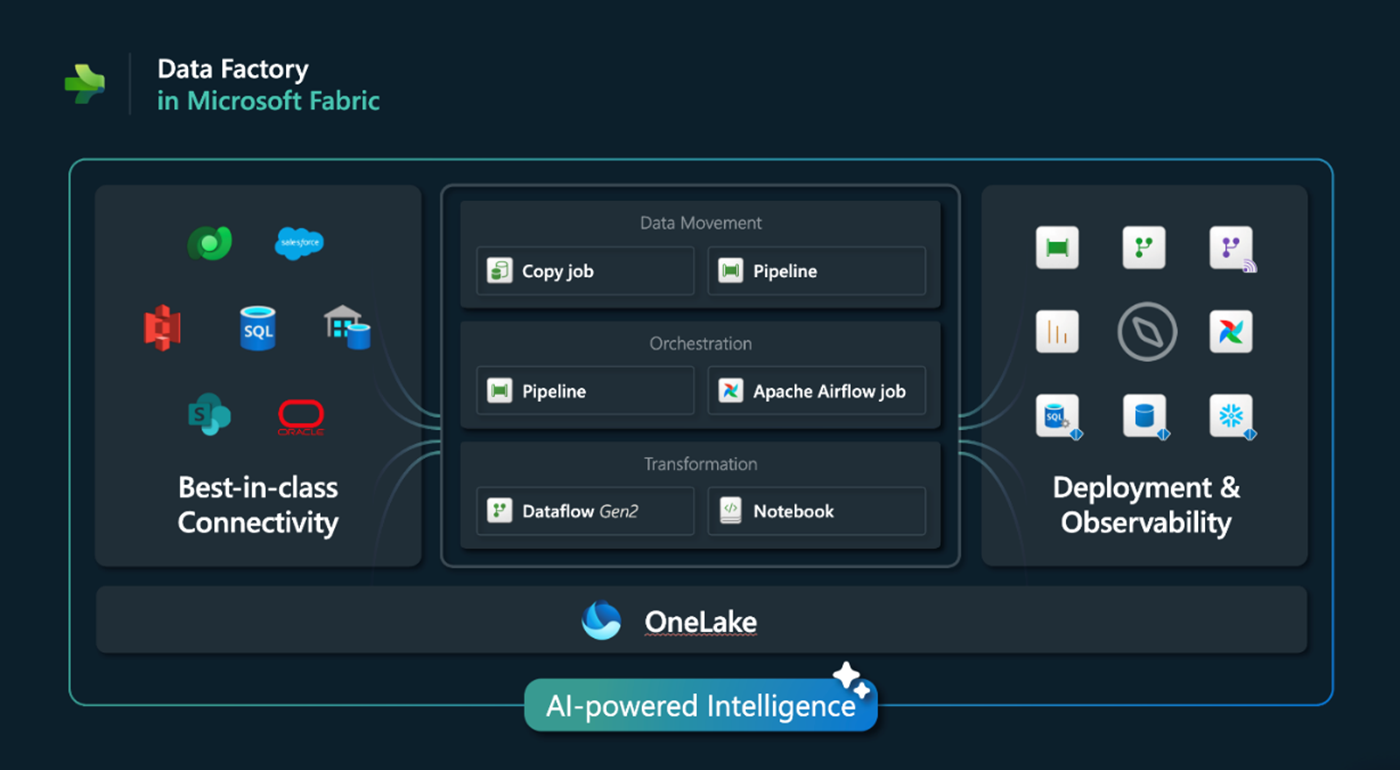
Microsoft Fabric introduces a different approach with Fabric Data Factory, a cloud-scale, fully managed data integration experience built on top of the unified Fabric platform. As the next evolution of Azure Data Factory, Fabric Data Factory offers more than 170 connectors, AI-assisted transformations, hybrid connectivity, and seamless integration with OneLake, making it suitable for modern cloud-first analytics and distributed architectures.

Rather than relying on a single on-premises integration engine, organizations now align workloads to cloud-native services that scale elastically, integrate across multicloud environments, and unify data ingestion with analytics and AI capabilities.

Key Differences Between SSIS and Fabric Data Factory

Read More
Feb 9, 2026 7:15:00 AM
Share:   

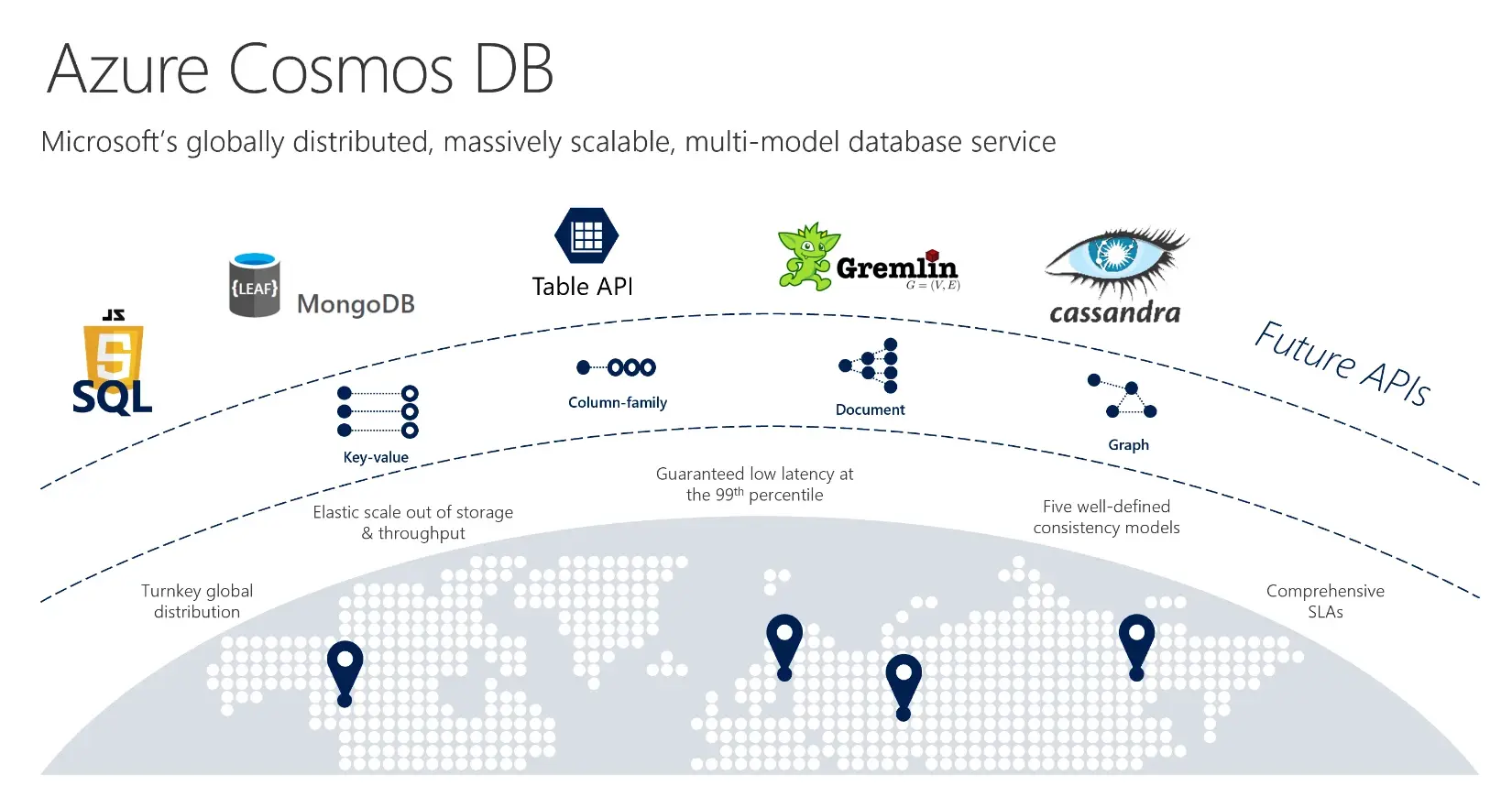
Azure Cosmos DB vs Azure SQL Database: Understanding the Right Fit for Modern Cloud Architectures

Read More
Feb 2, 2026 7:15:00 AM
Share:   

Data Landing Zones: The Foundation of Your Data Architecture

Overview

Organizations often rush to ingest data without considering the bigger picture. How that data will be governed, secured, and integrated across the enterprise. This approach leads to fragmented environments, compliance risks, and operational inefficiencies. A data landing zone solves this by providing a structured, strategic foundation for your entire data architecture.

A landing zone is not just a storage bucket or a raw data layer. It is a comprehensive framework that defines governance, networking, security, and operational standards before any data enters your environment.

What Is a Data Landing Zone?

Read More
Jan 5, 2026 9:30:11 AM
Share:   

Azure Stream Analytics vs. Microsoft Fabric Eventstreams

Overview

Real-time data processing is no longer optional; it’s essential for businesses that want to act on insights instantly. Microsoft offers two powerful solutions for streaming analytics: Azure Stream Analytics (ASA) and Microsoft Fabric Eventstreams. Both enable organizations to capture, process, and analyze data as it arrives, but they take different approaches to solving the same challenge.

Azure Stream Analytics has been a trusted platform for years, delivering robust, developer-focused capabilities for complex event processing. Meanwhile, Fabric Eventstreams introduces a modern, SaaS-based experience that simplifies real-time data integration and analytics for everyone, not just developers. This shift signals where Microsoft is heading: toward a unified, accessible, and future-ready data ecosystem.

In this article, we’ll break down how each solution works, their key differences, and why Fabric Eventstreams is positioned as the future of real-time analytics.


How It Works: Azure Stream Analytics and Fabric Eventstreams

Read More
Dec 8, 2025 7:00:00 AM
Share:   

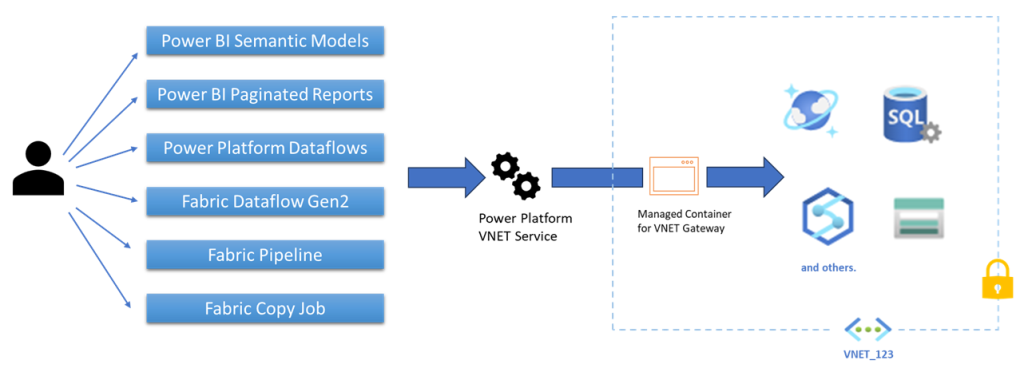
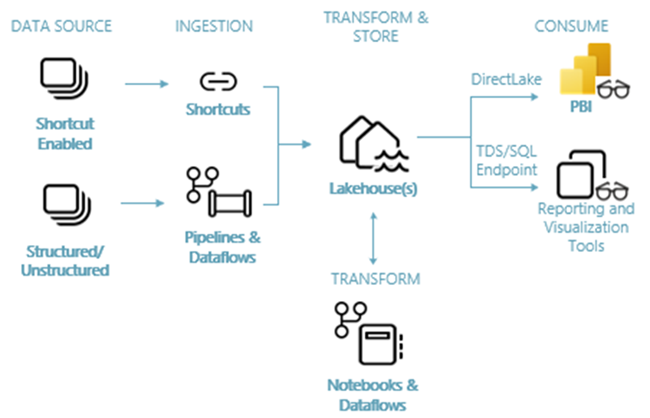
From On-Prem to Cloud: Simplifying Your Data Lakehouse Connection

Overview

Moving to a cloud data lakehouse can feel like a big leap, especially if your data still lives on-premises. The good news? Connecting your existing systems to modern platforms like Microsoft Fabric or Azure Synapse Analytics is easier than you might think. Both solutions are designed to bridge the gap between on-prem and cloud seamlessly, ensuring your data flows securely and efficiently without disrupting your operations.

In this article, we’ll break down how these connections work, why they matter, and the benefits you’ll gain by making the move.

How It Works: Microsoft Fabric and Azure Synapse

Read More
Dec 1, 2025 10:21:37 AM
Share:   

Choosing the Best AI Model for Your Needs: A Strategic Guide

Overview

In today’s rapidly evolving AI landscape, selecting the right model for your application is both a technical and strategic decision. Whether you're building a custom copilot, deploying an agent, or enhancing enterprise workflows, the model you choose will directly impact performance, cost, and user experience. This article walks through a structured approach to model selection, starting with your goals, evaluating the need for multimodality, and leveraging benchmark data from Azure AI Foundry to make informed decisions.

Start with Your Objective

Read More
Oct 20, 2025 9:00:01 AM
Share:   

Azure AI Foundry: Where Brains Meet Bytes

Overview

Welcome to Azure AI Foundry, where artificial intelligence doesn’t just live, it thrives, flexes, and occasionally shows off. If you’ve ever wanted to build apps that talk, see, read, translate, and even judge your content choices, this is your playground. Azure AI Foundry is Microsoft’s curated suite of AI services designed to supercharge your applications with intelligence that is as scalable as it is sophisticated.

Whether you're building a chatbot that flirts with sarcasm or a vision model that spots a cat in a haystack, Azure AI Foundry has the tools to make it happen. It is cloud-native, enterprise-ready, and developer-approved.

The AI Dream Team: Services in Azure AI Foundry

Here’s the lineup of services that make Azure AI Foundry the T-Swift of cloud AI platforms:

Read More
Oct 13, 2025 8:53:53 AM
Share:   

AI Functions in Microsoft Fabric: A Practical Guide

Overview

Artificial intelligence has a reputation for being complicated: long pipelines, endless model tuning, and the occasional meltdown when a library version is not "just right." Microsoft Fabric decided to skip all that drama. Enter AI Functions, a neat bundle of one-liners that let you summarize, classify, analyze, or translate text right inside your Fabric notebooks. Think of it as the IKEA version of AI: assembly required is basically zero, and the Allen wrench is already included.

What AI Functions Can Do

Instead of reinventing the wheel (or worse, downloading someone else’s badly coded one from GitHub), you get prebuilt functions that handle common tasks:

Read More
Sep 8, 2025 7:30:00 AM
Share:   

Building Trust at Scale: Understanding Reliability in Microsoft Fabric


In an era where data powers decision-making, products, and customer experiences, the stakes for analytics platforms have never been higher. Enterprises need more than just performance, they need platforms that are dependable, recoverable, and built to withstand disruption. That’s why Microsoft Fabric, the unified analytics platform for modern data estates, puts reliability at its core.

As detailed in Microsoft’s official reliability guidance, Fabric’s architecture and operational model are designed to deliver continuous service, protect against failure, and ensure business continuity for mission-critical workloads. But what makes this reliability possible?

Built on a Global Foundation: The Azure Backbone

The story of Fabric’s reliability begins with its infrastructure. Microsoft Fabric is built directly on Azure’s global backbone, benefiting from the same cloud infrastructure that powers services like Microsoft 365 and Azure itself. This gives Fabric access to a geographically distributed, enterprise-grade cloud platform with redundant compute, storage, and networking capabilities across continents.

Read More
Jun 30, 2025 2:12:36 PM
Share: